

SEARCH
  • [:en]Recent Posts[:af]Onlangse bydraes

  • [:en]Categories[:af]Kategorieë

  • [:en]Archives[:af]Argiewe

General

[:en]Beat the cyberbully[:af]Wat is kuberafknouery?

Friday, November 11th, 2016

[:en]bully-655659_960_720Cyberbullying is deliberately and repeatedly harming or harassing someone using electronic technology  – this includes devices and equipment such as cell phones, computers, and tablets, as well as communication tools including social media sites, text messages, chat, and websites. 

With the increased use of communication technology, cyberbullying has become increasingly common, especially among teenagers. While the term cyberbullying is used predominantly for children or teenagers, cyberstalking or cyberharassment is when the same behaviour occurs in adults. 

What is cyberbullying or -stalking?

The main goal of this harassment is to threaten a person’s reputation, employment, earnings, safety or try to turn people against them. Cyberbullies aim to intimidate, hurt, control, manipulate, humiliate or falsely discredit someone. Their actions are deliberate, hostile, usually repeated and intended to harm.

Cyberstalkers use public forums, social media or online information sites to launch their attacks on. Online platforms provide anonymity and bullies can remain ignorant of the consequences their attacks have on the victims. According to the National Council on Crime Prevention’s survey, 81% of teenagers thought others cyberbully because it’s funny. 

Cyberbullying can come in various forms. It can be someone repeatedly sending e-mails or text messages even when the person clearly stated they don’t want them. It can include repeated threats, sexual remarks, hate speech, false accusations or ridiculing someone.

Some bullies/stalkers will even go so far as to hacking into a site and changing information or posting false statements to humiliate or discredit a person. They may also publicise a victim’s personal data or create a fake account to use to defame, discredit or humiliate them.

The 8 most common cyberbullying tactics used by teens according to www.wikipedia.org are the following:

  1. Exclusion: Teenagers intentionally exclude others from an online group.
  2. Cyberstalking: Teens will harass others by constantly sending emails, messages, or tagging others in posts they don’t want to be tagged in.
  3. Gossip: Post or send cruel messages that damage another’s reputation, relationships, or confidence.
  4. Outing/Trickery: Trick another teen into revealing secrets or embarrassing information which the cyberbully will then share online.
  5. Harassment: Post or send offensive, insulting, and mean messages repeatedly.
  6. Impersonation: Create fake accounts to exploit another teen’s trust. They may also hack into an account and post or send messages that are damaging to the person’s reputation or relationships.
  7. Cyber Threats: Threaten or imply violent behaviour toward others to make them feel uncomfortable.
  8. Flaming: Fights online that involve hateful or offensive messages that may be posted on various websites, forums, or blogs.

More definitions of cyberbullying can be found on The Centre for Justice and Crime Prevention’s website.

Who are the bullies?

The root of cyberbullying is the same as face-to-face bullying. The only difference is the convenience and anonymity of technology which makes it even easier.

Usually, a bully will know their victim and attack them because of their own prejudice, whether it’s race, religion or sexual orientation. Or merely because they’re “not cool” or they didn’t like something they said on social media. 

It’s important to keep in mind that, in general, a bully’s behaviour stems from their own problems or issues. According to Stopbullying.gov, there are two main groups who harass others. Popular kids or teens bully because they think it will make them more popular or hurting others give them a false perception of power. At the other end of the spectrum are those who bully because they are victims of bullying themselves and it’s their way to lash out. 

How to beat cyberbullying or cyberstalking

In most countries, cyberstalking has the same consequences as physical stalking. South Africa does not have specific legislation dealing with cyberbullying. The victims of cyberbullying, therefore, have to rely on criminal law and/or civil law. More information on these laws can be found on The Centre for Justice and Crime Prevention’s website.

For this reason, it’s important to deal with cyberbullying as soon as it rears its head. The video below provides some valuable hints in this regard.


[SOURCES: http://www.bullying.co.uk/cyberbullying/, http://www.deletecyberbullying.org/why-do-people-cyberbully/, http://www.cyberbullying.org.za/south-african-law.html]

 

[:af]Kuberafknouery (cyberbullying) kan gedefinieer word as ʼn opsetlike en aanhoudende poging om iemand leed aan te doen of te teister deur middel van elektroniese tegnologie. Dit sluit toestelle en toerusting soos selfone, rekenaars en tablette in, sowel as kommunikasiemiddele soos sosiale media webwerwe, teksboodskappe, kletsprogramme en webwerwe.bully-655659_960_720

Kuberafknouery, veral onder tieners, het toegeneem met die dienooreenkomstige toename in gebruik van tegnologie. Terwyl kuberafknouery gebruik word vir kinders en tieners, is die term vir dieselfde optrede by volwassenes kuberagtervolging (cyberstalking) of kuberteistering (cyberharassment)

Wat is kuberafknouery of -teistering?

Teistering se hoofdoel is om iemand se reputasie, veiligheid, werk of inkomste skade aan te doen of om ander mense teen hom/haar te laat draai. Die kuberafknouer wil die slagoffer intimideer, seermaak, beheer, manipuleer, verkleineer of valslik diskrediteer. Hulle aksies is herhalend, opsetlik, vyandig en bedoel om skade aan te doen.

Kuberboelies gebruik openbare forums, sosiale media of aanlyn inligtingswebwerwe. Aanlyn platforms gee aan boelies die mantel van anonimiteit en sodoende kan hulle maklik die gevolge van hul aksies verontagsaam, vermy of ignoreer.  Volgens ʼn Amerikaanse opname deur die National Council on Crime Prevention glo 81% van tieners dat kuberafknouery plaasvind omdat dit grappig is. A.g.v. die anonimiteit sien of besef die afknouers nooit die skade wat hulle aanrig nie. 

Kuberafknouery kom in verskeie vorme voor. Dit kan iemand wees wat aanhoudend ongevraagde e-posse of teksboodskappe aan iemand stuur. Dit kan ook herhaalde dreigemente, seksuele opmerkings, haatspraak, valse beskuldigings of spottery wees. 

Sommige teisteraars sal selfs so ver gaan as om by ʼn webwerf in te breek en iemand se inligting te verander of vals stellings te plaas. Hulle kan ook die persoon se persoonlike inligting plaas of ʼn vals rekening skep om die persoon te verneder of in die skande te bring.

Volgens www.wikipedia.org  is die 8 algemeenste kuberafknou-taktieke wat tieners gebruik die volgende:

  1. Uitsluiting: Tieners sluit opsetlik ander tieners uit van ʼn aanlyngroep.
  2. Kuberafknouing: Tieners kan ander onophoudelik lastig val deur e-posse of boodskappe te stuur of ander in fotos te merk waarin hulle nie gemerk wil wees nie.
  3. Skinderpraatjies: Plaas of stuur onnodige wrede boodskappe wat iemand se reputasie, verhoudings of selfvertroue leed aan kan doen.  
  4. Blootstelling/Bedrieëry: Oortuig ander tieners om geheime of inligting wat hulle in die verleentheid kan bring te onthul en die inligting dan aanlyn met ander te deel. 
  5. Teistering: Plaas of stuur aanhoudend beledigende, aanvallende en gemene boodskappe.
  6. Nabootsing: Skep vervalsde rekening om ʼn ander tiener se vertroue te wen. Hulle kan ook by rekeninge inbreek en as die rekeningeienaar boodskappe plaas of stuur wat skade aan die persoon se reputasie en verhoudings kan veroorsaak.
  7. Kuberdreigemente: Dreig of insinueer gewelddadige optrede teenoor ander om hulle ongemaklik te laat voel.
  8. Vlampos: Aanlyn argumente wat uit hatige en aanvallende boodskappe bestaan en op verskeie webwerwe, forums en blogs geplaas word.

Verdere definisies van kuberafknouery kan gekry word op die plaaslike Centre for Justice and Crime Prevention se webwerf.

Wie is die afknouers?

Die rede vir kuberafknouery is dieselfde as fisiese afknouery. Die enigste verskil is dat die anonimiteit en gerief van tegnologie dit selfs nog makliker maak. 

Iemand wat afknou ken gewoonlik sy teiken en val hulle aan as gevolg van sy eie vooroordele – of dit ras, geloof of seksuele oriëntasie is. Dit kan ook net wees omdat hy dink iemand is nie “cool” genoeg nie of het iets op sosiale media gesê waarmee hy nie saamstem nie. 

Dis belangrik om in ag te neem dat ʼn afknouer se optrede gewoonlik voortspruit uit sy eie probleme of kwessies. Volgens Stopbullying.gov is daar hoofsaaklik twee hoofgroepe wat geneig is om ander te teister. Populêre kinders of tieners wat glo deur ander seer te maak sal hulle selfs meer populêr en invloedryk word en aan die ander spektrum diegene wat afknou omdat hulle self afgeknou word en ʼn uitlaatklep vir hulle frustrasie soek.

Hoe om kuberafknouery of -teistering te hanteer

In die meeste lande het kuberteistering dieselfde nagevolge as fisiese teistering. Suid-Afrika het nie spesifieke wette wat fokus op kuberteistering nie. Slagoffers moet hulle dus wend tot kriminele en/of siviele reg. Meer inligting oor die bestaande wette kan gevind word op die Centre for Justice and Crime Prevention se webwerf.

Gevolglik is dit belangrik om kuberafknouery te hanteer sodra dit kopuitsteek. Die video onder gee waardevolle inligting in dié verband. 

[BRONNE: http://www.bullying.co.uk/cyberbullying/, http://www.deletecyberbullying.org/why-do-people-cyberbully/, http://www.cyberbullying.org.za/south-african-law.html]
[:en]Conservation by drone[:af]Bewaring via hommeltuig

Thursday, October 27th, 2016

[:en]You’ve seen the videos on YouTube – sweeping, breathtaking aerial shots capturing locations inaccessible to most people. On Wednesday Rhino Africa released a video compiled with drone footage which shows the beauty of Africa and the results are truly breathtaking. 

We can now gain access to previously remote areas with drones or UAV’s (unmanned aerial vehicles) controlled by remote or with the guidance of software and GPS. These flying robots were named “drones” because they resemble the monotonous sound a male bee makes.

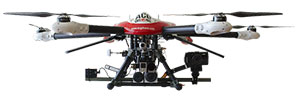
droneInitially, drones weren’t used for recreational activities. The first drones were utilised in the military, but today civilian drones outnumber their military counterparts. It is estimated that, by 2015, over a million has been sold. Currently, they are used  in commercial, scientific, recreational, agricultural, and other applications, such as policing and surveillance, aerial photography and conservation. 

The idea of using UAVs for conservation was conceived by Lian Pin Koh, a conservation ecologist and Serge Wich, a primate biologist in January 2011. It soon came to light that the available UAVs were too expensive for use in developing countries where they were most needed. The only solution for Lian and Serge was to build their own more affordable version, which ended up costing less than $2,000.

A year later, they tested their prototype in North Sumatra, Indonesia where the UAV flew over 30 missions and collected thousands of high-quality aerial images and video footage of forests and wildlife. (https://conservationdrones.org/our-story/)

As their research became known, the term “Conservation Drone” was coined and by 2012 the International Anti-Poaching Foundation was using UAV’s.

https://www.youtube.com/watch?v=FIrgjCNcDBI

Worldwide organisations began using drones for conservation. In 2012 the WWF (World Wide Fund for Nature) started using UAVs in Chitwan National Park, Nepal to monitor rhinos, tigers and elephants, but also to deter poachers. In the same year, Google donated $5 million to the WWF to purchase conservation drones to fly over parts of Africa and Asia in an attempt to help monitor and catch wildlife poachers.

Closer to home UAVs have been used successfully in the Kruger National Park against rhino poachers. In 2012 a UAV was loaned to the South African National Parks authority by its manufacturer, Denel Dynamics. 

“In March 2014, the Howard G. Buffett Foundation announced a 255 million rand donation for a three-year initiative in partnership with Nature Conservation Trust, South African National Parks (SANParks) and a South African public benefit organisation (PBO) to combat poaching in Kruger National Park and test new anti-poaching technology. SANParks is testing the use of drones and this year, the Foundation added a further 37.7 million rand to buy a helicopter for use in anti-poaching operations.” (https://www.savetherhino.org)

In Namibia, the Sea Shepherd Conservation Society used this technology to monitor the annual seal cull and also to combat rhino poaching in Etosha National Park. 

Other uses for UAVs include aerial crop surveys, aerial photography, search and rescue, inspection of power lines and pipelines, counting wildlife, delivering medical supplies to otherwise inaccessible regions, and detection of illegal hunting, reconnaissance operations, cooperative environment monitoring, border patrol missions, convoy protection, forest fire detection and monitoring,  surveillance, coordinating humanitarian aid, plume tracking, land surveying, fire and large-accident investigation, landslide measurement, illegal landfill detection, the construction industry and crowd monitoring. (Wikipedia

[SOURCES: https://en.wikipedia.org/wiki/Unmanned_aerial_vehicle, https://conservationdrones.org/our-story/, https://en.wikipedia.org/wiki/Conservation_Drones, https://www.savetherhino.org/rhino_info/thorny_issues/the_use_of_drones_in_rhino_conservation]

[:af]Jy het al die videos op YouTube gesien – uitgestrekte, asemrowende lugskote van areas wat feitlik ontoeganklik is vir die meeste mense. Rhino Africa het Woensdag`n video vrygestel wat met behulp van `n hommeltuig verfilm is. Die video wys die skoonheid van Afrika en die resultate is asemrowend.

Deesdae kan ons toegang kry tot feitlik enige afgeleë area met behulp van`n hommeltuig of UAV (unmanned aerial vehicle) met afstandbeheer, sagteware of ʼn GPS-stelsel. Hierdie vlieënde robotte word “hommeltuie” genoem omdat hulle klink soos die eentonige gedreun van ʼn manlike by.  

Aanvanklik is hommeltuie nie net as blote tydverdryf gebruik nie. Die eerste toestelle is aangewend deur die weermag, maar vandag is siviele hommeltuie meer algemeen as hul militêre eweknieë. Na beraming is daar teen 2015 reeds meer as ʼn miljoen verkoop en word hulle gebruik vir kommersiële, wetenskaplike, ontspannings- en landboudoeleindes, sowel as ander funksies soos polisiëring, toesig, lugfotografie en natuurbewaring.

droneDie idee om UAV’s te gebruik vir natuurbewaring is in Januarie 2011 deur Lian Pin Koh, ʼn natuurbewaringsekoloog en Serge Wich, ʼn primaatbioloog bedink. Dit was egter gou duidelik dat die beskikbare UAV’s te duur was vir ontwikkelende lande waar hulle die nodigste was. Lian en Serge se enigste oplossing was om hul eie, meer bekostigbare weergawe te bou. Die prototipe se koste het uitgewerk op minder as $2,000.

ʼn Jaar later is die prototipe getoets in Noord-Sumatra, Indonesië waar dit meer as 30 ritte onderneem het en duisende hoë-resolusie lugfoto’s en videomateriaal van woude en die natuurlewe versamel het. (https://conservationdrones.org/our-story/)

Na mate Lian en Serge se navorsing bekend geraak het, is die term “Conservation Drone” gebore en teen 2012 is UAV’s ook deur die International Anti-Poaching Foundation.

(https://www.youtube.com/watch?v=FIrgjCNcDBI)

Hommeltuie word reeds wêreldwyd vir natuurbewaring gebruik. Die WWF (World Wide Fund for Nature) het dit in 2012 in die Chitwan Nasionale Park in Nepal, begin gebruik om renosters, tiere en olifante te monitor, maar ook om te dien as ʼn afskrikmiddel vir stropery. In dieselfde jaar Google $5 vir die WWF gegee om hommeltuie aan te koop om gedeeltes van Afrika en Asië te monitor en stropery te bekamp.

Ook in Suid-Afrika is UAV’s suksesvol in die Kruger Nasionale Park teen renosterstropers gebruik nadat Denel Dynamics, ʼn vervaardiger van die tegnologie, dit aan die Suid-Afrikaanse Nasionale Parkeraad geleen het vir natuurbewaring. 

In Maart 2014 het die Howard G. Buffett Stigting aangekondig dat hulle 255 miljoen rand skenk vir ʼn driejaar inisiatief, in samewerking met die Natuurbewaringstrust, Suid-Afrikaanse Nasionale Parkeraad (SANParks) en ʼn Suid-Afrikaanse openbare winsorganisasie (PBO). Hierdie inisiatief se doel is om stropery in die Kruger Nasionale Park te beveg en nuwe anti-stropery tegnologie te toets. SANParke toets tans die hommeltuie en vanjaar het die Stigting ʼn verdere 37.7 miljoen gegee vir die aankoop van ʼn helikopter vir gebruik teen stropery bedrywighede. (https://www.savetherhino.org)

In Namibië is hierdie tegnologie deur die Sea Shepherd Conservation Society gebruik om die jaarlikse uitdunproses van robbe te monitor en ook om rensosterstropery in die Etosha Nasionale Park te bekamp. 

Ander gebruike vir UAV’s sluit in: opnames van gewasse, lugfotografie, reddingspogings, inspeksie van kraglyne en pypleidings, tel van wild, aflewering van mediese voorrade in andersins ontoeganklik gebiede, die opsporing van persone wat onwettige jag, verkenningsoperasies, koöperatiewe omgewings monitor, grenspatrollie-missies, beskerming van konvooie, bosbrandbeheer, toesig, humanitêre hulp, landmeting, vuur en ongelukke ondersoek, meting van grondverskuiwings, opsporing van onwettige stortingsterreine, die konstruksiebedryf en ook skare beheer.

[SOURCES: https://en.wikipedia.org/wiki/Unmanned_aerial_vehicle, https://conservationdrones.org/our-story/, https://en.wikipedia.org/wiki/Conservation_Drones, https://www.savetherhino.org/rhino_info/thorny_issues/the_use_of_drones_in_rhino_conservation]

[:en]Maties app launched [:af]Maties toepassing bekendgestel

Friday, August 26th, 2016

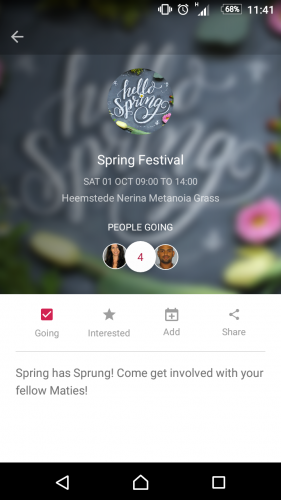
[:en]screenshot1The brand new Maties App was launched in the Neelsie last Wednesday. But before you experience serious FOMO, we have all the inside info for you.
The Maties app is a collaboration between Information Technology and Maties Sport after they envisioned a single place for staff and students to engage with hosted activities on campus. 

Among the benefits are the promotion of an active lifestyle and getting students and staff involved with competition-based leaderboards. Users of the application will be able to follow their favourite Maties sports team to see the latest results, fixtures and news. Students will be able to keep track of their cluster or residence’s placing on campus-wide competitions.

The goal was to provide a mobile application that can serve as the initial base for further development together with stakeholders and at the same time offer immediate value to the user and university alike. In the long term you will see a larger variety of events as they get listed on the Maties App. Users will be able to get a personalised list of events they are attending and interested in – just add it to a phone’s calendar or share it with friends. 

As with other social media platforms, you will be able to see how many people are also attending your event or activity. You will be able to check in at events by means of a QR code. No need for a paper ticket, just check-in at events using your app.

On the other side of the user spectrum, event organisers can disseminate important events and get students involved and active. At the same time, organisers will get an idea of how many people are interested and who have indicated that they will attend an event. No complicated form is needed since the user is already logged in and we know who is attending the event.

Additionally, users of the app will receive notifications of event information and changes, as well as campus-wide communique. Any message can be sent directly to users’ phones via the app and it can be targeted to a specific event, or to demographic (e.g. staff, students, or everyone) This function will be especially helpful during emergency situations when it is necessary to notify staff and students of important information and updates. 

Curious to see what it looks like? Watch the video here or read the article on the SU homepage.

The Maties App can be downloaded for free from the Google Play store. Please let us know what you think and how we can make it better?

[:af]Die blinknuwe screenshot1Maties App is verlede Woensdag in die Neelsie bekendgestel, maar moenie FOMO ontwikkel omdat jy dit misgeloop het nie. Hier is alles wat jy moet weet.

Die Maties App is ʼn gesamentlike poging tussen Informasietegnologie en Maties Sport. Dit het ontstaan met die idee om ʼn enkele platform te skep waar personeel en studente interaksies kan hê oor verskeie aktiwiteite wat op kampus gebied word.

Die toepassing poog om ʼn aktiewe lewenstyl te bevorder en personeel en studente betrokke te kry by kompetisie-gebaseerde leierborde. Gebruikers kan hulle gunsteling Maties sportspanne volg en ook die nuutste resultate, nuus en speelbeurte sien. Studente kan weer tred hou met hul groepe (clusters) of koshuis se plasing in kampuswye kompetisies.

Die doel was om ʼn mobiele toepassing daar te stel wat kan dien as ʼn aanvanklike basis vir verdere ontwikkeling saam met belanghebbendes. Terselfdertyd moes dit dadelik ewe veel waarde bied aan die gebruiker en die universiteit. 

ʼn Groter verskeidenheid aktiwiteite en geleenthede sal mettertyd op die Maties App gelys word. Tans kan gebruikers reeds ʼn verpersoonlikte lys van gebeure waarin hulle belangstel en gaan bywoon, sien. Dit kan dan bygevoeg word op jou foon se kalender en met vriende gedeel word.

Soos met ander sosiale media platforms, kan jy sien hoeveel mense ʼn geleentheid of aktiwiteit bywoon. Jy kan selfs aanmeld (check-in) by geleenthede sonder ʼn papierkaartjie deur ʼn QR-kode te laat skandeer.

Aan die ander kant van die spektrum kan organiseerders van geleenthede maklik inligting oor belangrike geleenthede versprei en vinniger en meer effektief studente aktief en betrokke kry. Organiseerders kan ʼn idee kry van die hoeveel geïnteresseerdes en wie aangedui het dat hulle die geleentheid wil bywoon. Dis nie nodig om ʼn ingewikkelde vorm te gebruik nie. Die gebruiker is reeds aangeteken en sy details is sigbaar.

ʼn Ekstra voordeel van die Maties App is dat gebruikers maklik nuwe, opgedateerde inligting oor gebeure, sowel as kampuswye kommunikasie, kan ontvang. Enige boodskap kan direk na gebruikers se fone gestuur word en dit kan geteiken word tot ʼn spesifieke geleentheid of demografiese groep (byvoorbeeld studente, personeel of almal) Hierdie funksie is besonder handig gedurende noodsituasies wanneer inligting vinnig by studente en personeel moet uitkom. 

Is jy nuuskierig om te sien hoe dit lyk? Kyk gerus die video hier of lees die artikel op die US-tuisblad.

Die Maties App kan gratis afgelaai word by die Google Play store. Laat weet ons wat jy daarvan dink en wat ons kan doen om dit te verbeter?


[:en]Science in your backyard [:af]Wetenskap in jou agterplaas

Friday, August 5th, 2016

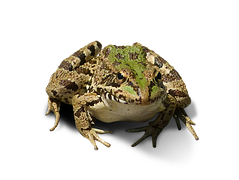
[:en]frog-1445779__180Everyone can’t have a career in science, but nothing prevents you from taking part in various projects and contributing to important research. Thanks to technology, being a citizen scientist couldn’t be easier.

Citizen science, also known as crowd science, crowd-sourced science, civic science, volunteer monitoring or networked science, is scientific research conducted,  by amateur or nonprofessional scientists. (www.wikipedia.org)

Joseph M. Hulbert elaborates further in his article, Citizen science tools available for ecological research in South Africa:

“Ordinary citizens can participate in research from their home computer, in their own gardens, or in the great outdoors – without any expertise in the field. Many citizen science projects and opportunities exist in South Africa – ranging from monitoring bird migrations to identifying and mapping distributions of fungi.” 

One of the most popular fields where citizen science is practised is amateur astrology, but others include butterfly counts, ornithology, citizen oceanography and even art history. In South Africa CS projects include the Stream Assessment Scoring System (miniSASS) and at the University of Pretoria members of the public are helping researchers to identify Phytophthora (“plant destroyers”) species present in the fynbos. The main purpose of the research is to survey plant disease in the Fynbos Biome. By finding the locations where the disease is spotted, faster action can be taken and the conservation of Fynbos will be benefitted. Read more about the project here.

The University of Cape Town’s Animal Demography Unit (ADU) is responsible for many local citizen science projects. The unit has created various Virtual Museums, including the MammalMAP website where you can submit photos and add to a growing database of the habits and distribution of mammals in South Africa. If you’re not into mammals, there are virtual museums for anything from frogs and butterflies to starfish and sea urchins. 

Joseph M. Hulbert mentions two other local projects, OrchidMap and Aliens of the Cape Peninsula. OrchidMap is also one of the projects hosted by Virtual Museum and consists of nearly 3000 geo-referenced records for orchids being added since September 2014. Members of the public can upload images and locations of orchids on the database. Aliens of the Cape Peninsula attempts to locate new alien plants and their distribution on the Cape Peninsula.

If you are interested in being a citizen scientist and putting your photography and science skills to good use, here are a few tools you can use – 

Ispot is a South African National Biodiversity Institute (SANBI) initiative. Since its launch in June 2012, it has contributed to the nearly 400 000 international observations of 30 000 different species reported by mid-2014.

WhatSpecies was started by a parent who wanted to help her children identify insects and plants. Subsequently, the website’s layout is friendly and accessible for a younger audience and it tries to engage youth on various social media platforms.

Virtual Museum, as mentioned earlier, is hosted by the Animal Demography Unit at the University of Cape Town. There are 17 different projects that citizens can participate in hosted on Virtual Museum alone.

The Cape Town Citizen website  also contains ample information on becoming a citizen scientist. Also watch the SciShow’s video on Citizen Science on YouTube.

[:af]frog-1445779__180Almal kan nie ʼn loopbaan in die wetenskappe hê nie, maar niks keer jou om deel te wees van navorsingsprojekte en ʼn bydrae tot belangrike navorsing te maak nie. Te danke aan tegnologie kan enigiemand nou ʼn wetenskaplike wees.

Burgerlike wetenskap, ook genoem massawetenskap, massa-gewerfde wetenskap, siviele wetenskap, vrywillige monitering of netwerk-wetenskap, is wetenskaplike navorsing wat uitgevoer word deur ʼn amateur of nie-professionele wetenskaplike. (www.wikipedia.org)

Joseph M. Hulbert noem in sy artikel, Citizen science tools available for ecological research in South Africa, dat gewone landsburgers, sonder enige ervaring, kan deelneem aan navorsing met behulp van hul eie rekenaars, in hul eie tuine of in die buitewêreld. Daar is vele geleenthede en projekte in Suid-Afrika vir amateur-wetenskaplikes – van die monitering van voël-migrasiepatrone tot die identifikasie en kartering van swamme. 

Amateur-sterrekkunde is een van die mees algemene vakgebiede waar nie-professionele wetenskap beoefen word. Ander sluit skoenlappertellings, voëlkunde, oseanografie en selfs kunsgeskiedenis in. Projekte in Suid-Afrika sluit die Stream Assessment Scoring System (miniSASS) in en by die Universiteit van Pretoria help die publiek navorsers om Phytophthora (plantvernietigende elemente) in Fynbos op te spoor en sodoende plantsiektes spesifiek tot Fynbos, te ondersoek. Lees hier meer oor die projek.

Die Universiteit van Kaapstad se Diere-demografie Eenheid (ADU) is verantwoordelik vir talle plaaslike gemeenskapswetenskapsprojekte. Die eenheid het reeds verskeie virtuele museums geskep, insluitende die MammalMAP webwerf waar jy fotos kan laai op die groeiende databasis van verspreiding en gewoontes van soogdiere in Suid-Afrika. As soogdiere jou nie interesseer nie, is daar enigiets van paddas en skoenlappers tot seesterre en seekastaiings in hierdie virtuele museums.

Joseph M. Hulbert verwys na twee ander plaaslike projekte, OrchidMap en Aliens of the Cape Peninsula. OrchidMap word sedert September 2014 op die Universiteit van Kaapstad se virtuele museum gehuisves. Lede van die publiek kan fotos en ligging van plante op die databasis, met bykans 3000 orgideë rekords met geo-etikette, laai. Aliens of the Cape Peninsula se doel is weer om om nuwe indringerplante en waar hulle versprei op die Kaapse Skiereiland, op te spoor.

Indien jy ʼn wetenskaplike in jou gemeenskap wil wees, hier is ʼn paar hulpmiddele om jou aan die gang te kry: 

Ispot,  ʼn South African National Biodiversity Institute (SANBI) inisiatief, is in Junie 2012 begin. Feitlik 400 000 internasionale observasies van 30 000 verskillende spesies is teen middel-2014 aangeteken. 

WhatSpecies is die breinkind van ʼn ouer wat haar kinders wou help om plante en insekte te identifiseer. Die webwerf se uitleg is gevolglik gebruikersvriendelik en toeganklik vir ʼn jonger leser en poog om, deur middel van sosiale media platforms, jongmense te betrek.

Soos vroeër genoem, word Virtual Museum bestuur deur die ADU by UK. Daar is reeds 17 verskillende projekte op die platform waarby die publiek by betrokke kan raak.

Die Cape Town Citizen webwerf  is ook propvol informasie en instruksies vir aspirerende wetenskaplikes. Kyk gerus ook The SciShow se video oor gemeenskapswetenskap op YouTube.

[:en]Free upgrades [:af]Gratis opgraderings

Friday, August 5th, 2016

[:en]From 5 to 30 September we will be upgrading outdated staff PCs to Windows 10 – for FREE. The only requirement is that your computer’s specifications are adequate and that it’s capable of handling the operating system.

We will be upgrading the PCs in batches to make sure everyone gets a chance and the process runs as smoothly as possible. Subsequently, the upgrades will be split into two groups, one group in the first half of September and the second in the last part of September. 

To ensure that your PC is one of those that receive a tech makeover, keep an eye out for our next Bits & Bytes newsletter in two weeks’ time, where we will list the information for the first group.

[:af]Vanaf 5 tot 30 September sal ons personeel se rekenaars met verouderde sagteware GRATIS opgradeer na Windows 10. Die enigste voorvereiste is dat jou rekenaar sterk genoeg is om die nuwe bedryfstelsel te kan hanteer. 

Die opgraderingsproses sal in groepe hanteer word om seker te maak elkeen kry `n kans en ook sodat alles vlot en vinnig verloop. Gevolglik sal die opgraderings verdeel word in twee groepe; die eerste groep sal die eerste helfte van September hanteer word en die tweede in die laaste helfte.