Day: March 7, 2024

SUNDigital Maps as primary sources for research

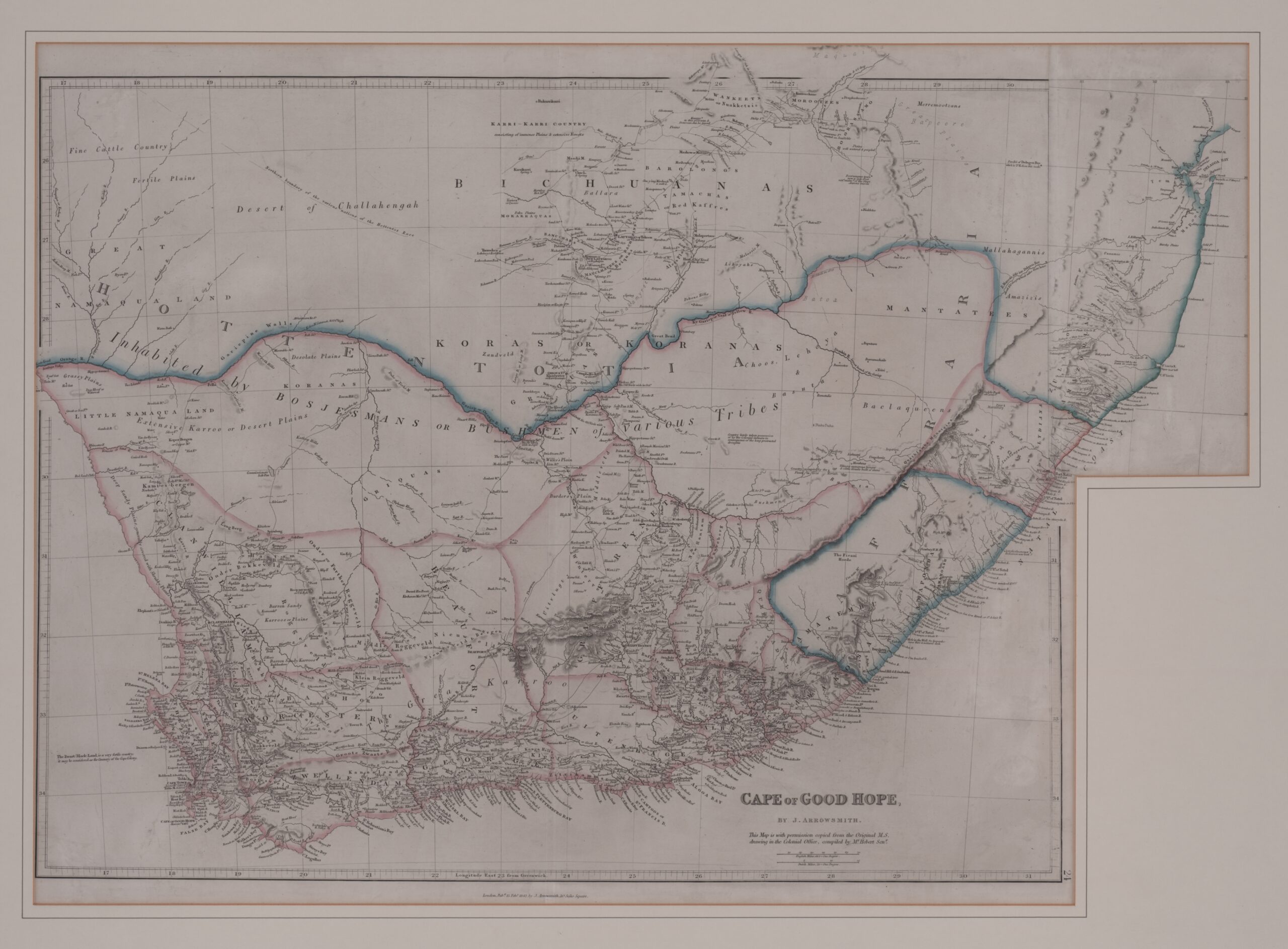
Using maps as a primary source can be very helpful in research.  Different kinds of maps can be used to do research on different subject areas and topics. Your subject area and topic will determine the kind of map that will be most applicable to support your research questions.

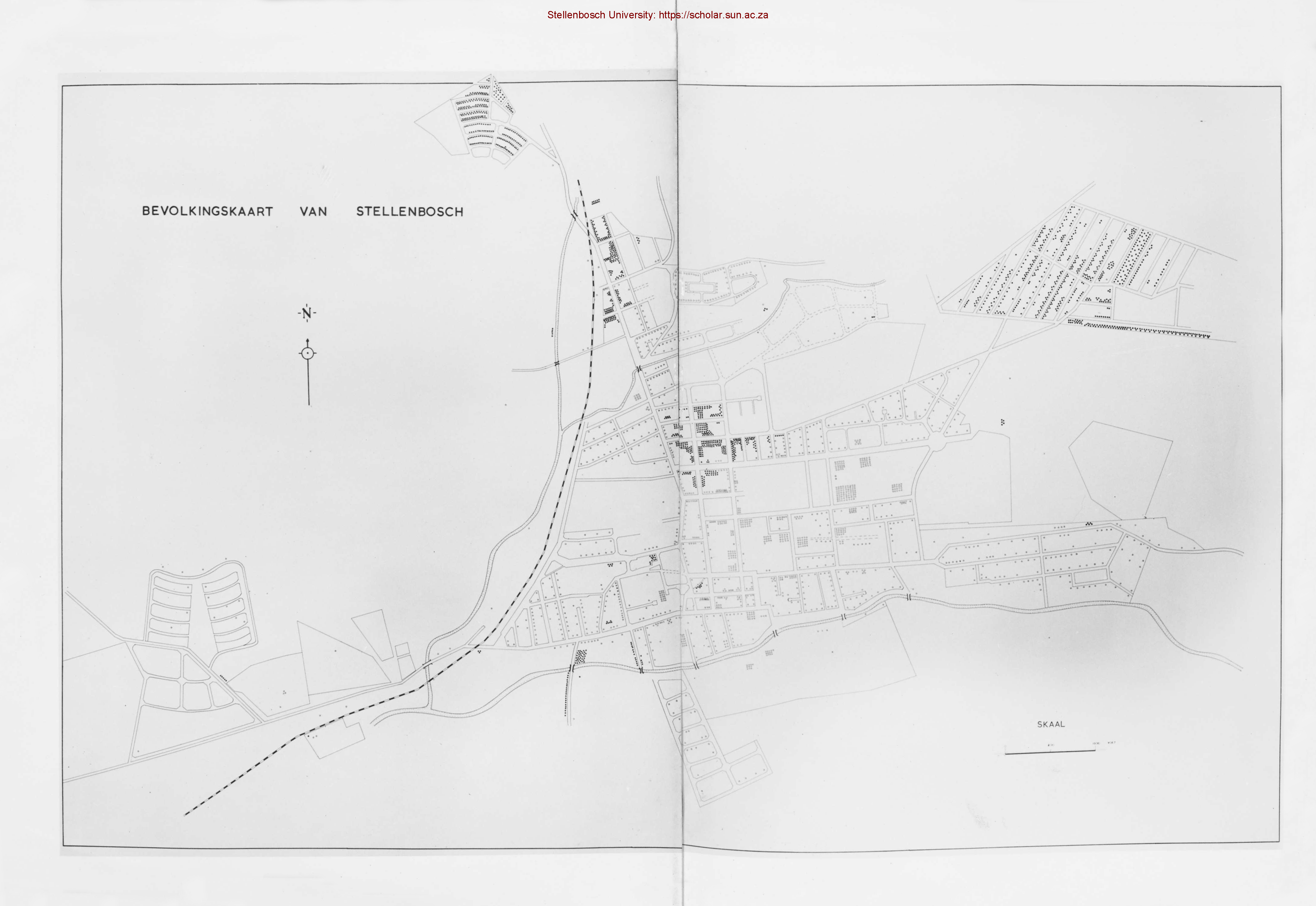
Maps can provide insight into a specific place at a particular time, and they can also be used in comparison, to see how spaces are changing over time.  It can show interesting information about soil and geology, weather and climate, vegetation, infrastructure, political, cultural, and economic activities.  Maps are most useful as a visual tool to highlight different aspects of your research.

Researchers must also keep in mind that during the early centuries, historical maps haven’t always been accurate in their representations of spaces.  This could be due to a lack of information or other reasons. By studying the differences between maps and exploring why the discrepancies exist, we can learn about history.

The Stellenbosch University Library and Information service, Special Collections has a collection of old and rare maps focusing on Africa. You can visit the Hugh Solomon Map Collection.  Historical maps and atlases are also housed in Special Collections and interesting maps form part of some of the unique manuscript collections. The history of Stellenbosch can be discovered by using the research on early landowners in the Stellenbosch District and research on population statistics.

For more information on the usage of historical maps during your research, contact us at  Special Collections library guide.

Author: Marieta Buys


SUNScholarData earns prestigious CoreTrustSeal

A significant achievement for Stellenbosch University is that the institution has been granted the prestigious CoreTrustSeal, signaling a commitment to excellence in managing and curating research data. This certification holds immense importance in data repositories, underlining the university’s dedication to ensuring the integrity, sustainability, and accessibility of its valuable research data. Stellenbosch University launched SUNScholarData, an open-access data repository enabling SU researchers to share their datasets, and in 2023, this repository received the CoreTrustSeal certification.

The Significance of CoreTrustSeal:

The CoreTrustSeal is a globally recognised certification that signifies a data repository’s adherence to international standards and best practices in data management. Awarded by the CoreTrustSeal Board, this certification serves as a mark of trust and reliability for users, funders, and stakeholders involved in the research community. Let’s explore the fundamental elements of CoreTrustSeal and understand why it is a significant accomplishment for Stellenbosch University.

  • Compliance with International Standards: Achieving CoreTrustSeal demonstrates that Stellenbosch University’s data repository aligns with internationally accepted data management and curation standards. This includes compliance with the FAIR principles (Findable, Accessible, Interoperable, and Reusable), ensuring that data is handled to maximise its usability and impact.
  • Data Integrity and Quality: The certification emphasises the university’s commitment to maintaining the integrity and quality of research data. By implementing robust data management practices, Stellenbosch University ensures that its data remains accurate, reliable, and free from errors, bolstering the credibility of the research produced.
  • Long-Term Accessibility and Preservation: CoreTrustSeal requires institutions to demonstrate their commitment to the long-term accessibility and preservation of research data. Stellenbosch University’s certification assures researchers and collaborators that their valuable data will be securely stored and accessible for future use, contributing to the longevity of scholarly contributions.
  • Enhanced Collaboration and Interoperability: The certification promotes interoperability by encouraging repositories to adopt standardised practices. Stellenbosch University’s CoreTrustSeal achievement facilitates seamless collaboration with other research institutions, as data can be easily shared, reused, and integrated across diverse projects, fostering a more interconnected and collaborative research environment.
  • Increased Trust and Credibility: CoreTrustSeal serves as a stamp of approval, enhancing the trustworthiness and credibility of Stellenbosch University’s data repository. Researchers, funding agencies, and the broader academic community can have confidence in the quality and reliability of the data hosted by the university, promoting transparency and accountability.

Stellenbosch University’s attainment of the CoreTrustSeal is a commendable milestone that reflects the institution’s commitment to excellence in research data management. This certification showcases the university’s dedication to international standards and positions it as a trusted and reliable hub for valuable research data. As Stellenbosch University continues to advance in the realm of research and innovation, the CoreTrustSeal serves as a beacon, guiding the way toward a future where data is not just generated but is responsibly managed, preserved, and shared for the benefit of the global research community.


Impact of transformational agreements in scholarly publishing

Scholarly publishing is a growing concept in academic institutions and academic libraries are at the forefront of ensuring that authors get support related to scholarly communications. Wikipedia refers to scholarly communications as the “creation, publication, dissemination and discovery of academic research, primarily in peer-reviewed journals and books”. One of the foremost developments in scholarly communications in the past few years has been open access (OA), a concept that refers to making research freely available online without any access restrictions. Since the beginning of the 21st century, libraries have been involved in advocacy and promotion of OA to scholarly research to broaden access, increase visibility and deepen the impact of scholarly research. However, these efforts have been hampered by the existence of steep Article Processing Charges (APCs) and other restrictions in scholarly journals.

This prompted concerned bodies like the South African National Library and Information Consortium (SANLiC), a South African non-profit consortium of mainly libraries of academic institutions that aims to negotiate the procurement of and securing access to information resources on behalf of its members to look at strategies to bring publishers on board in promoting OA. This resulted in some concessions from the publishers wherein they allow researchers from SANLiC member institutions to publish OA in selected hybrid journals without or only paying partial APCs. In South Africa, these agreements are termed the Transformational Agreements (TAs).

TAs are a shining light of change in the ever-changing world of academic publication, offering scholarly communication a more accessible, visible, and broader reach to a wide range of researchers. This year marks the third year that the first TAs were signed and, in this article, we look at the impact these have had on scholarly publishing at the University.

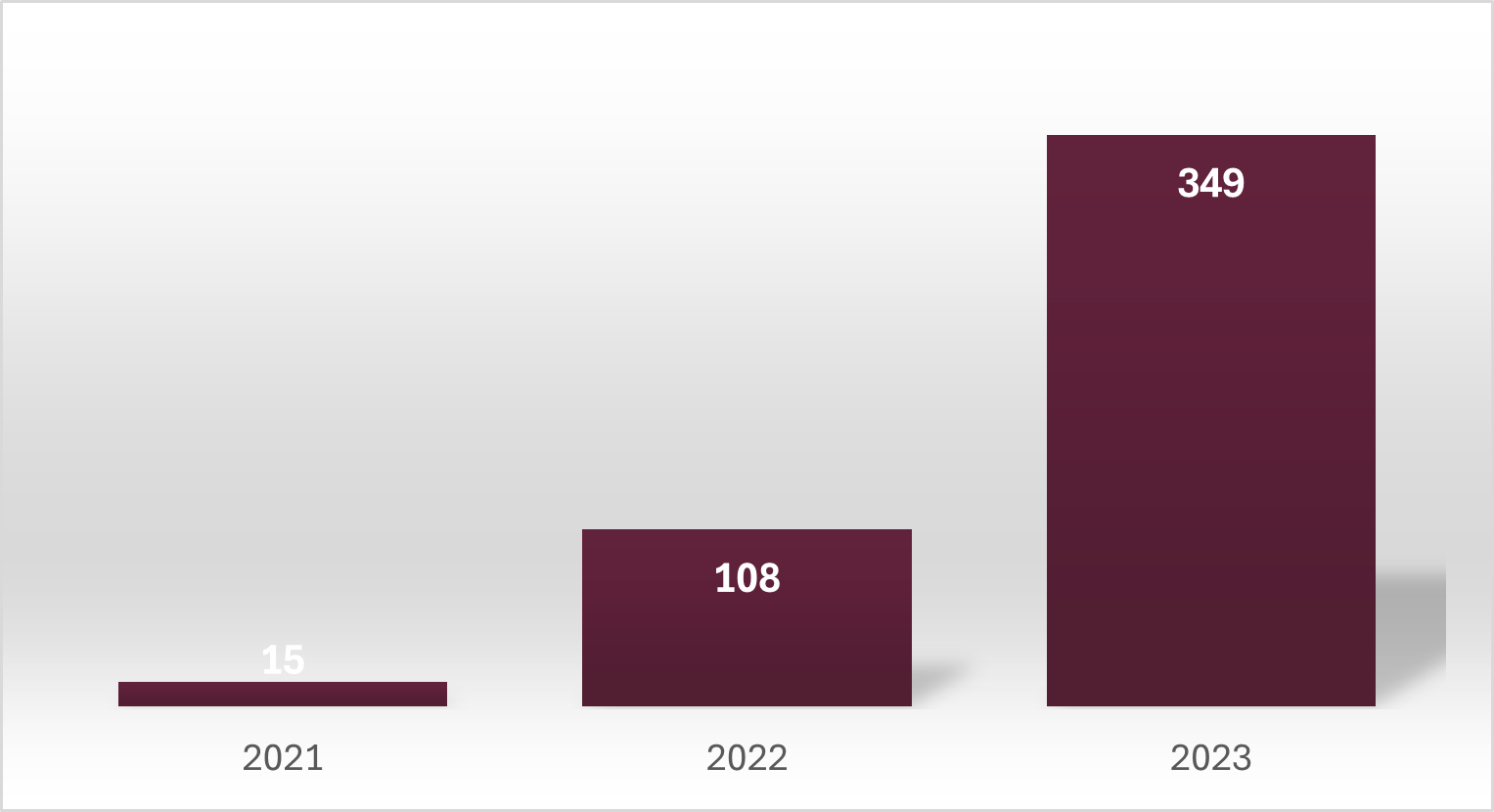
Our first interest was whether researchers at Stellenbosch University (SU) have taken advantage of the TAs. Figure 1 below shows that indeed researchers at SU have taken advantage of the TAs and this has been on an upward trend since we first signed these Agreements in 2021.
Figure 1: Increase in articles published OA through TAs

In 2023, the Institution received more requests to publish in hybrid journals than in fully open and subscription journals. Thanks to the TAs, many SU authors were able to publish without paying APCs. This does not only benefit the authors but also contributes to the visibility and impact of the Institution.

However, it is concerning that despite the availability of TAs, a few researchers still choose to lock their articles behind the paywalls thereby losing out on broader appeal, visibility and impact of their research as shown in Figure 2 below.
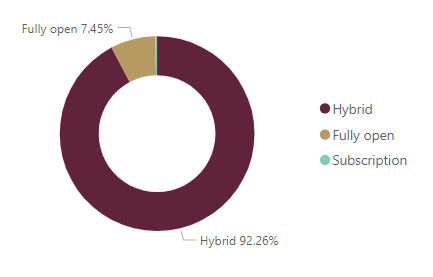
Figure 2: Choice of publishing model by SU researchers on TA-covered journals

The majority of SU researchers have taken advantage of the TAs. However, the reasons why other researchers still prefer the traditional model of locking their research behind paywalls are not clear.

Given that the University would have paid APCs to publish OA in these journals, TAs have also contributed to cost savings as shown in Figure 3.
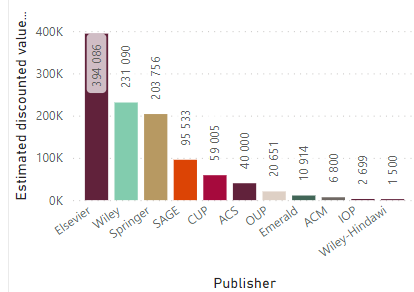
Figure 3: Estimate cost savings from APCs as a result of TAs

By 2023, the estimated cost of saving by publishing through the TAs, per publisher has been commendable. SU’s participation in these agreements saved the institution $1 053 761 (about R19 734 000) in article processing charges for 349 articles. Of the 349 articles, 112 were published in quartile 1 journals and 117 in quartile 2 journals.

In conclusion, transformational agreements at Stellenbosch University channels the growth within the openness concept, open access, and open knowledge sharing. The fact that some researchers still prefer to lock their research behind journal paywalls demonstrates the need for stronger advocacy and marketing as well as the provision of support to authors to ensure the rapid growth of OA scholarly publishing. Initiatives such as Open Access Week, outreach, workshops, and publishers training will continue to be used as tools to promote and raise awareness about open access publishing.

See more data about the articles published at SU in the Library’s statistics dashboard (go to the last tab about transformational agreements).

Authors: Sakhile Mngomezulu, Dr Siviwe Bangani