Author: Marié Roux (Page 12 of 19)

Invitation: Open Access Week event

The theme for this year’s OA Week “Community over Commercialisation” encourages a candid conversation about approaches to open scholarship that prioritise the best interests of the public and academic community.  According to UNESCO, by prioritising the community we can prevent the “inequitable extraction of profit from publicly funded scientific activities”.  The theme can be applied to various case scenarios you might find within the research cycle.

Stellenbosch University Library will engage in an active panel discussion that will address the aspects of transformational agreements and their impact on the publisher, author, and research-intensive institution.  The research community is hereby invited to join and actively participate in this discussion and find out how these agreements work within the SU research community.

Venue: Stellenbosch University Library, Auditorium
Date: Monday, 23 October 2023
Time: 11h00 – 12h00

Bookings: In-person or online

Should you have any questions for the panel, please send it to scholar@sun.ac.za.
Please take note that the discussion will be streamed, and the recording will be available on YouTube after the event.

Enquiries: Songezo Mpikashe
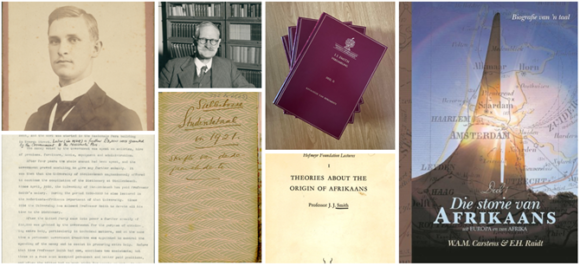
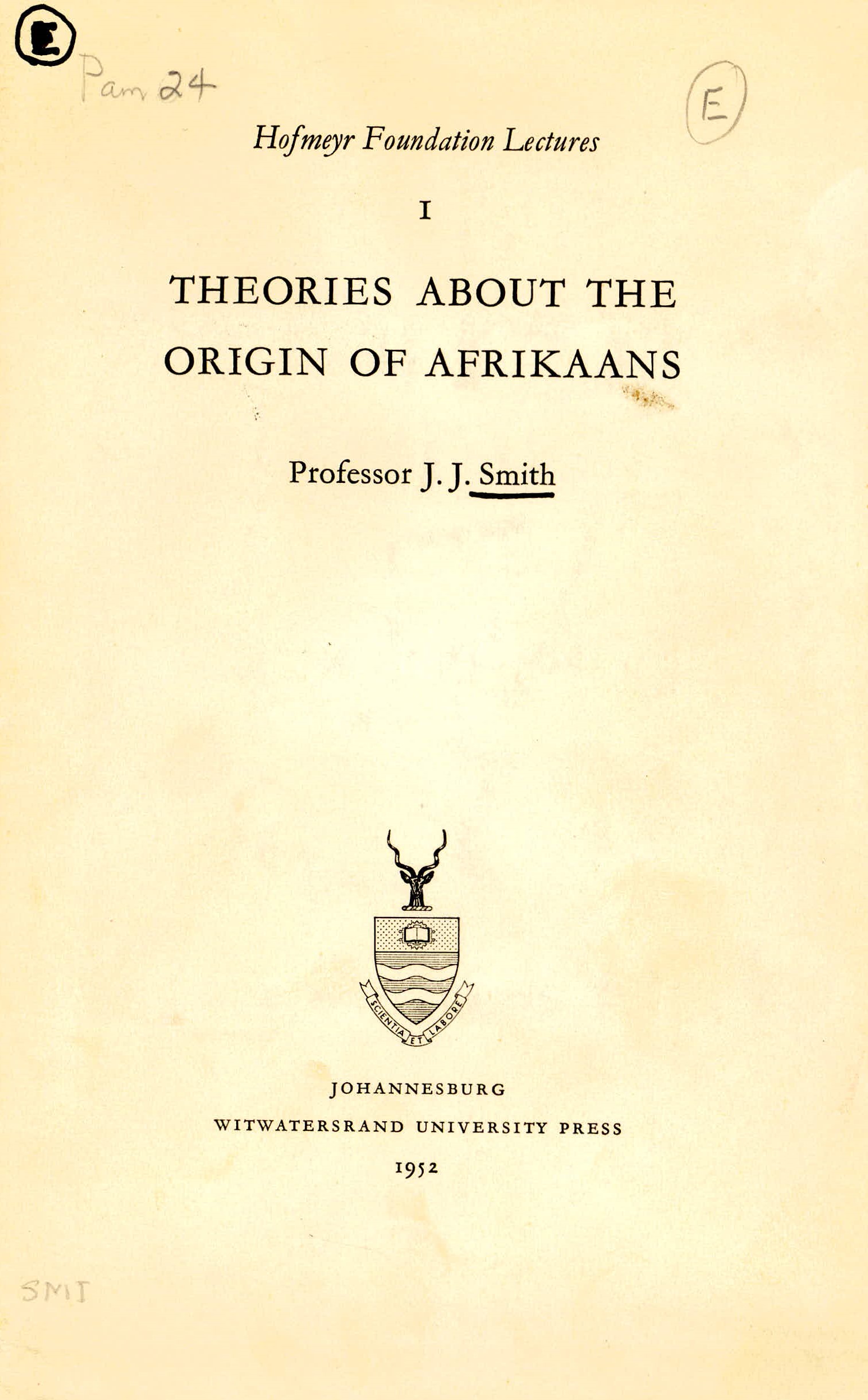
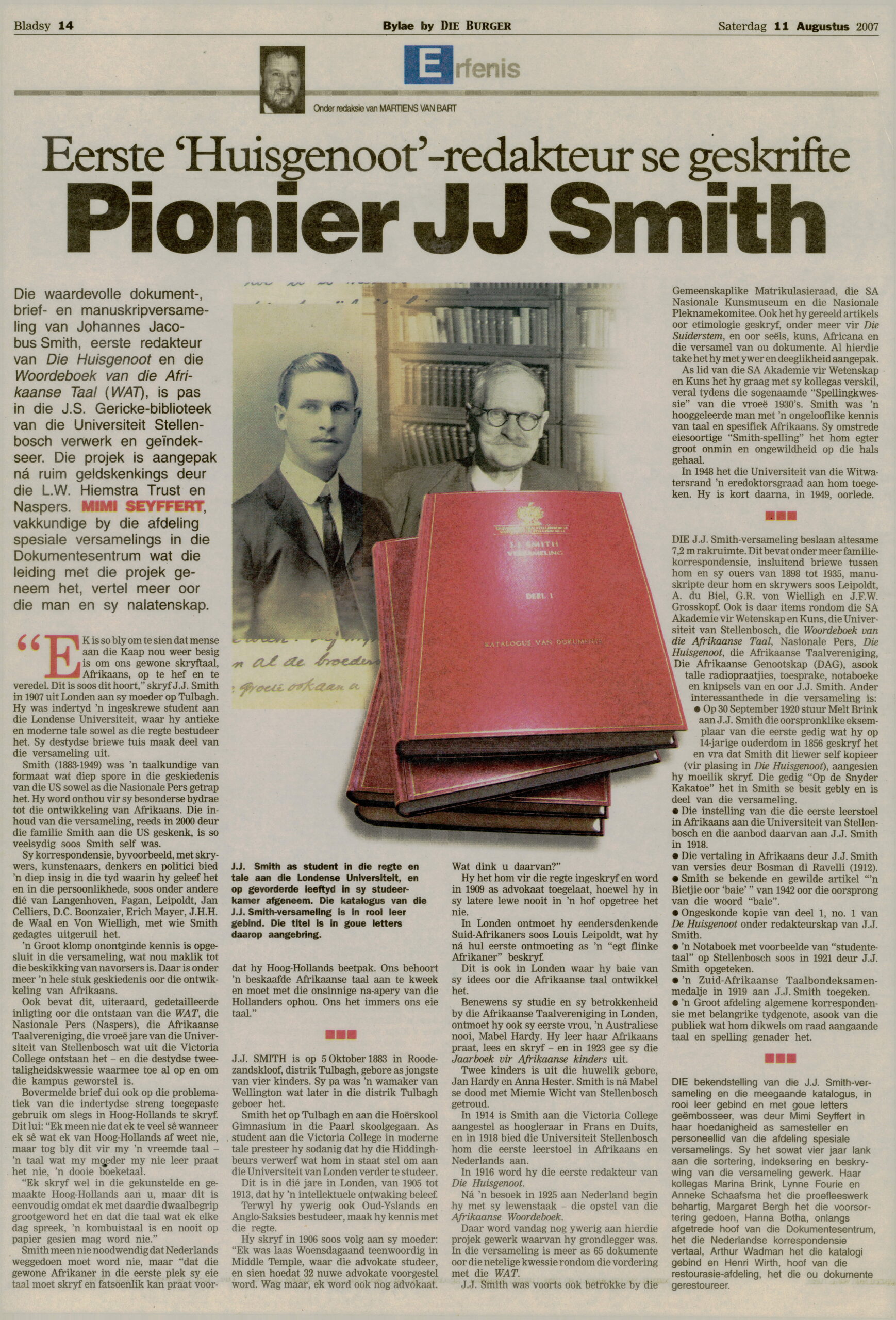
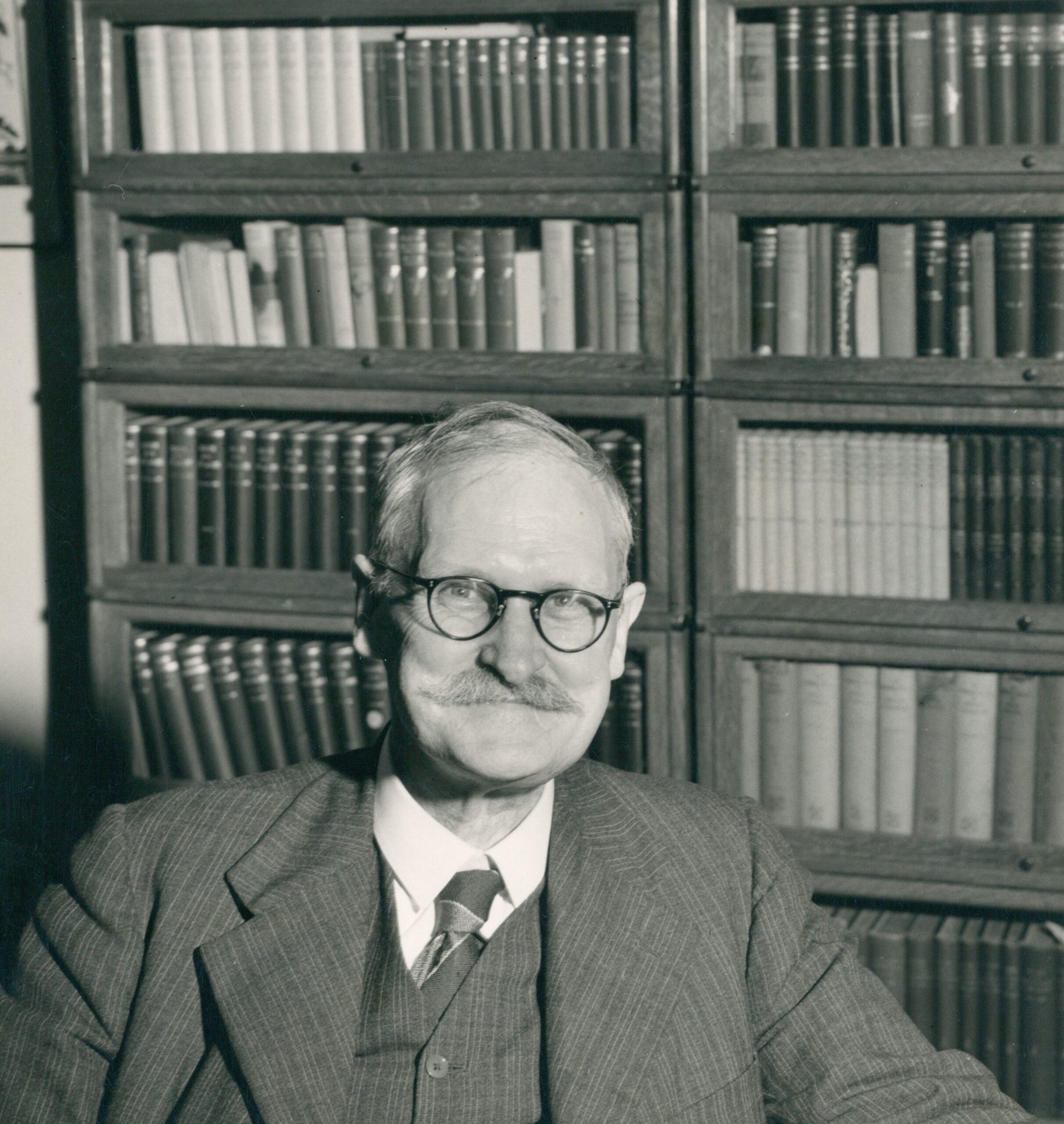
Special Collections as research tool: The JJ Smith collection

The documents in the J. J. Smith Collection (Ms 333) were donated to the SU Library and Information Service in 2000. A record of the J.J. Smith Collection is available in the library catalogue to make it more accessible.  This collection holds documents dating from 1883 to 1949 and consists of 88 pamphlet boxes containing correspondence; articles; photographs; manuscripts; notebooks; radio talks; speeches; personalia; newspaper clippings and more. Some of the notebooks contain interesting contributions to the language of children, students, old people, regional language, names of places, names of trees, animals, etc.

The focus of the documents is on the history, orthography and spelling of the Afrikaans language.

“J. J. Smith (1883-1949) became the first editor of the Afrikaans dictionary, (Woordeboek van die Afrikaanse Taal), in 1926. He was an exceptional linguist who left a lasting impression on the history of Stellenbosch University, as well as the press in South Africa (Nasionale Pers). He was also the first professor in Afrikaans and Dutch at Stellenbosch University in 1919 and the first editor of the Afrikaans magazine, Die Huisgenoot”.

The collection is completely described, catalogued and indexed, and available to researchers. To gain access to the collection please visit Special Collections.

See more information in this article: BibNews August 2007.

Authors: Marieta Buys and Busi Mofu

Where to find help on publishing avenues

Did you know that our faculty librarians offer assistance in choosing the best avenues for publishing your research? They can assist you with the following:

A library guide on where to publish your research

It gives you an overview of all the important aspects of publishing and finding a suitable journal to publish your research. Visit the library guide here.

Journal metrics in databases such as Scopus and Web of Science

With the use of journal metrics (see this page on library guide) you will be able to decide which journal to publish. These metrics include the Impact Factor, CiteScore, SNIP, and many more. It is also helpful to see in which percentile the journal falls, and then also analyse the subject fields and get suggestions for other journal titles in which you may publish.

Publish in accredited journals

Consult the Division for Research Development’s webpage for information on which journals are accredited by the DHET to qualify for subsidy. Librarians will also be able to assist you with whether a specific journal is accredited or not.

Guidance on how to avoid predatory publishers

Librarians are also able to assist you with determining whether a journal/publisher is predatory. This tab in the Library guide will give you some guidance on the topic, but you are also most welcome to contact your faculty librarian for assistance.

Getting to know all the Open Access avenues and discounts that exist

Your research will be widely visible and accessible if you publish with Open Access avenues. See more information here and see the library guide which describes all the discounts available by means of transformative agreements for Open Access publishing here.

A workshop on where to publish will be presented early October

The workshop, Making important decisions about publishing your research, will be presented again early October. Please make sure to book your space here!

Enquiries: Your faculty librarian or Marié Roux


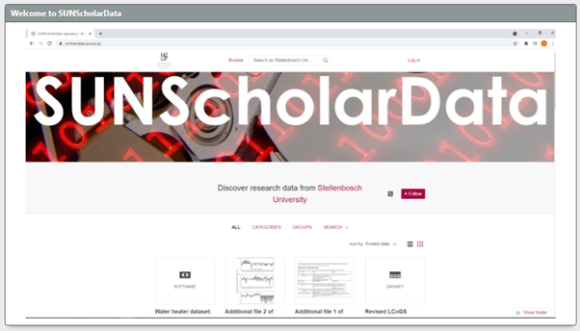
What can SUNScholarData do for you?

Are you someone who has been mulling over any of the following questions:

  1. How can I go about uploading my research data to an Openly Access repository so that I can satisfy my academic publisher’s requirements?
  2. How can I provide reviewers with access to my research data as part of the peer-review process?
  3. How can I obtain a Digital Object Identifier for my research data so that I can satisfy my academic publisher’s demands?
  4. How can I ensure that my research data are openly accessible after I graduate from Stellenbosch University?
  5. How can I make previously published research data more findable?

Well, if that is the case you need to look no further than SUNScholarData, Stellenbosch University’s very own institutional research data repository. SUNScholarData is used for the long-term archival storage and publication of research data produced or collected in relation to research conducted under the auspices of Stellenbosch University. The research data published on the repository are openly accessible. The Library and Information Service library guide on SUNScholardata provides a wealth of information relating to the use of the repository.

If you are interested in finding a solution to your problem click here in order to make use of SUNScholarData. Should you require more information about SUNScholarData click here to access the SUNScholarData Library Guide or contact the Research Data Services Division at the following e-mail address: rdm@sun.ac.za.

Author: Samuel Simango

SUNDigital Collections as research tool: The Maggie Laubser collection

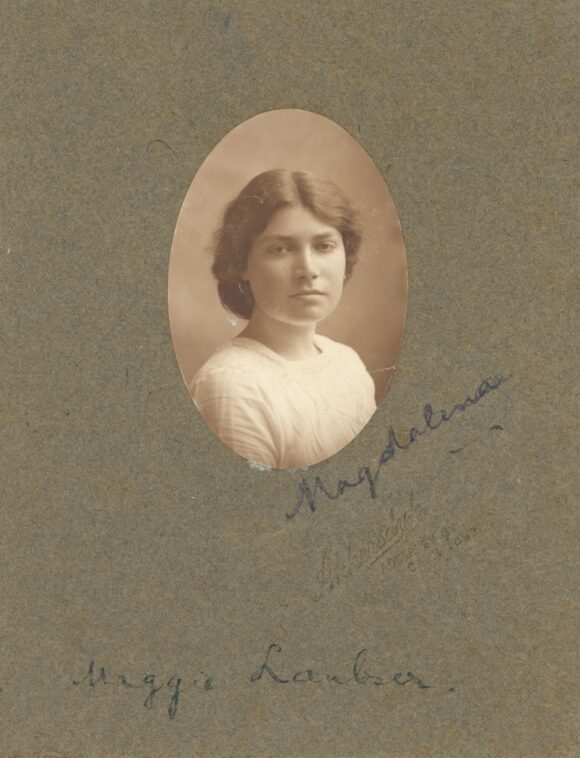
Portrait of Maggie Laubser

An art collection of 150 artworks by the renowned South African artist Maggie Laubser (1886 – 1973) was digitised by the Stellenbosch University  Museum in 2021. These works can be seen on the SU Library’s SUNDigital Collections platform.  Click here to visit the Maggie Laubser digital artworks.

But wait, there is more information on Maggie Laubser on SUNDigital that you might not know about.  The finding aid to the Maggie Laubser document collection and other related manuscript collections are also available to support research. Use the Finding aids on SUNDigital to discover what is available. A record of the Maggie Laubser collection is also available in the library catalogue.

This collection dates from 1907 -1975 and consists of 42 pamphlet boxes containing books, magazines, correspondence, sketchbooks and loose sketches, personalia, articles, radio talks, finances, films, newspaper clippings, photos and more.

Your research on Maggie Laubser would not be complete without a visit to the Manuscript section (Special Collections ) of the Library and Information Service. You can visit or make an appointment to gain access to this wonderful wealth of information.

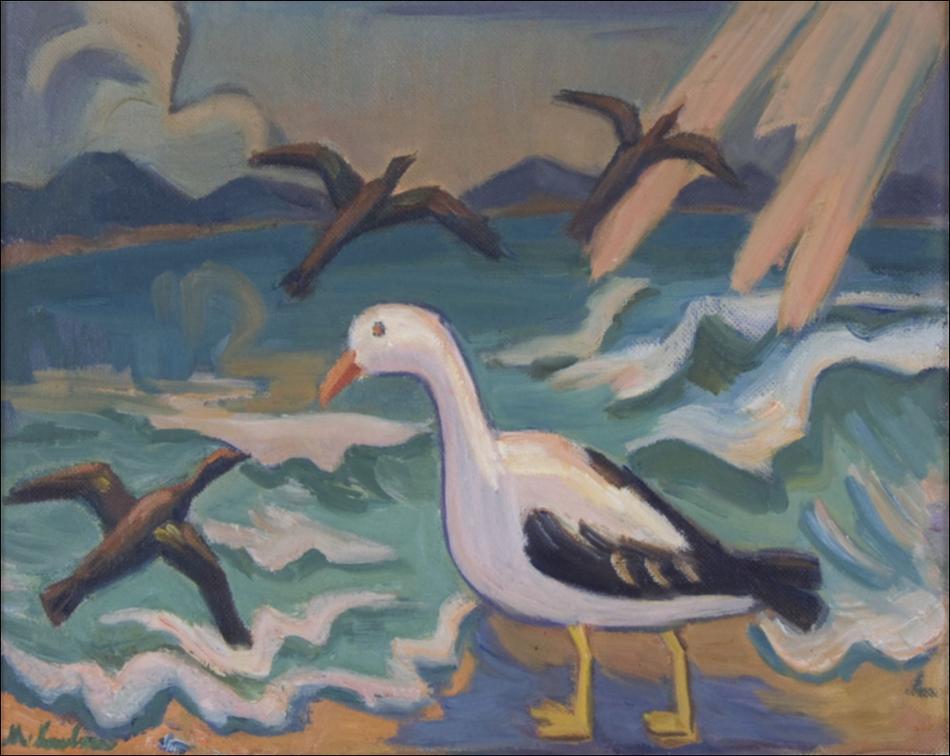
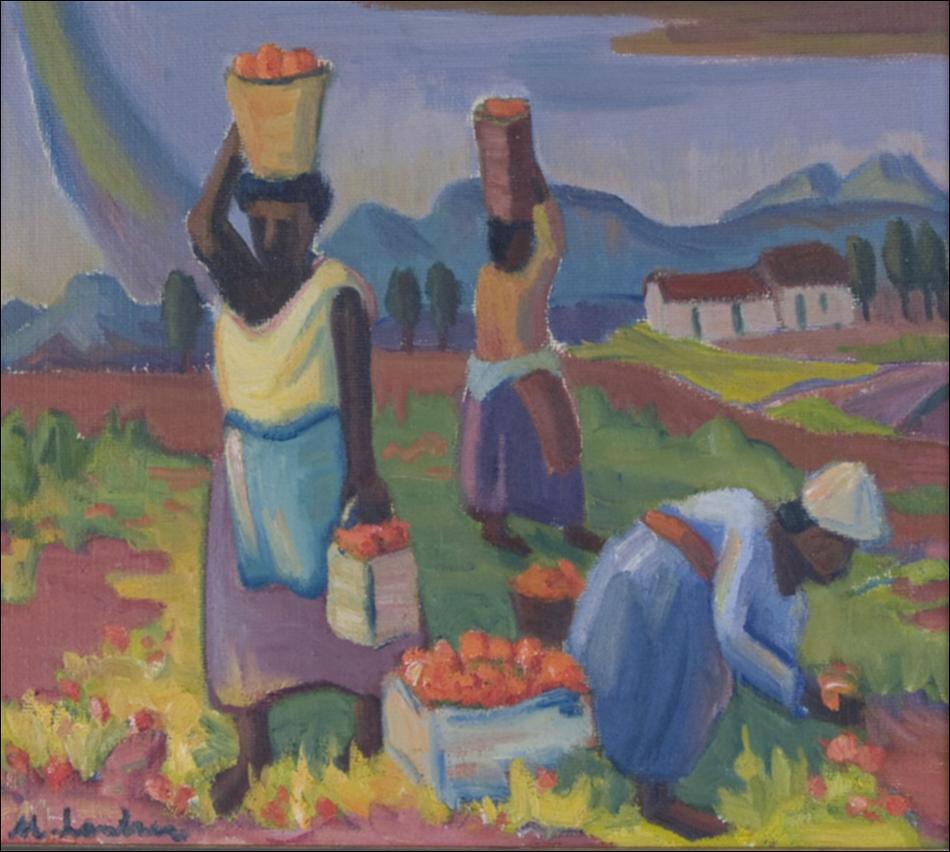
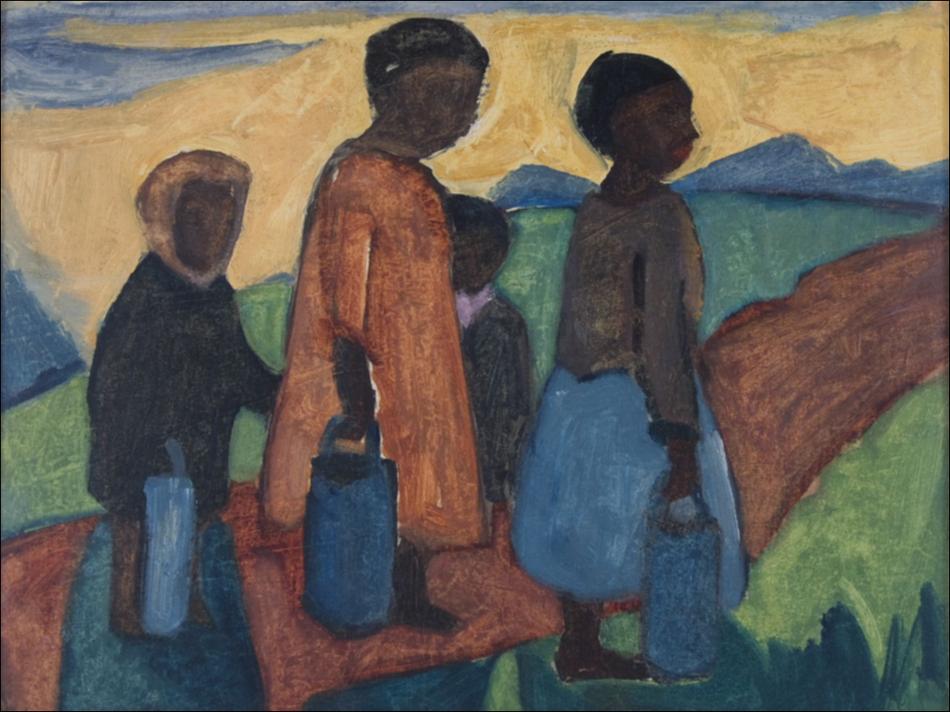
View a few of her artworks below:

Seemeeu (Seagull)

Die Tamatieplukkers (The tomato pickers)

Landskap met vier figure (Landscape with four figures)

Author: Marieta Buys

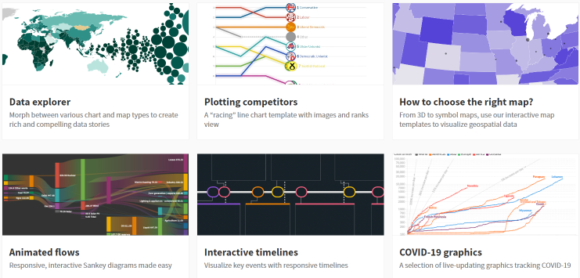
Flourish in your data visualisation techniques

The generous free version of Flourish, is very helpful to gain data visualisation techniques and easily create visualisations.

What it does: Flourish is part of the Canva family and was created to enable anyone to tell stories with data. Launched in 2018, the tool is used by a large community. It has flexible templates, custom themes and a very user-friendly interface. It is also not just for visualisations, but you can create anything, from quizzes to carousels. The fact that it is integrated with Canva is also an advantage in the sense that it can import your visualisations into any new creation in Canva, such as powerpoint templates or infographics.

The #SmartResearcher webinar about Tableau Public and RawGraphs on 26 September will also touch on how to create visualisations with Flourish. Please book here!

Learn more: Help and resources / Blog

SciVal training sessions

Two training sessions about the effective use of SciVal will take place on 1 August and 5 September. Stellenbosch University acquired access to SciVal in May 2023 and would like to encourage clients to use the tool to analyse their own research performance or the performance of their group, department, or faculty.

SciVal Fundamentals – 1 August 2023

The first webinar on 1 August will cover the fundamental elements of SciVal and enable users to use SciVal efficiently. Topics that will be covered include data sources, different metrics available in SciVal,  the different modules, navigation, types of entities and rankings. This webinar will be from 11:00-12:00.

Please book here


SciVal SDGs & Researcher Groups – 5 September 2023

The second webinar on 5 September will address how research toward the Sustainable Development Goals can be analysed in SciVal as well as
how to create researcher groups. This webinar will be from 11:00-12:30.

Please book here

Both webinars will be presented by Lucia Schoombee, Senior Customer Consultant Research Intelligence, Elsevier.

Hope to see you there and please let us know if you have any questions!

What is SciVal?

SciVal is Elsevier’s research performance assessment tool that allows the visualisation of research performance, benchmarking relative to peers, and identification and analysis of emerging research trends. The tool is based on Scopus bibliometric information as well as various other data sources such as awarded grants, patent-cited papers, and news media. The research performance of over 22,000 research institutions from more than 230 nations worldwide can be analysed.

The three modules to which Stellenbosch University has access are the Overview, Benchmarking and Collaboration modules. In the “Overview” module you can view the research performance of researchers, institutions, countries, etc. In the “Benchmarking” module you will be able to compare and benchmark the research performance of any data available in SciVal and in the “Collaboration” module you can explore the collaboration of institutions, countries and researchers.

Enquiries: Marié Roux

Discover the treasures of our library guides

Stellenbosch University Library and Information Service’s faculty librarians create subject guides for each department (linked from the library website as Library Guides) as a self-help access point for library resources.

The library offers a diversity of guides: subject-focused guides, services in the library such as the Makerspace and specific skills needed such as referencing and research data support. The subject-focused guides are created by the faculty librarians who can assist you with all the steps of the research process. These guides also form a point of contact, where you can find your specific faculty librarian’s email address, and telephone number. You can also make an online appointment while visiting the guide.

Features of Library guides:

  • Identify appropriate databases for specific departments to support assignments as well as literature and systematic reviews.
  • Allow students to focus on relevant information and eliminates the less relevant.
  • Provide tips on finding, using and organizing information in a scholarly way.
  • Allow for 24/7 library and information support.
  • It is updated continuously.
  • Library Guides are integrated with information and other literacy classes.
  • Communication technology is integrated into library guides so that it is easy for students and researchers to get support as often and conveniently as needed.

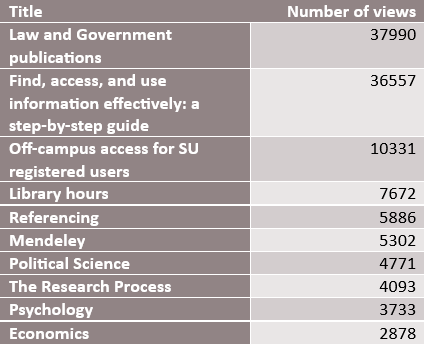
The usage statistics of the Library Guides show they are seen as an asset by our clients, as illustrated by the following sample of statistics as on 24 April 2023 (number of views from January 2023). We have a total of 117 guides, with 170 714 views during the first 4 months of 2023. See a breakdown below of the Top 10 guides according to the number of views.

Enquiries: Contact your faculty librarian.

The IDASA collection of SUNDigital Collections

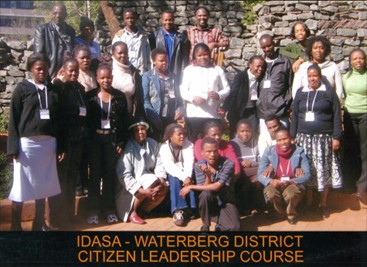
IDASA stands for Institute for Democracy in South Africa and was formed in 1986 by Frederik van Zyl Slabbert and Alex Boraine. The institute was dissolved in 2013 and some of its documents and other material were donated to the Special Collections Manuscripts Section. In 2018 Special Collections started with the initiative of digitising the IDASA collection, starting with photographs. The collection consists of photographs, articles, correspondence, newspaper clippings, Dakar tape recordings, video interview recordings and voter education material, just to mention a few. A few of the IDASA materials were digitised and are hosted on SUNDigital Collections. This is a platform that showcases digital content from the Library and Information Service’s unique digital collections and repositories. IDASA is one of the few digital collections hosted on SUNDigital which are from our manuscript collections in Special Collections. More photographs are currently being digitised and will later be uploaded onto the platform. The reason why we put our collections on an open-access repository such as SUNDigital Collections is so that our clients will be able to access our collections without physically visiting our building and from the comfort of their own homes.

Below are images from the IDASA collection:

IDASA Citizen Leadership Course, Waterberg District

Photograph of Gay Rosenblum, Di Oliver, Richard Joseph from UNOMSA, Black Sash and the Carter Institute.

Author: Patricia Khati

Research data collection: a RDM service

Researchers often consider the full range of possibilities for collecting data and organising methods when conducting scientific research. These methods help determine the degree to which the nature of research data to be collected may be predetermined, the use of close-ended and open-ended questioning, and their focus on numeric and non-numeric data analysis. In research data management (RDM), researchers often begin by completing a data management plan, which outlines strategies and tactics they intend to adopt for collecting research data. This article is focused on the ‘data collection’ phase of the research data lifecycle and builds on the previous blog post titled ‘Research data management planning @SU’ which explains the significance of the RDM plan and further outlines the support services provided by the SU Library.

Research data collection can be grouped into two main techniques, namely, documentation and data organisation. Documentation can be understood as the process of writing up descriptive information about research data during the data collection process with the aim of ensuring that research data can easily be understood by other researchers and future-self. Data organisation on the other hand explains how research data will be kept in order using appropriate organisational systems and file naming conventions. At a basic level this entails creating folders for digital files, copying and pasting, and moving everything around with the click of a computer mouse. For developing a more advanced organisational system, the SU library may provide such support on request to help researchers design an organisational system that works for a group or individual researchers. Documentation may be created in various formats, however, all formats should always remain consistent in terms of the descriptive contents. This entails that all documentation regardless of the format needs to have basic information about the research data that enable correct interpretation and reuse by other researchers and future-self.

Documentation can include anything from using lab notebooks, field notes, metadata, protocols, as well as other useful documentation formats such as README.txt files, codebooks, data dictionaries, and/or templates. Researchers from Stellenbosch University (SU) come from various educational backgrounds making it somewhat difficult to develop a single format or approach for documenting research data. To address this, the SU library often encourages researchers to ensure that their documentation includes adequate information on their data detailing ‘what’ type of data was collected, ‘how’ was it collected, ‘why’ was it collected, ‘when’ was data collected, ‘where’ was data collected, and ‘who’ collected the data. Given that RDM services at SU are still in a developmental phase, the SU Library does provide support for all previously mentioned documentation formats with README.txt files being the preferred documentation method.

Author: Sizwe Ngcobo

« Older posts Newer posts »