
Education

The Faculty of Education has four different departments:
– Curriculum Studies
– Educational Psychology
– Education Policy Studies
– SUNCEP

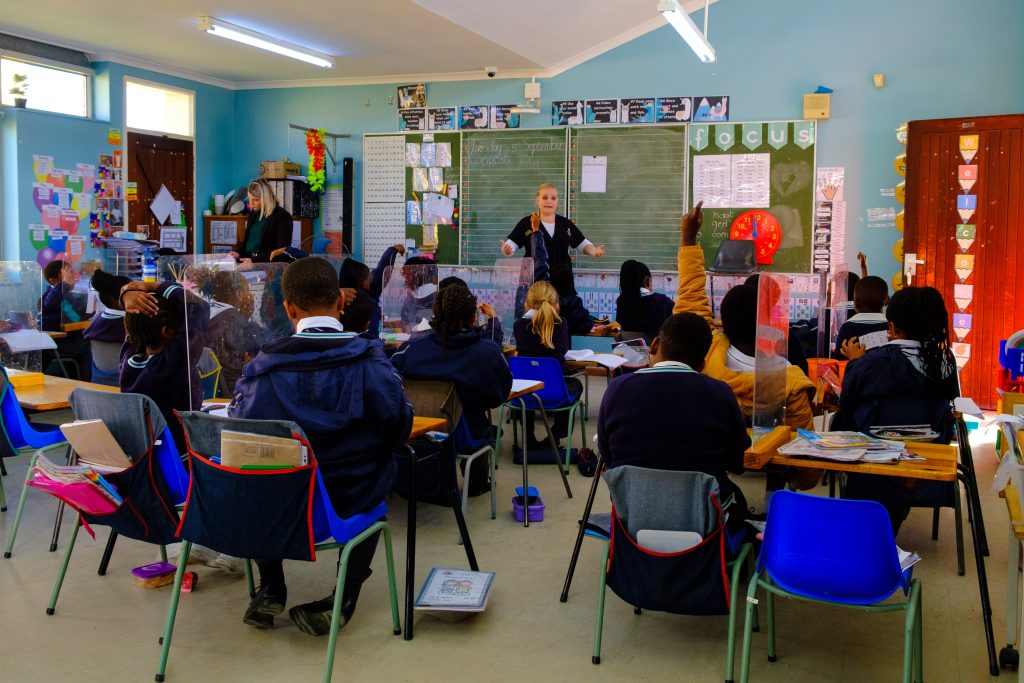
The Department of Curriculum Studies strives for academic excellence in the context of curriculum studies as a scientific field. In this department you will be trained in the school subjects that you will eventually be teaching at school such as Languages, Sciences, Mathematics etc. This is done on the basis of the Curriculum Assessment Policy Statements (CAPS).

The Department has a multi-disciplinary focus, which includes Philosophy of Education, Sociology and History of Education, Education Leadership and Management, and Education Policy. In line with the University’s commitment as a research-intensive institution, we are a research-led department. The department’s work and focus are framed in a postcolonial, democratic culture of critical deliberation, focused on being responsive to the myriad complexities and questions which necessarily accompany a pluralist society.
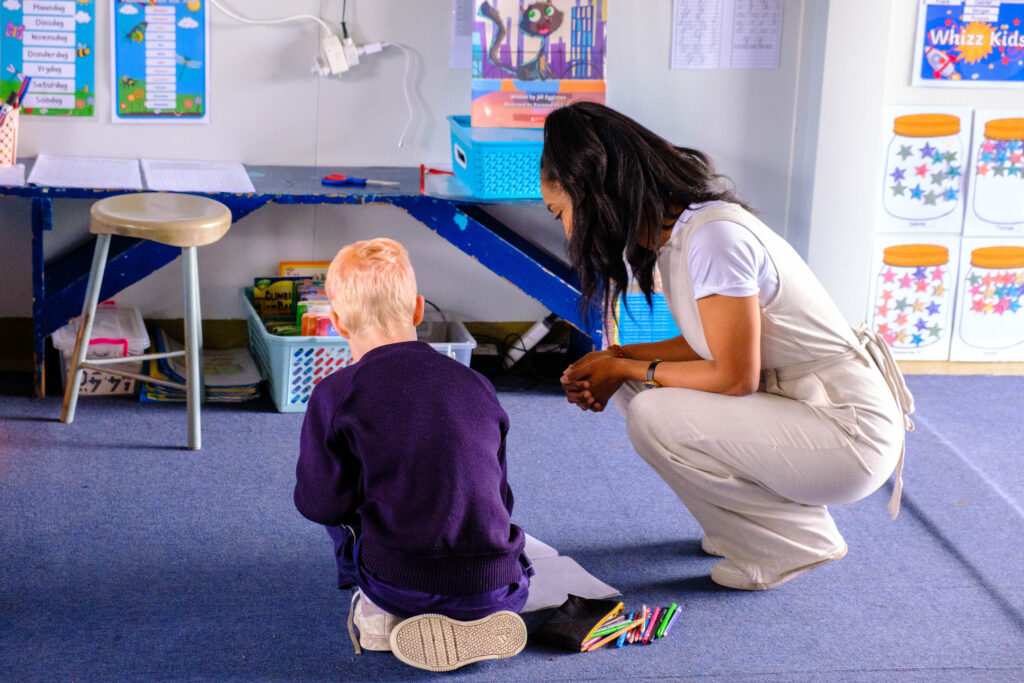
The research focus of the Department of Educational Psychology is aimed at the educational psychological development of human potential in schools and communities. The ultimate aim is to develop and implement appropriate inclusive school- and community-based educational psychological programmes as well as specialised programmes. This will provide opportunities for optimal development and self-actualisation.
More information about the following programmes can be found at ‘Study Options – Postgraduate Programmes’:
- MEd Education Support Programme
- MEd Educational Psychology
- Career Paths for the Educational Psychologist

The SciMathUS programme at Stellenbosch University, run by SUNCEP, is a one-year bridging course aimed at improving NSC results in Mathematics and Physical Sciences for students from disadvantaged backgrounds. Launched in 2000, it offers comprehensive support, including accommodation, and focuses on active learning with 7 hours of daily classes in core subjects, plus skills like Computer and Academic Literacy. The programme also provides mentoring and career guidance, helping students transition to higher education. Many graduates go on to complete degrees, particularly at Stellenbosch University, showcasing its success in expanding access to quality education.
SciMathUS is distinctive due to its active learning approach, where students are encouraged to participate and collaborate in class. The curriculum is rigorous, with 7 hours of daily instruction covering core subjects and additional skills like Computer Literacy and Academic Literacy.
The language of instruction is mainly English and Afrikaans, but native languages are allowed during group work to foster better understanding.
Funded entirely by external sources, SciMathUS continues to play an essential role in broadening access to quality education in South Africa, as demonstrated by the high demand for the programme and the significant achievements of its participants.