
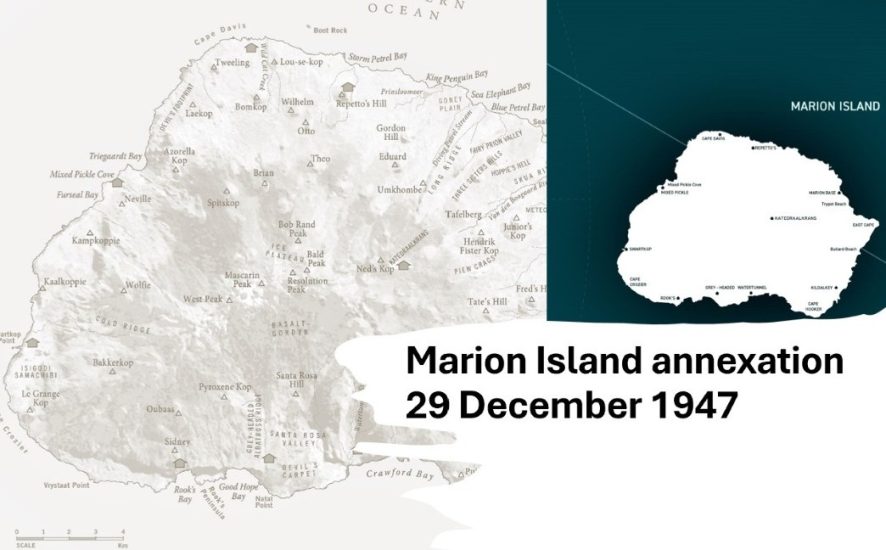
On 29 December 1947, a pivotal chapter in South Africa’s polar history unfolded with the formal annexation of Marion Island, a remote and windswept volcanic island in the Southern Ocean. This act marked South Africa’s first permanent step into the sub-Antarctic region and laid the foundation for more than seven decades of scientific research, environmental stewardship, and strategic presence in the Southern Hemisphere. The annexation was carried out as part of Operation Snoektown, a carefully planned naval operation undertaken in the immediate post–Second World War period. At the time, global interest in the sub-Antarctic and Antarctic regions was intensifying, driven by emerging scientific priorities, geopolitical considerations, and the need for meteorological data critical to southern hemisphere shipping and aviation routes.
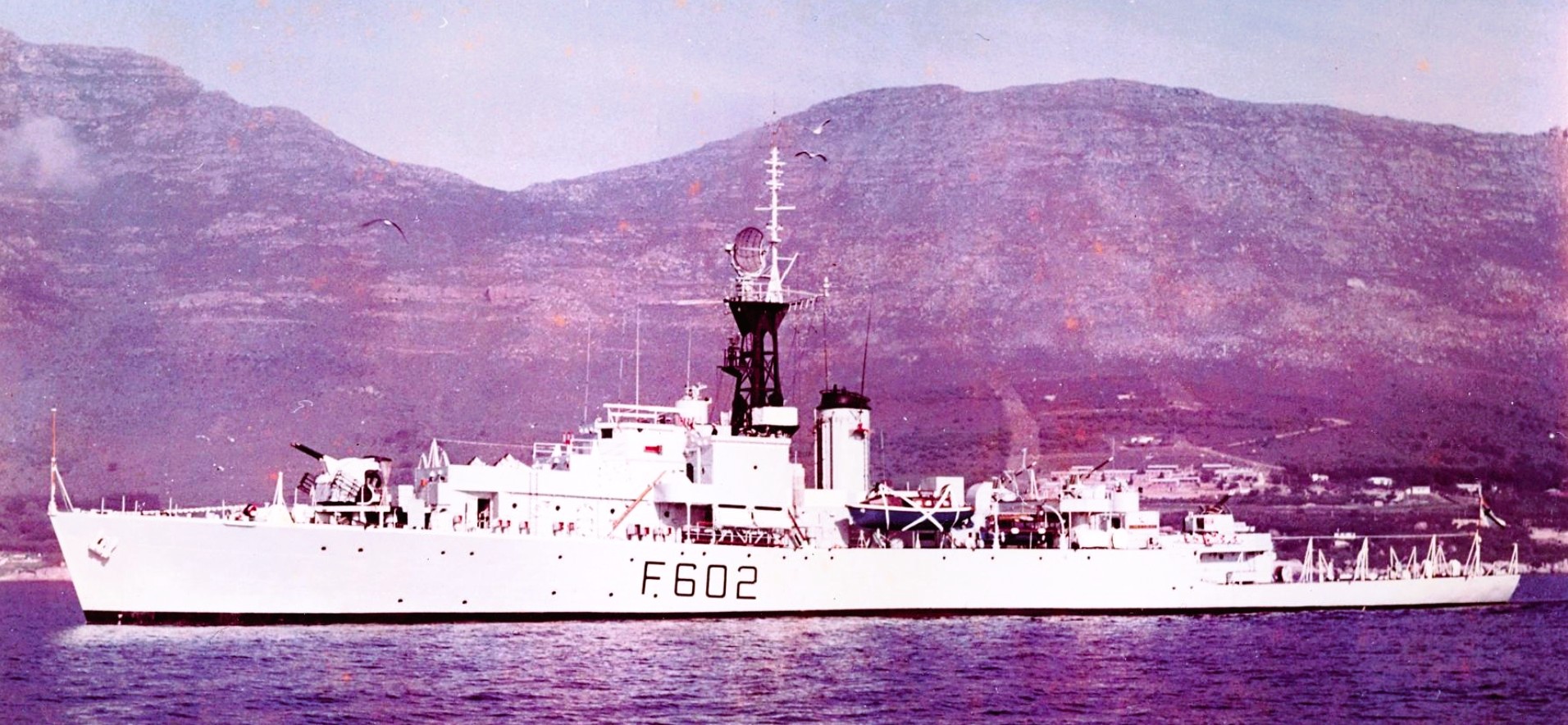 The South African Navy played a central role in Operation Snoektown. Naval vessels, including HMSAS Transvaal (above-credit: Simon’s Town Navy Museum) and supporting ships, transported personnel, equipment, and supplies across the notoriously rough Southern Ocean. Despite challenging weather conditions and limited navigational infrastructure, the operation succeeded in landing a South African party on Marion Island before the end of 1947.
On 29 December, the South African flag was raised, and Marion Island was formally annexed in the name of the Union of South Africa. This moment symbolised more than territorial acquisition; it represented a long-term commitment to scientific inquiry and international cooperation in one of the world’s most remote environments.
Although a permanent research station would only be established several years later, the annexation of Marion Island enabled South Africa to begin systematic meteorological observations and laid the groundwork for future biological, geological, and climate research. Over time, Marion Island would become internationally recognised as a critical natural laboratory for studying sub-Antarctic ecosystems, invasive species management, and long-term environmental change.
Today, Marion Island remains at the heart of South Africa’s Antarctic and sub-Antarctic programme. The legacy of Operation Snoektown continues through the scientists, technicians, and logistical personnel who work in isolation to advance global understanding of Earth systems.
Historical photographs, official correspondence, naval records, and personal accounts related to the annexation of Marion Island and Operation Snoektown are preserved in the Antarctic Legacy of South Africa (ALSA) archive. These materials provide invaluable insight into the courage, planning, and vision that shaped South Africa’s enduring polar presence.
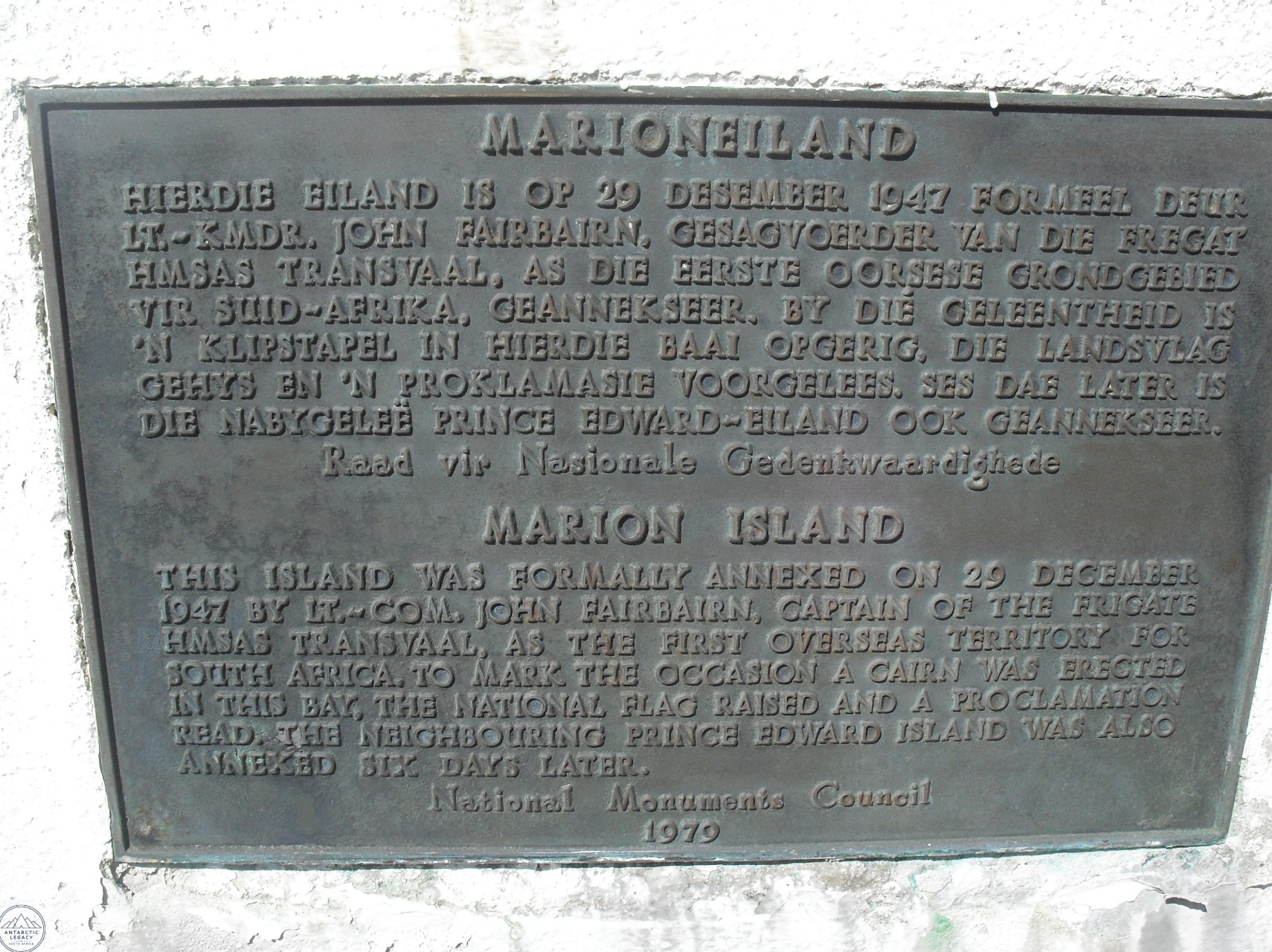
As we commemorate the annexation of Marion Island on 29 December 1947, we honour the men and women of the South African Navy and scientific community whose efforts secured a legacy that continues to benefit science and society today.