
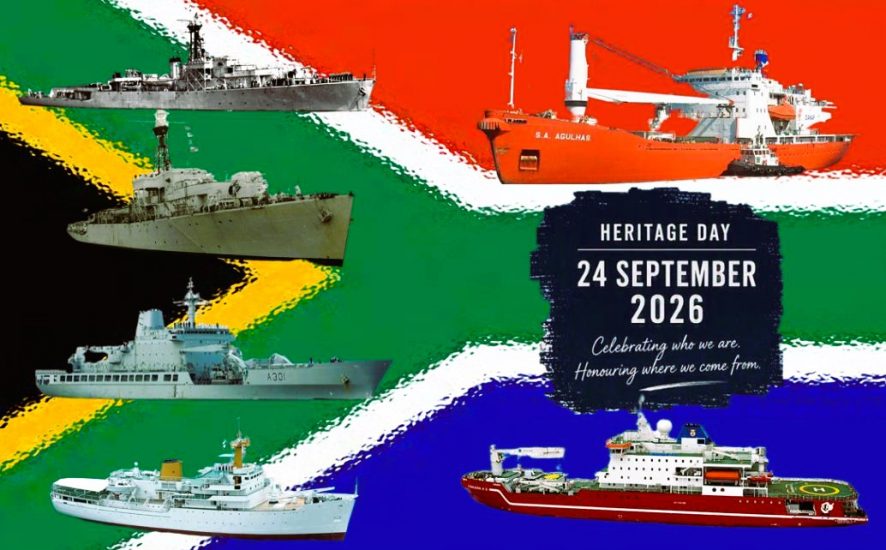
On Heritage Day, South Africans celebrate the people, places and stories that shaped our country. At the Antarctic Legacy of South Africa (ALSA), that heritage stretches beyond our shores to Marion, Prince Edward, Gough islands, and Antarctica. For generations, vessels from South African ports have carried crews, scientists, support teams and supplies across the Southern Ocean—making vessels and people central to our polar legacy.
Cape Town: our gateway south. Long before South Africa established an Antarctic programme, the Cape was a strategic staging point for explorers, whalers and sealers. It later became the departure point for South African expeditions, relief voyages and research programmes serving the sub-Antarctic islands and Antarctica.
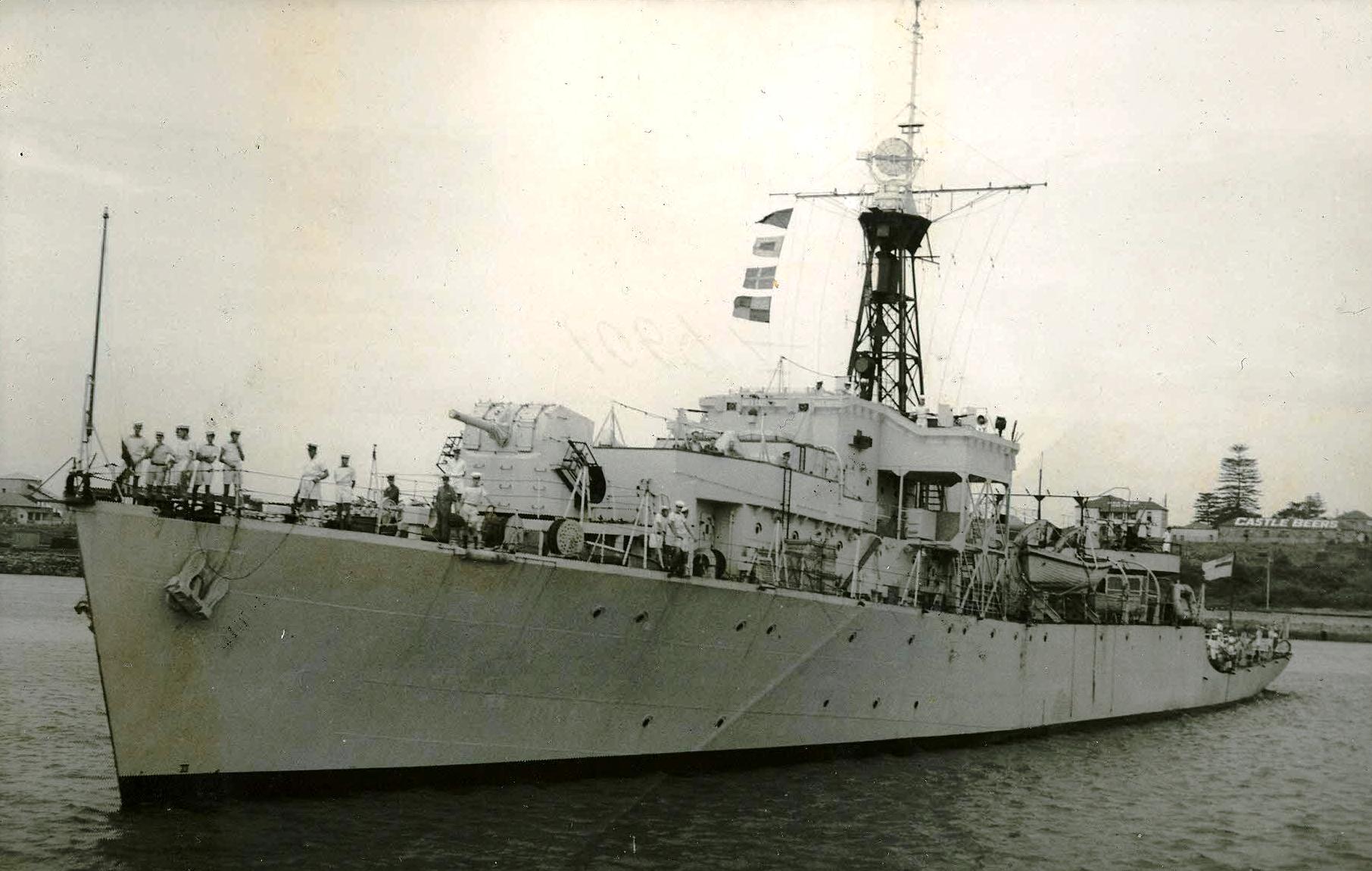
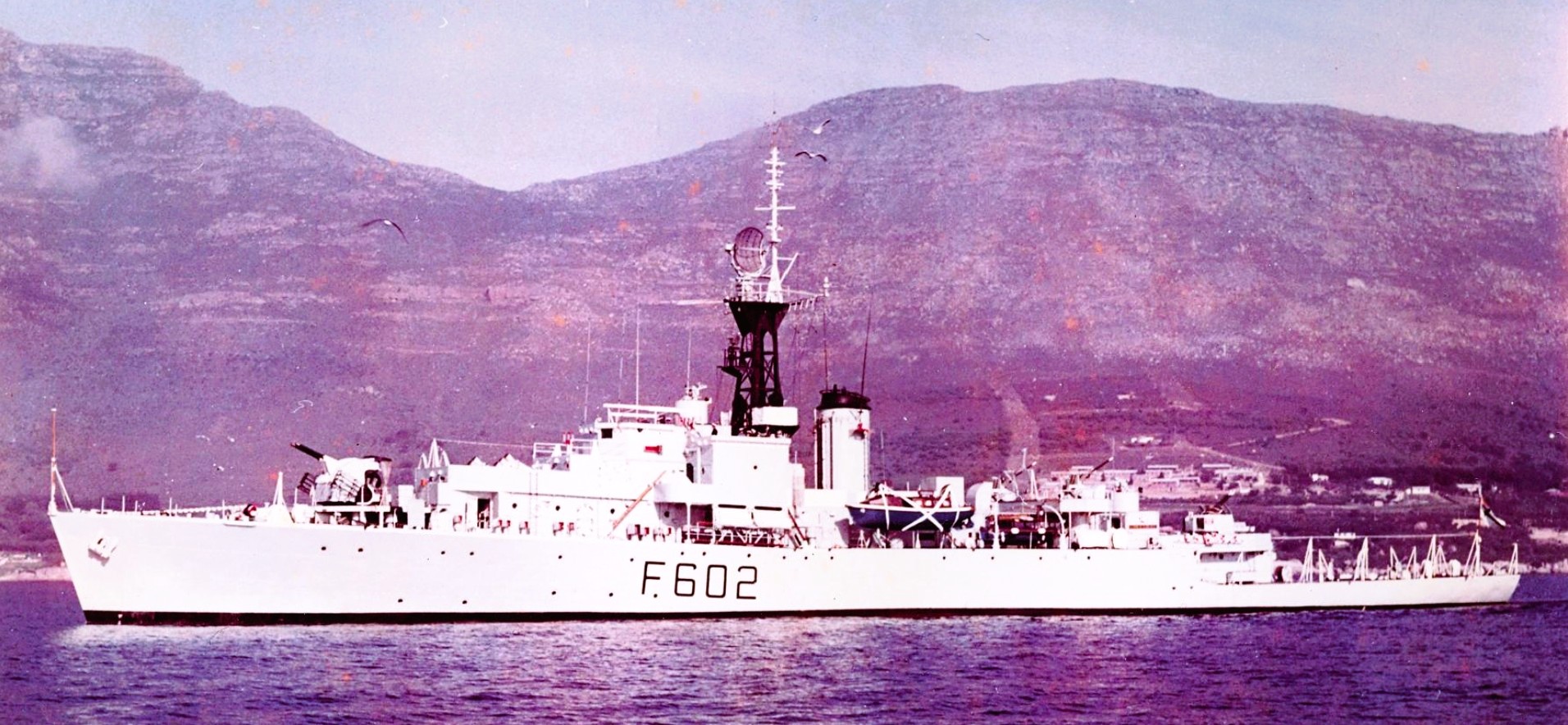 The beginnings of a permanent presence. During Operation Snoektown, SAS Transvaal (left) and SS Gamtoos left Cape Town on 21 December 1947 to occupy the Prince Edward Islands. A party landed on Marion Island on 29 December and raised the South African flag; formal annexation followed in January 1948 when HMSAS Natal(right) landed on Prince Edward Island. From 1948, naval vessels serviced weather stations, rotated personnel and undertook specialist missions at Marion, Gough and Bouvet islands. SAS Transvaal, for example, conducted radar-assisted surveys of Bouvet in January 1955 and Gough in January 1956. These voyages relied on naval crews, meteorologists, scientists, engineers and support personnel.

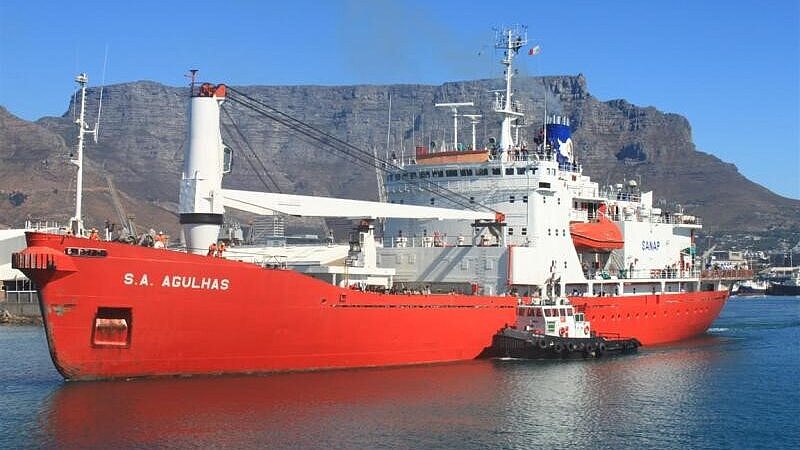 From the R.S.A.(left) to the S.A. Agulhas (right). South Africa’s formal Antarctic programme began in 1959, when the first National Antarctic Expedition sailed from Cape Town aboard the chartered Polarbjørn to take over the station that became SANAE I. South Africa’s first dedicated polar research and supply ship, the RSA, departed Cape Town on 5 January 1962 and completed 17 Antarctic round trips in 17 years. Its successor, SA Agulhas, linked Cape Town with the Southern Ocean islands and Antarctica from 1978 to 2012, becoming part of the lives and careers of generations of SANAP participants.
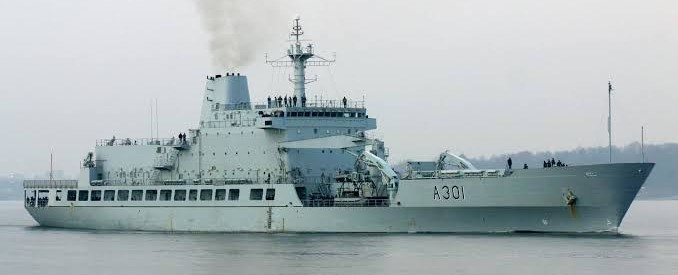 The Navy’s polar workhorses. The South African Navy also supplied specialist support. SAS Protea joined an international Antarctic krill project in 1978, surveyed Marion Island’s approaches in 1987 and sailed to Antarctica and Bouvet in 1994. SAS Drakensberg (left) supported Operation Boval at Bouvet in 1991 and, in 1992, towed SA Agulhas to Cape Town after a rudder failure in pack ice. SAS Outeniqua and the building of SANAE IV: Commissioned in 1993, the former Arctic supply vessel SAS Outeniqua brought icebreaking and heavy-lift capability to the Navy. Sailing south with SA Agulhas on 24 November 1994, she carried workers and materials for the new SANAE IV base and became the first South African naval vessel to break Antarctic ice. She completed eight Antarctic round trips in support of the base and later served Bouvet and Gough islands.
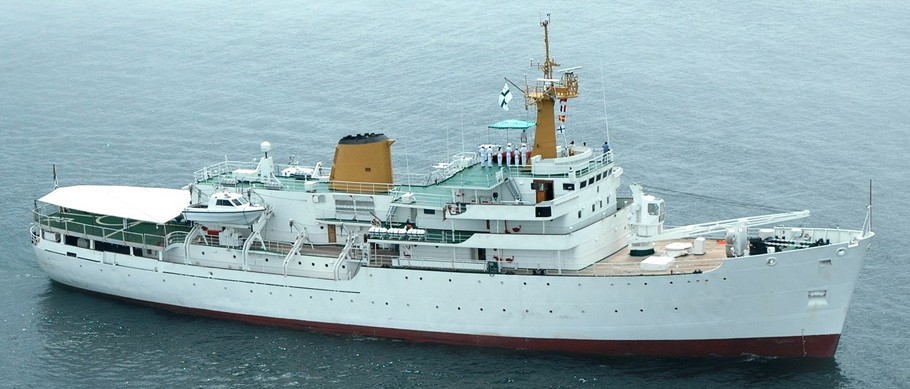
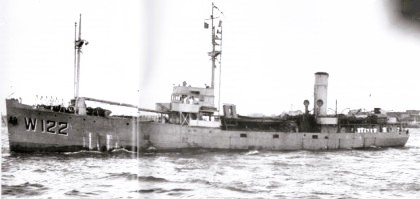 The journey continues. In 2012, S.A. Agulhas II succeeded SA Agulhas. Ships, technology and stations have changed, but Cape Town remains South Africa’s gateway to Marion, Prince Edward, Gough and Bouvet islands, and Antarctica. A heritage of people as much as ships – The vessels—Gamtoos(left), Transvaal, Natal, Bloemfontein, Vrystaat, Protea(right), Tafelberg, Drakensberg, Outeniqua, RSA, SA Agulhas and today’s SA Agulhas II—matter. But their history was made by captains, crews, engineers, pilots, meteorologists, scientists, support teams, expedition members and the families waiting at home.
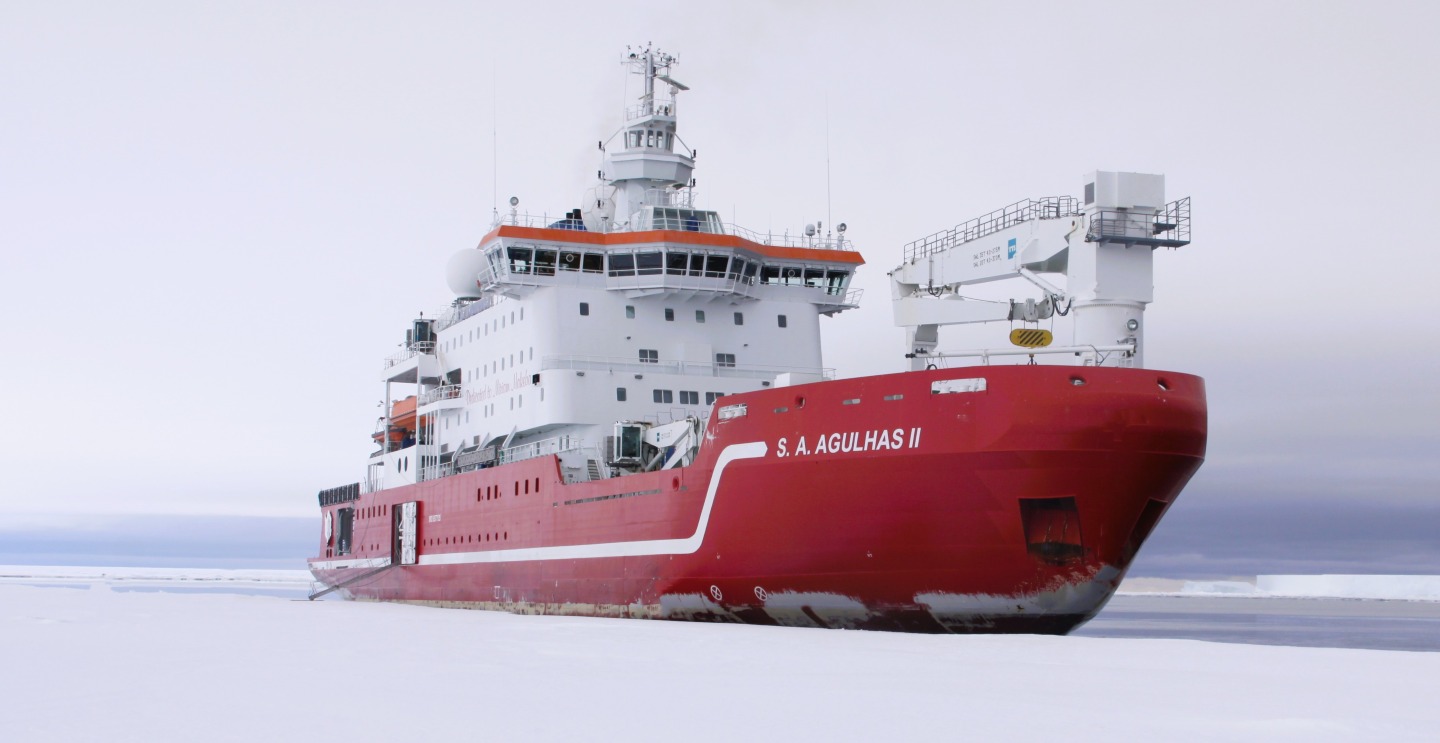 This Heritage Day, we remember that South Africa’s heritage reaches across the Southern Ocean—in our ships, the people who sailed aboard them, the science they enabled and our enduring connection with Antarctica. ALSA celebrates our ships, our people, our voyages and our gateway to Antarctica—a uniquely South African polar legacy.
Source acknowledgement: Historical information for this Heritage Day feature draws on Leon Steyn, “South African Navy Expeditionary Operations in the Southern Ocean”, Scientia Militaria: South African Journal of Military Studies, Vol. 54, No. 1 (2026), pp. 83–114.