
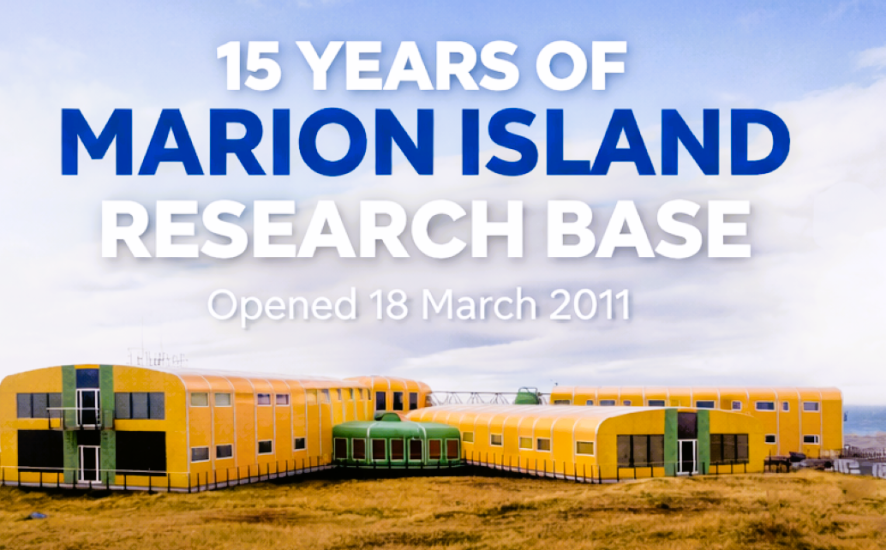
On 18 March 2011, South Africa marked a defining moment in its polar and sub-Antarctic history with the official opening of the new research base on Marion Island. Fifteen years later, the base stands as a testament to perseverance, vision, and scientific ambition. Built over a decade in one of the most remote and weather-beaten environments on Earth, the facility replaced an aging station and immediately enhanced South Africa’s ability to conduct high-quality research while maintaining its strategic presence in the Southern Ocean and within the Antarctic Treaty system.
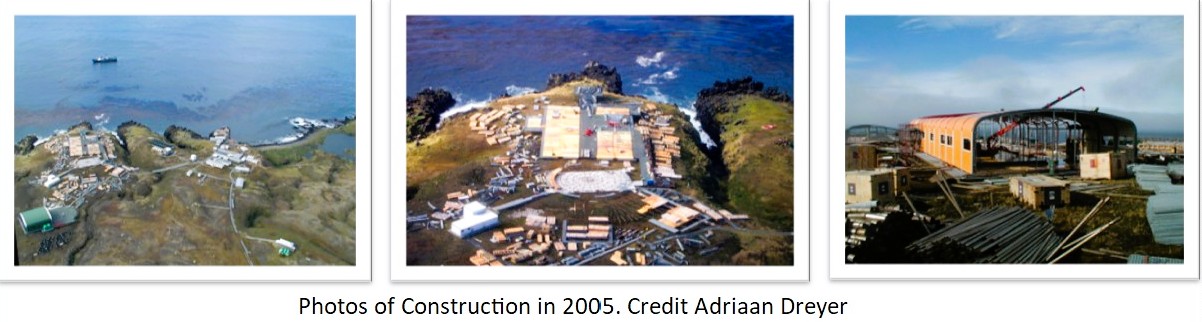
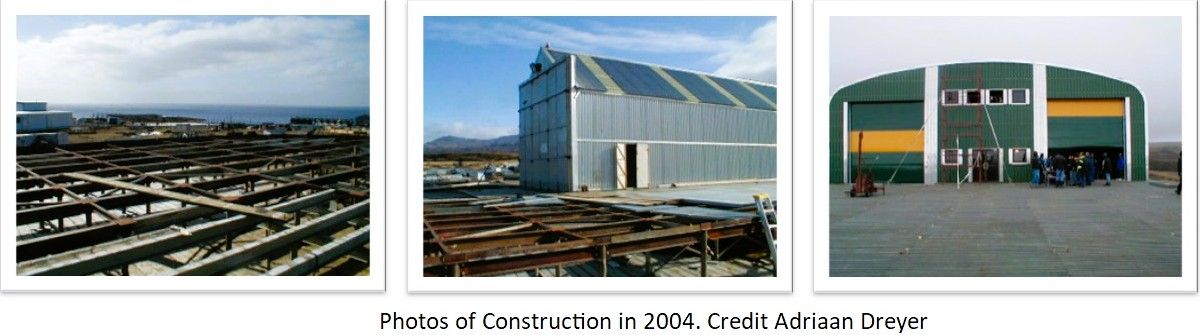 The journey to completion was anything but easy. Construction teams battled relentless winds, freezing temperatures, and heavy precipitation, often working through harsh winter conditions. Careful environmental management was essential on this ecologically sensitive island, with strict biosecurity measures—such as the now well-known “boot washing” procedures—ensuring that no foreign organisms were introduced. Despite these challenges, the result was a modern, 80-bed, high-tech base designed to support long-term scientific research while minimising environmental impact.
 From its inauguration, the base has supported critical work ranging from climate and weather monitoring to studies of seabirds, seals, and ecosystem dynamics. Continuous meteorological observations dating back to 1948 remain vital to both South African and global forecasting systems, while long-term biological research contributes to understanding climate change and its impacts. As South Africa’s only overseas territory, the Prince Edward Islands continue to play an outsized role in advancing science and strengthening the country’s international scientific standing.
 In her opening address, Deputy Minister Hendrietta Bogopane-Zulu (DPWI) reflected on the bold vision that made the base possible, urging South Africa to recognise the central role of science and technology in national development. She highlighted the importance of investing in research, skills development, and inclusive participation—particularly encouraging greater opportunities for young people and women in science. Emphasising both national pride and responsibility, she praised the dedication of the construction teams and scientists, and called for the work conducted on Marion Island to inform policy, strengthen international collaboration, and position South Africa at the forefront of global scientific efforts.