Read more about the article Reducing the number of invasive species introduced through shipping
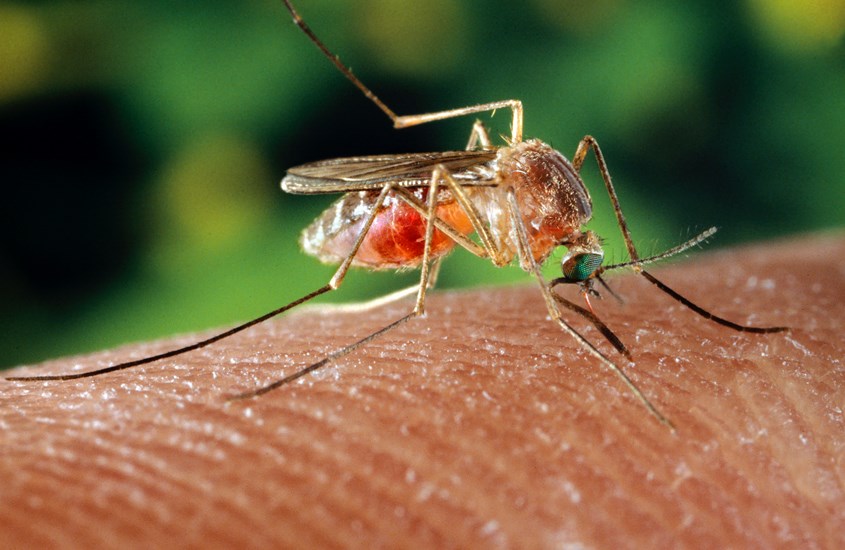
The authors found that more alien species with the potential to establish are likely to be introduced to Durban than to other South African ports. One such a species that is not yet in South Africa that could be introduced to Durban through high risk shipping routes, is the disease vector, the southern house mosquito (Culex quinquefasciatus). (Photo credit: http://www.cabi.org/isc/datasheet/86848, Public Domain/released by CDC (Centers for Disease Control and Prevention) - Original photograph by James Gathany)

Reducing the number of invasive species introduced through shipping

Research conducted by C·I·B post-doctoral fellow Katelyn Faulkner demonstrates that to reduce invasions, ships travelling along high risk routes should be targeted for inspections.

Comments Off on Reducing the number of invasive species introduced through shipping

Global insect invasions are difficult to predict from distribution models alone

Non-native invasive insects have major impacts on ecosystem function, agricultural production and human health. To make better predictions of where such species may establish and invade, species distribution models (SDMs) are widely used tools to predict potential distributions and invasion extents across new geographical areas.

Comments Off on Global insect invasions are difficult to predict from distribution models alone

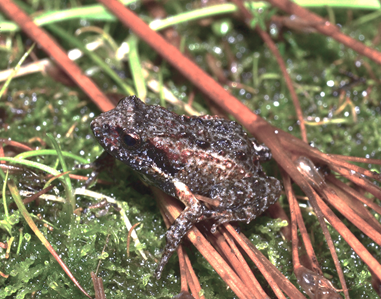
C·I·B student’s frog research wins prize for science communication

The Young Science Communicator’s Competition (YSCC) is an annual competition that challenges young scientists and researchers between the ages of 18 and 35 to communicate their research to a larger audience beyond the scientific community.

Comments Off on C·I·B student’s frog research wins prize for science communication
Read more about the article C·I·B student wins first prize at the 2016/2017 Young Science Communicator’s Competition
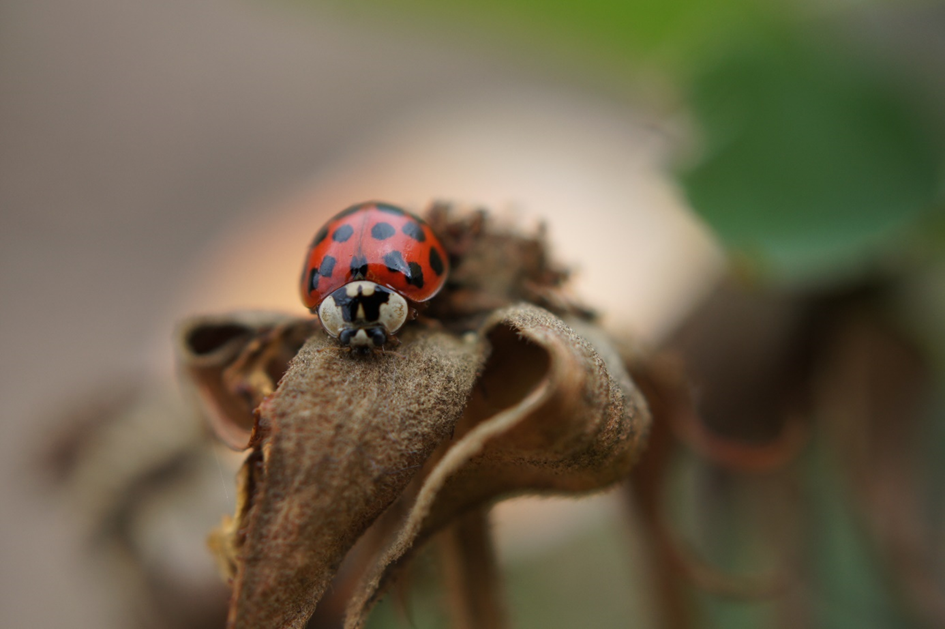
The harlequin ladybird, Harmonia axyridis, is one of the world’s worst invasive insects. It can be distinguished from other ladybirds by the black ‘M’ or ‘W’ on its neck. The number of black spots on its body can vary from 0 to 20, and it can range in colour from light orange to dark red. It is between 0.5 and 1 cm in size. (Photo credit: Ingrid A. Minnaar)

C·I·B student wins first prize at the 2016/2017 Young Science Communicator’s Competition

A popular article about invasive ladybirds by C·I·B PhD student, Ingrid Minnaar, recently awarded her the first prize at SAASTA’s 2016/2017 Young Science Communicator’s Competition (YSCC).

Comments Off on C·I·B student wins first prize at the 2016/2017 Young Science Communicator’s Competition

Flower-feeding weevils: a long-term solution to Bugweed?

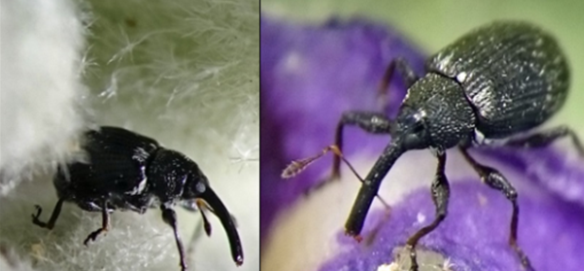
A paper published in the journal Biological Control showed that flower-feeding weevils can be effective biocontrol agents by reducing the number of flowers, fruits and seeds that the invasive tree Bugweed (Solanum mauritianum) produce.

Comments Off on Flower-feeding weevils: a long-term solution to Bugweed?