Read more about the article Unlocking the bottleneck
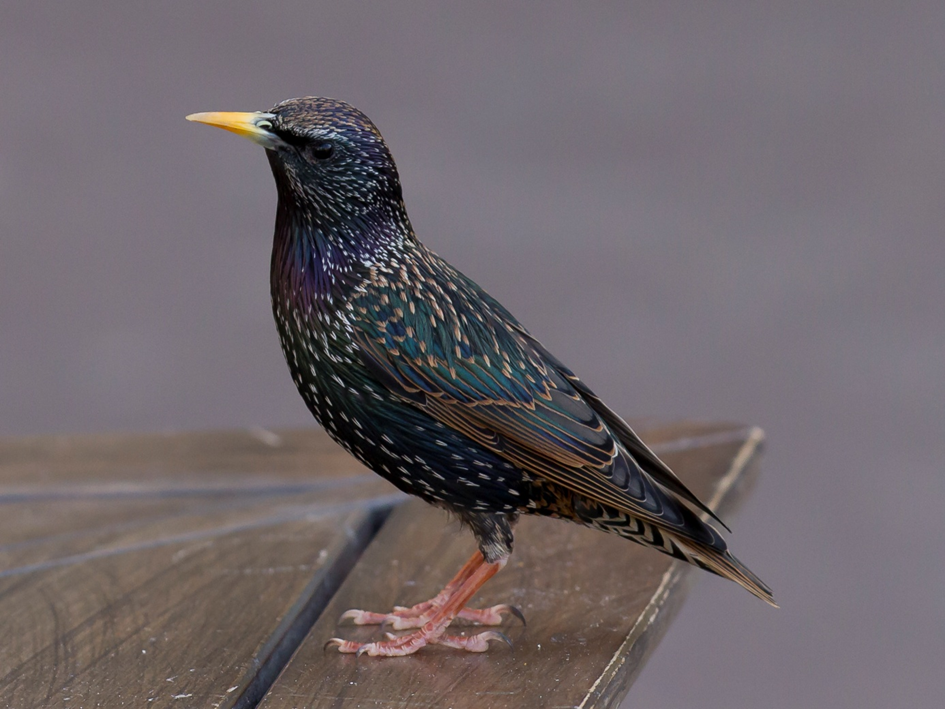
The invasive starling, Sturnus vulgaris. Photo credit: Pierre Selim.

Unlocking the bottleneck

Geographic range expansions by plants and animals have presented a number of puzzles to scientists. The first of these is known as Reid’s paradox: species ranges often expand much faster than expected from normally observed dispersal rates.

Comments Off on Unlocking the bottleneck
Read more about the article Human usage in the native range may determine future genetic structure of an invasion
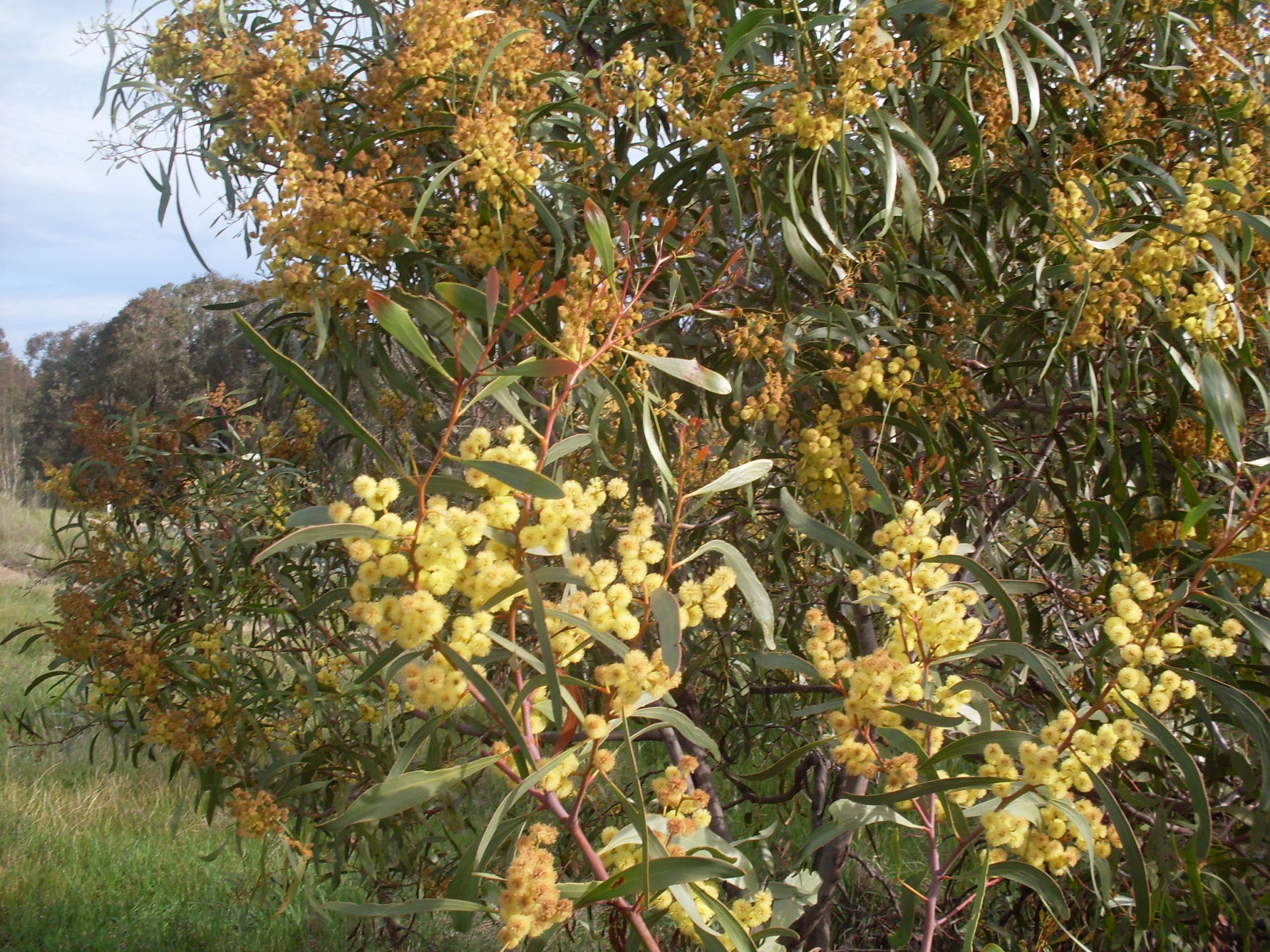
Golden wattles, Acacia pycnantha, are native to Australia. This species, like many others wattles that are invasive in South Africa, has been historically introduced for agroforestry and dune reclamation purposes

Human usage in the native range may determine future genetic structure of an invasion

Quantifying the amount of genetic diversity and how it is distributed within and between populations (genetic structure) has become a major focus in invasion biology. Population genetic structure can be useful as a proxy for the introduction history of a species, e.g. to differentiate between multiple introductions vs. single introductions.

Comments Off on Human usage in the native range may determine future genetic structure of an invasion
Read more about the article Assemblage rules in biological communities affected by invasive species
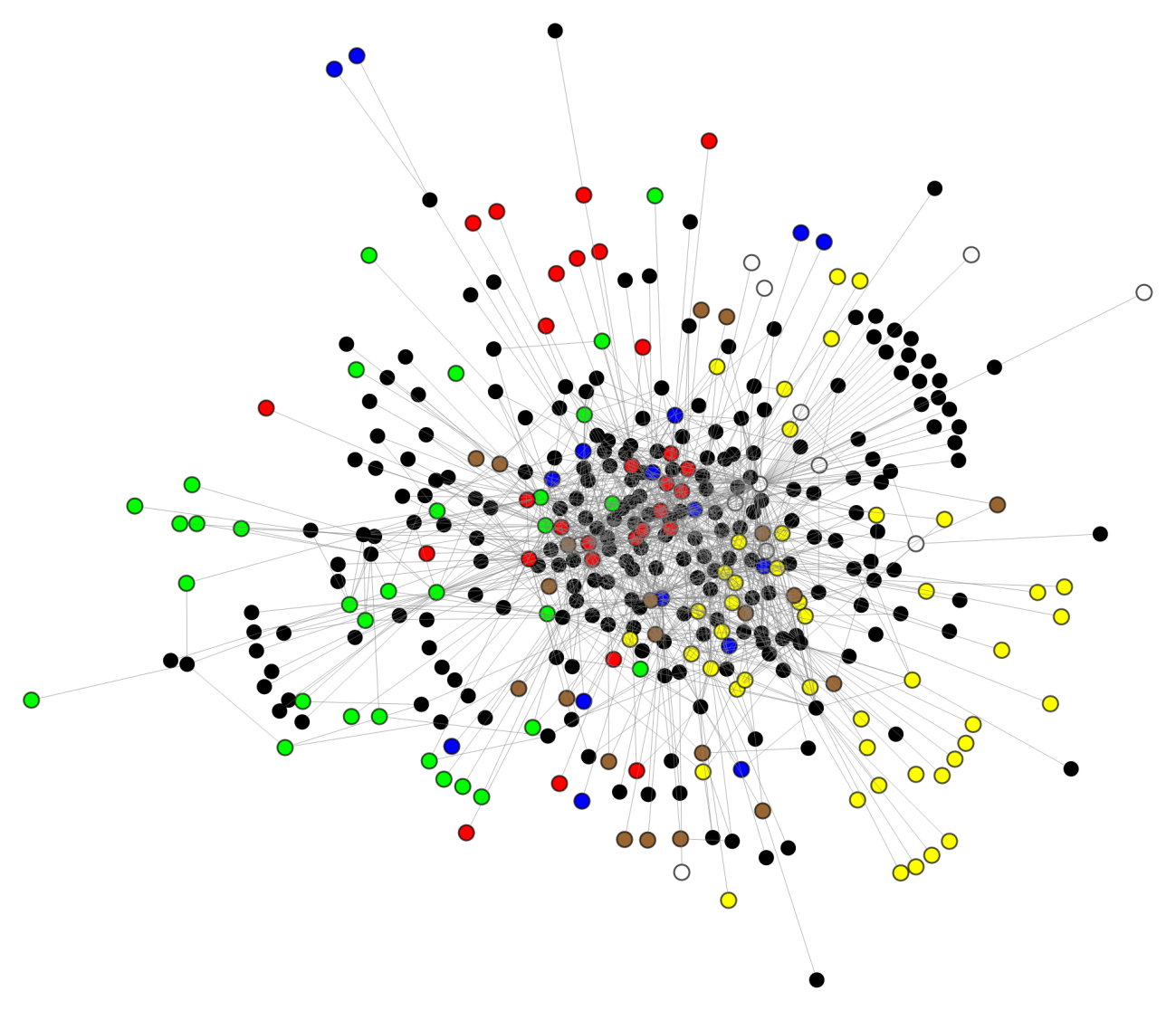
A network illustration of neophytes (colours indicate modules) and reserves (black dots)

Assemblage rules in biological communities affected by invasive species

Environmental managers need to understand the factors that control community composition at different spatial and temporal scales to formulate appropriate guidelines for management. To this end, community assemblage rules explain how species are “packed” in a community and how community composition is related to the niche and traits of species.

Comments Off on Assemblage rules in biological communities affected by invasive species

Human population density explains alien species richness in protected areas

Protected areas are increasingly important in the maintenance of species, ecosystems and the services they provide; at the same time, however, invasions by alien species are accelerating, undermining the conservation value of protected areas and preventing them from achieving their goals. If the invasion of alien species into protected areas is to be prevented, or at least minimised, then a detailed understanding of their drivers is required.

Comments Off on Human population density explains alien species richness in protected areas
Read more about the article The impact of human activity on biodiversity may be greatly underestimated
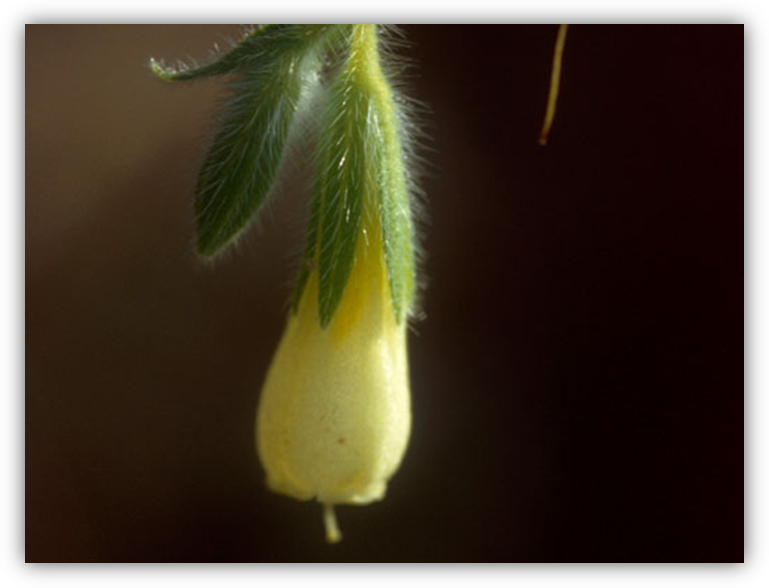
Onosma helvetica ssp. austriaca is an Austrian endemic restricted to dry rocky grasslands in the Wachau region near Vienna. Formerly, it‘s habitats were extensively grazed, but after World War II this extensive land use has been abandoned. Since then, most of its former habitats have been lost due to succession, and currently only three populations are left. Thus, ongoing losses of populations have been triggered by land use changes occurring more than 60 years ago. © F. Essl

The impact of human activity on biodiversity may be greatly underestimated

The effects of environmental pressures on biological extinctions may not be evident for decades after the events, a study finds. Stefan Dullinger, Franz Essl (C·I·B Research Associate), Petr Pyšek (C·I·B Research Associate) and colleagues compared the current number of threatened species in 22 European countries, with contemporary and historic levels of human-caused environmental pressures on biodiversity.

Comments Off on The impact of human activity on biodiversity may be greatly underestimated