Review confirms the value of biological control
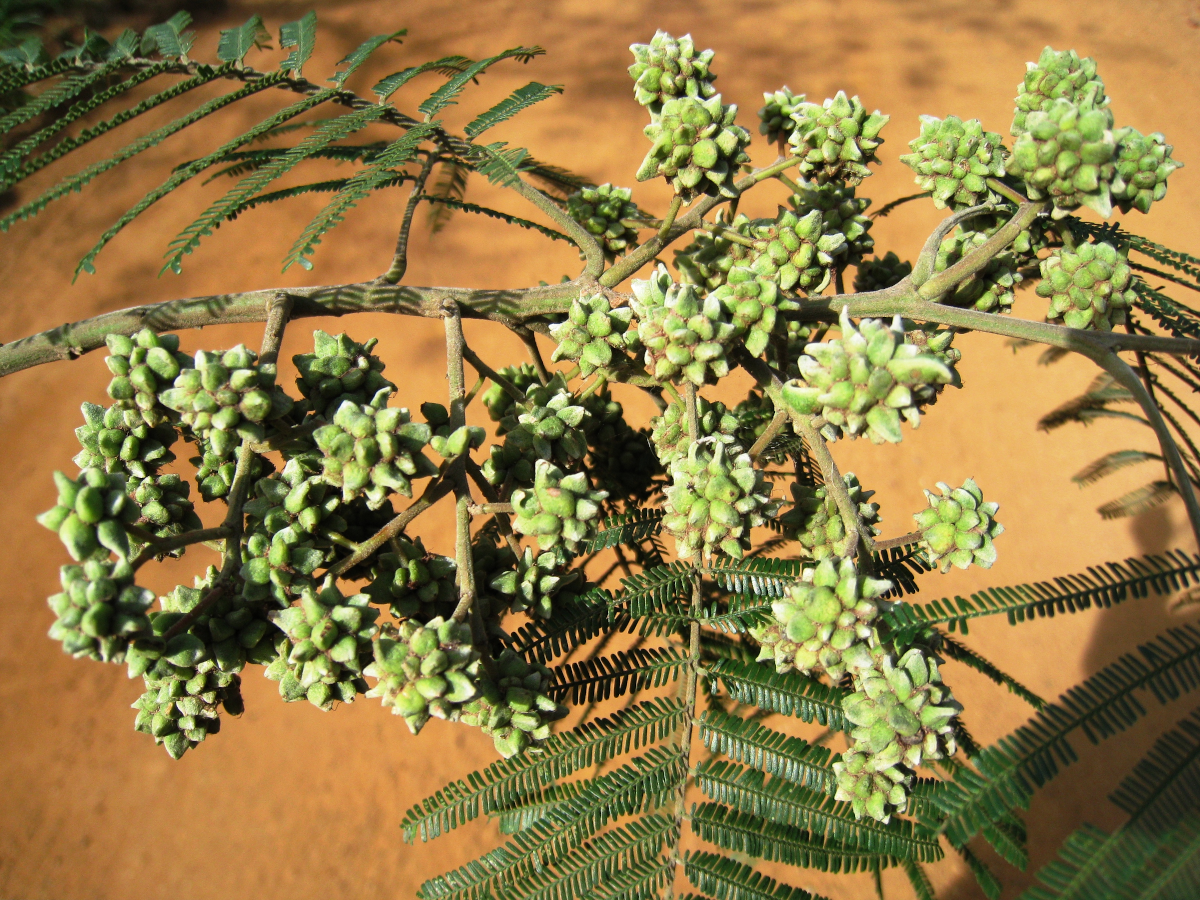
A review of the economic benefits arising from the biological control of invasive alien plants has confirmed that the practice continues to deliver very attractive returns on investment.
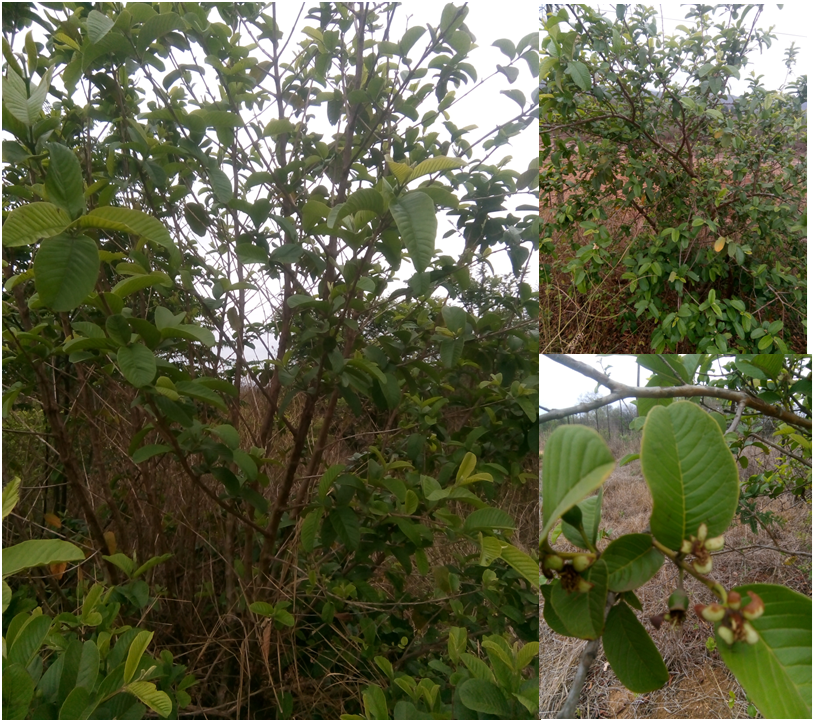
Guava (Psidium guajava L.) is a commercially grown small tree, which also invades pastures and abandoned fields in South Africa. The tree acts as a pioneer species in recovering degraded landscapes thus making ecological restoration a challenge.
Biological invasions are a major threat to already complex social-ecological systems and require the integration of knowledge from various disciplines and stakeholders. Accordingly, there have been strong calls for integrated approaches to developing solutions that address the threat.
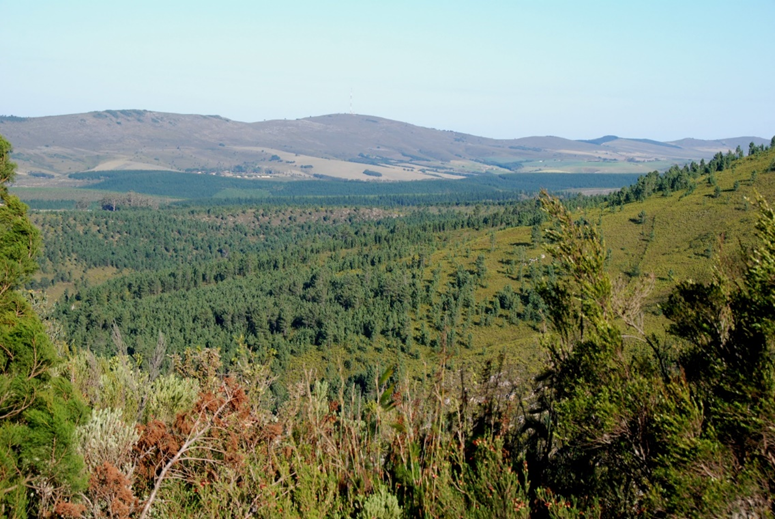
A paper published in the journal Fire Ecology has demonstrated that conversion of natural fynbos vegetation to pine plantations, and subsequent invasion of surrounding land by pine trees, increased the severity of large destructive wildfires in the Knysna region in 2017.
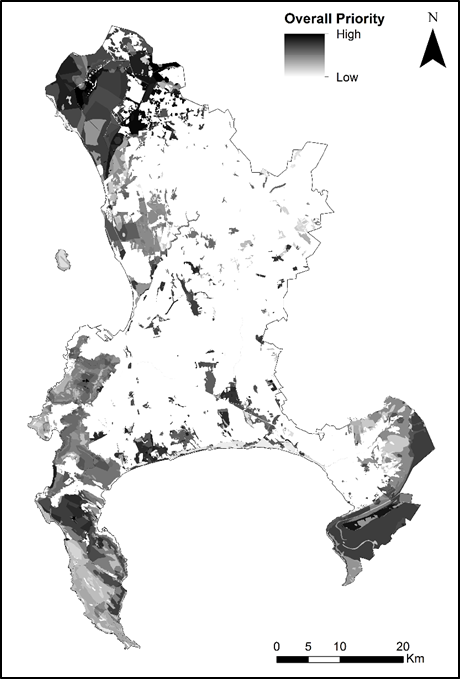
Factors related to human safety and security are most important when prioritising areas for invasive alien plant (IAP) management across the Cape Town metro.