Global insect invasions are difficult to predict from distribution models alone

Non-native invasive insects have major impacts on ecosystem function, agricultural production and human health. To make better predictions of where such species may establish and invade, species distribution models (SDMs) are widely used tools to predict potential distributions and invasion extents across new geographical areas.

Comments Off on Global insect invasions are difficult to predict from distribution models alone
Read more about the article Connecting ecosystem services, disservices and plant invasions
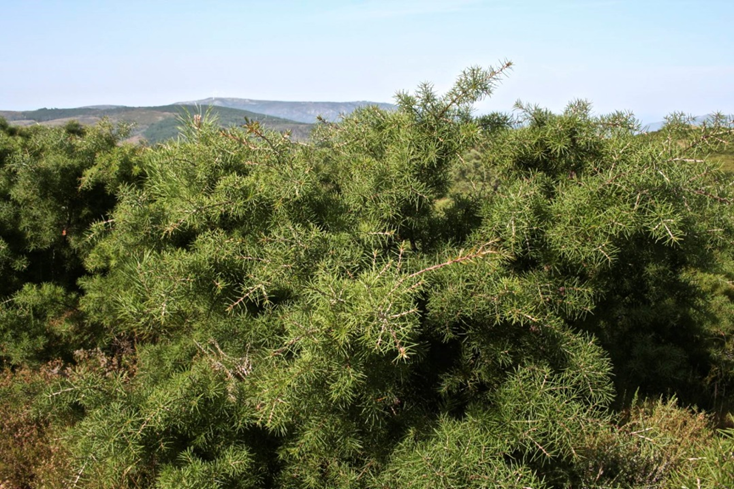
Hakea sericea is an example of an invasive plant providing both services and disservices. This shrub or small tree in the protea family is native to Australia and was introduced in Portugal for afforestation goals. It is currently used by local people in Portugal to provide fences (an ecosystem service), but it also causes physical injury to people (an ecosystem disservice) and reduces recreation opportunities (reduced ecosystem service). Photo credit: Joana Raquel Vicente.

Connecting ecosystem services, disservices and plant invasions

A paper published in the journal Ecosystem Services presents a new classification of ecosystem disservices and a framework for integrating ecosystem services and ecosystem disservices for human well-being linked to ecosystem functioning.

Comments Off on Connecting ecosystem services, disservices and plant invasions
Read more about the article Scoring environmental and socio-economic impacts of alien plants invasive in Europe
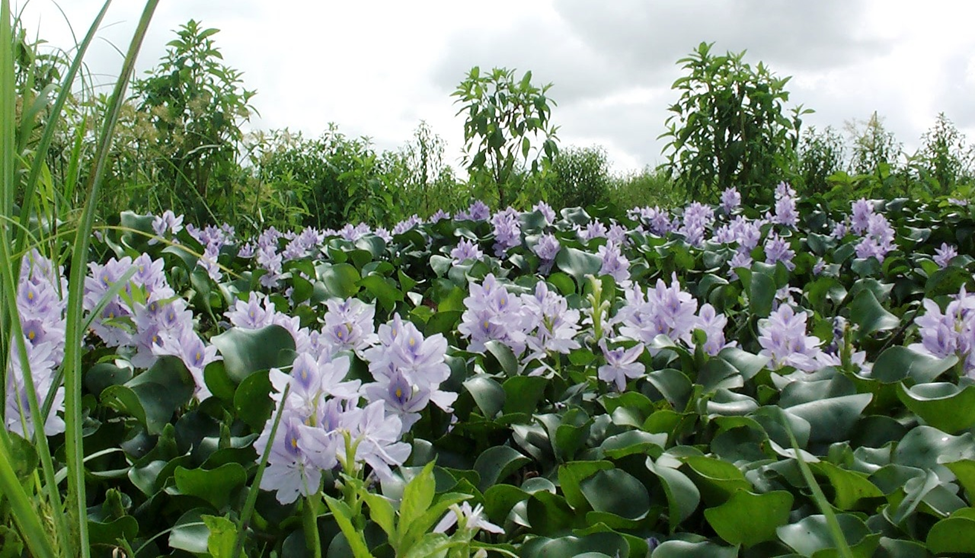
Eichhornia crassipes, commonly known as water hyacinth, is an aquatic plant native to the Amazon basin, and is a highly problematic invasive species outside its native range. (Photo credit: John Wilson)

Scoring environmental and socio-economic impacts of alien plants invasive in Europe

Using the Generic Impact Scoring System (GISS) can be a helpful tool for managers to identify invasive alien plant species with high environmental and social impacts.

Comments Off on Scoring environmental and socio-economic impacts of alien plants invasive in Europe
Read more about the article Lost in translation? The need for standardised marine invasion terminology
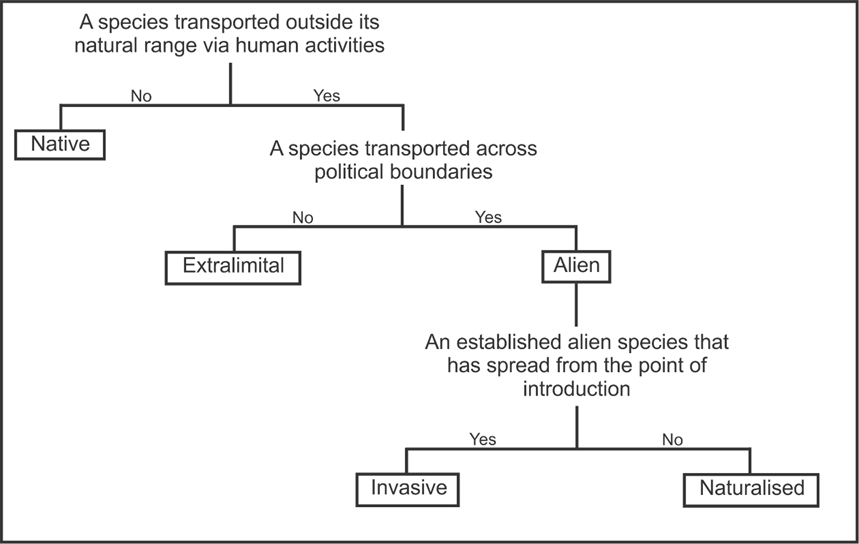
The relationship between invasion biology terms (Graphic by Tammy Robinson)

Lost in translation? The need for standardised marine invasion terminology

Invasion biology as a field has been plagued by the use of confusing terms and definitions. South African marine invasion biology has not been untouched by this peculiarity. While this may at first seems like an academic problem with little real-world relevance, the reality could not be further from the truth.

Comments Off on Lost in translation? The need for standardised marine invasion terminology

Barriers to the management of Prosopis (mesquite), a widespread invasive tree

Species have been moved around the world for many reasons and have led to the rise of biological invasions which are a major driver of ecological and social change globally. One such species, Prosopis (mesquite), has been introduced to over 100 countries globally, both accidently and purposefully to act as an agroforestry tree.

Comments Off on Barriers to the management of Prosopis (mesquite), a widespread invasive tree