Read more about the article Identifying invasion syndromes to improve our capacity of understanding and managing biological invasions
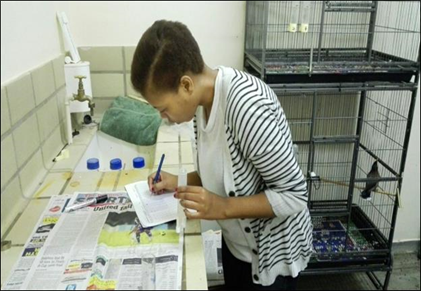
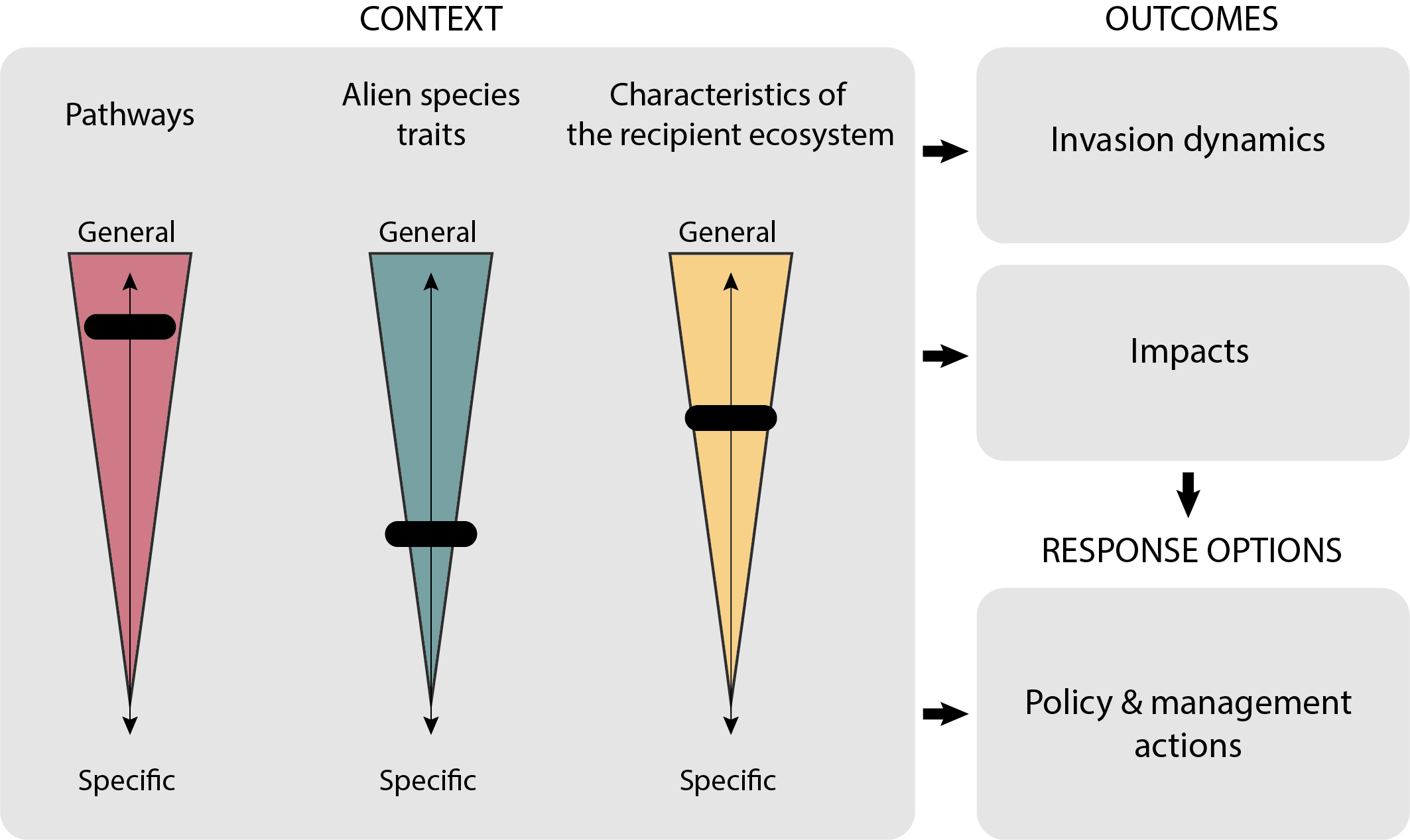
Framework explaining the concept of invasion syndromes

Identifying invasion syndromes to improve our capacity of understanding and managing biological invasions

For decades, invasion scientists have been trying to identify generalisations that can allow us to understand which species will become invasive in the future, where and how they will be introduced, which impacts they will have in the invaded areas, and how we can efficiently manage them.

Comments Off on Identifying invasion syndromes to improve our capacity of understanding and managing biological invasions

Review confirms the value of biological control

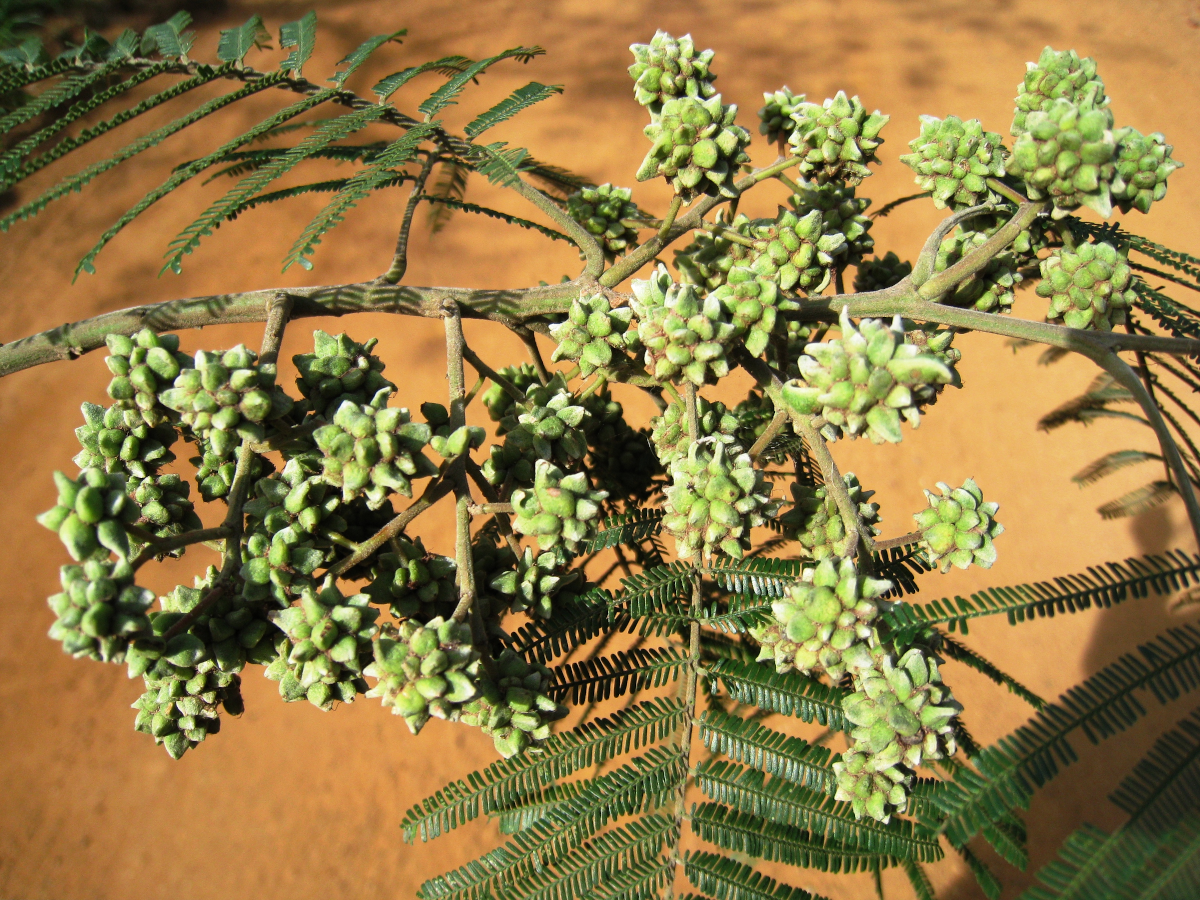
A review of the economic benefits arising from the biological control of invasive alien plants has confirmed that the practice continues to deliver very attractive returns on investment.

Comments Off on Review confirms the value of biological control
Read more about the article Accounting for commonness and rarity of species in turnover to understand biological invasions
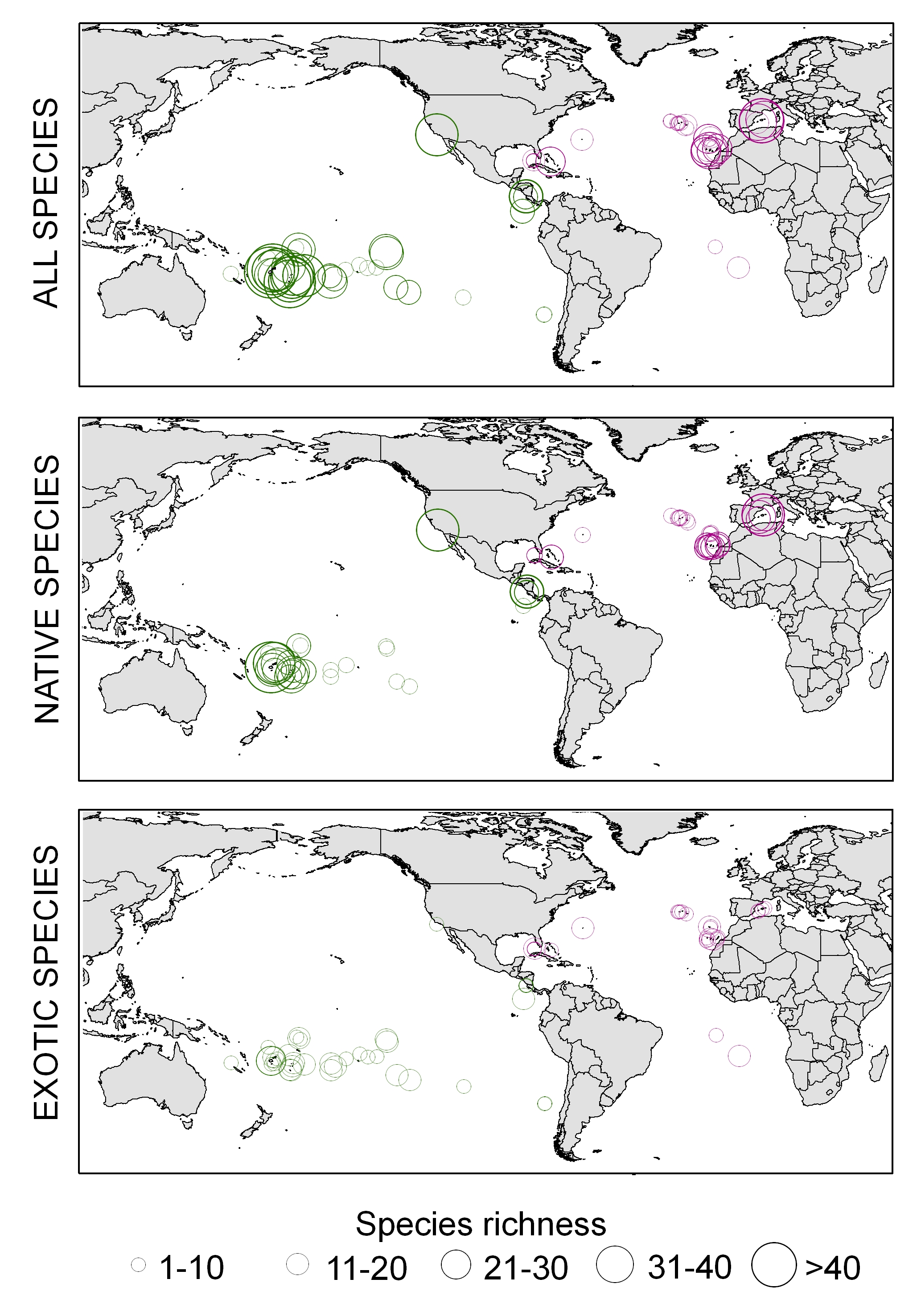
Map of the 42 Pacific and 36 Atlantic islands considered in Latombe et al. (2019). The size of the symbols represents the ant richness of the islands for the subset of species considered (All, Natives, Exotics)

Accounting for commonness and rarity of species in turnover to understand biological invasions

Understanding how patterns of species turnover differ between alien and native communities while accounting for species rarity and commonness unveils potential context-dependent mechanisms of invasion.

Comments Off on Accounting for commonness and rarity of species in turnover to understand biological invasions

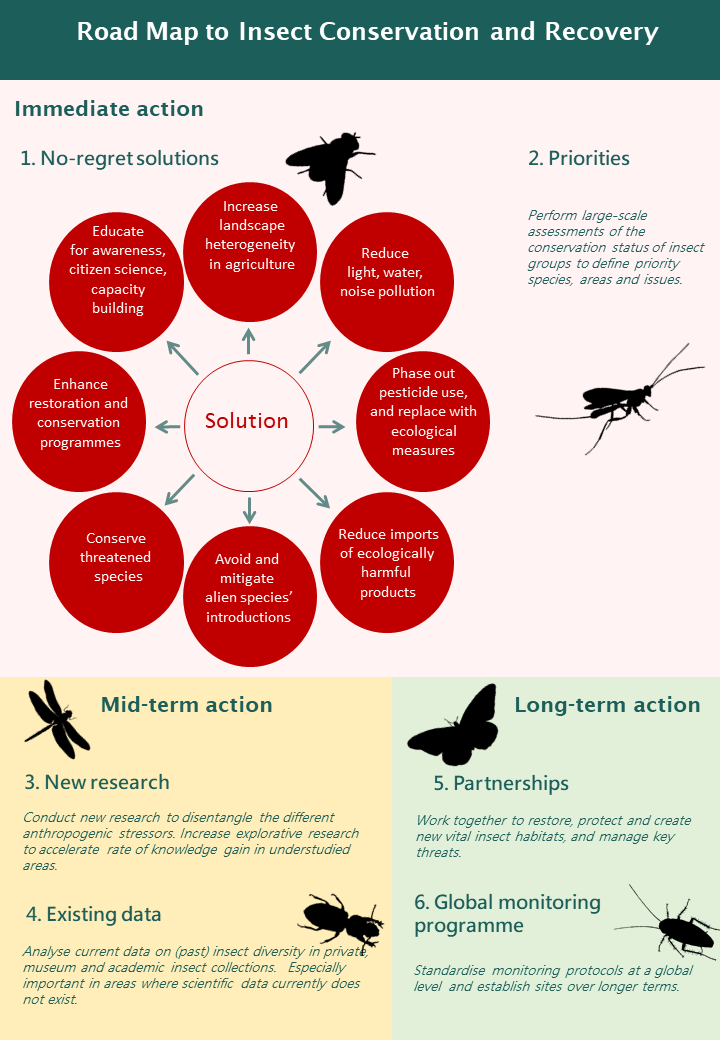
Protect the bugs, protect the planet: Invertebrate conservation is key in safeguarding global biodiversity and ecosystem function

Much of the world’s ecosystems require diverse and abundant insect communities to function, yet conservation efforts, typically, overlook this widespread taxonomic group. For this reason, there is a clear need to identify threats and swiftly develop strategies to protect invertebrates.

Comments Off on Protect the bugs, protect the planet: Invertebrate conservation is key in safeguarding global biodiversity and ecosystem function