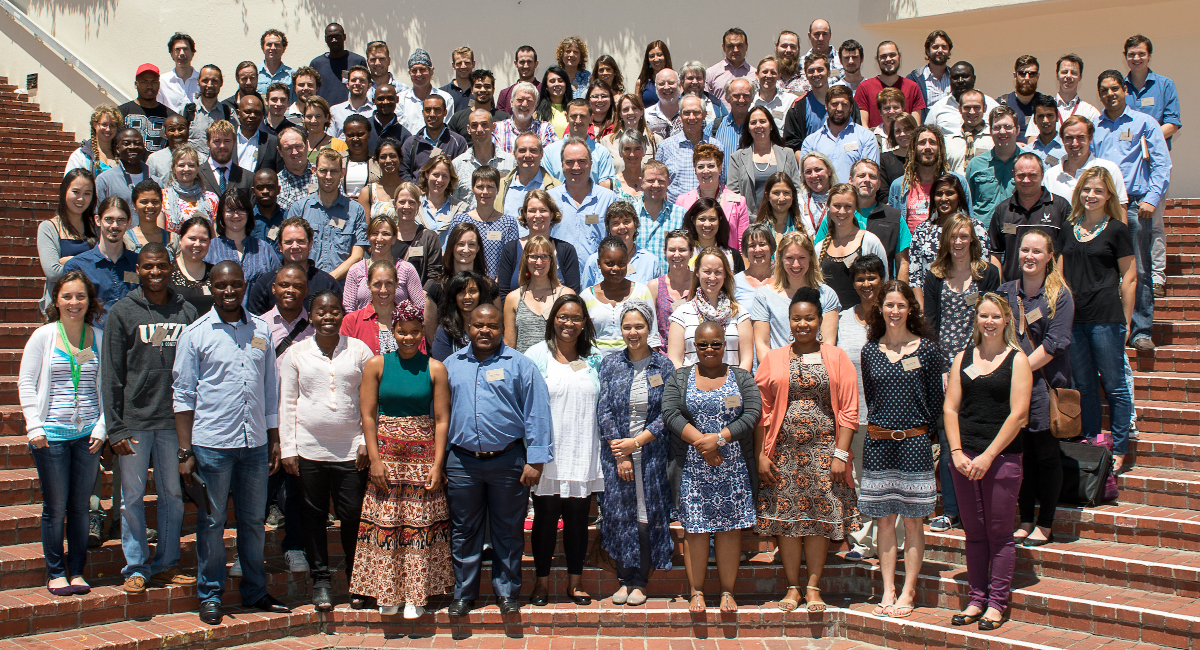
C·I·B shows off with research excellence from students
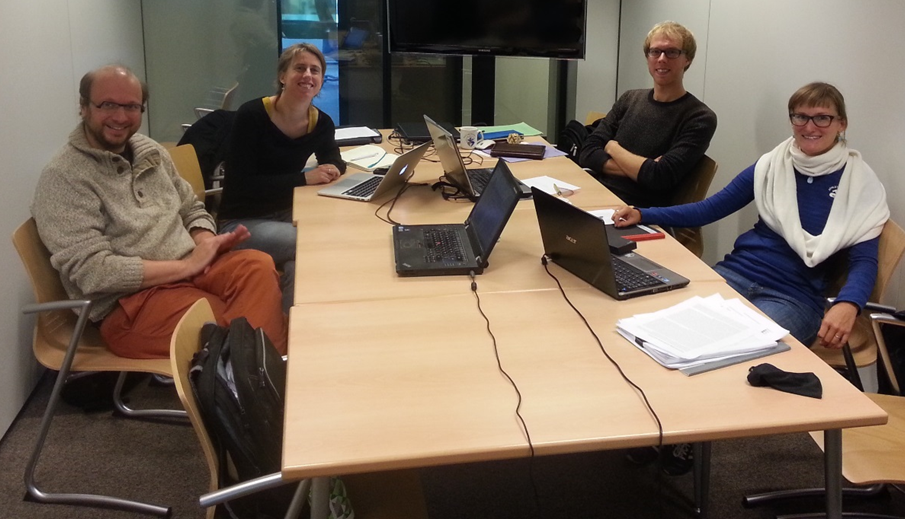
South African’s top invasion scientists met last week for the Centre for Invasion Biology’s annual Research Meeting. The meeting, which was held from 12 to 13 November 2015 in Stellenbosch.
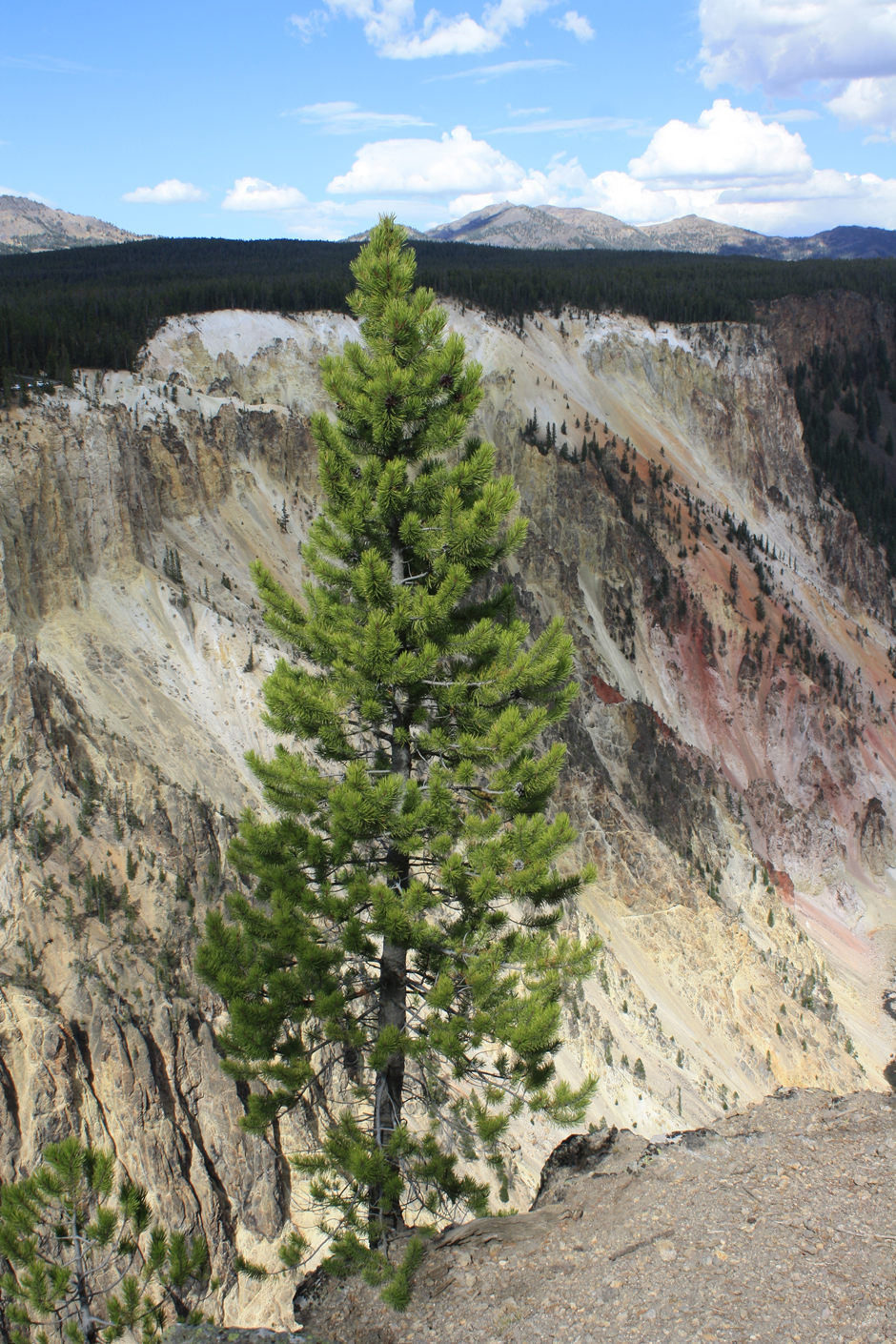
There has been a heated debate in Central Europe on the invasiveness of alien trees, including species like Tree of heaven (Ailanthus altissima), Black cherry (Prunus serotina), Boxelder (Acer negundo), Northern red oak (Quercus rubra) and Black locust (Robinia pseudoaccacia). The discussion includes conservationists on the one hand, who argue that alien species are causing impacts on native ecosystems, and that they should not be cultivated. On the other hand, foresters make the point that these species are crucial for the economy, and that the impacts described by conservationists are not accurately addressed, and exaggerated.
Understanding why some introduced species are more successful at establishing and spreading than others is a substantial challenge for managing and conserving indigenous biodiversity.
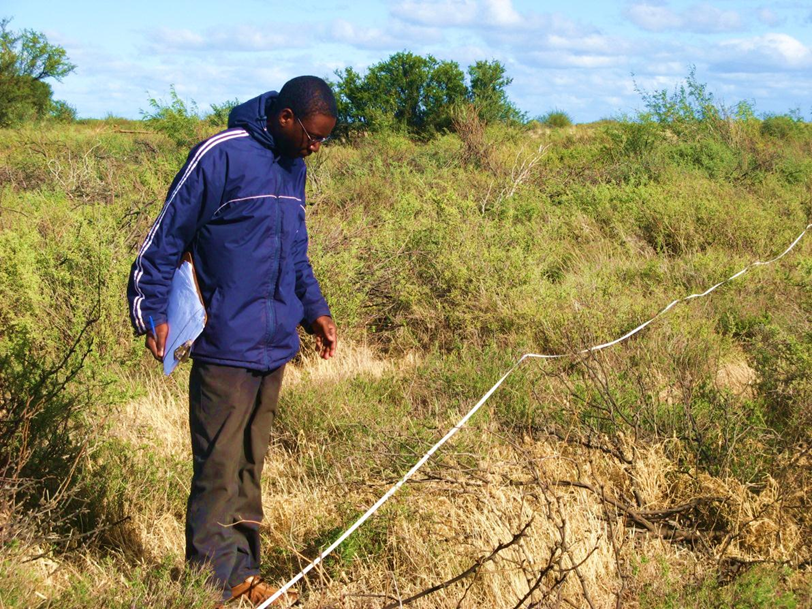
Nama karoo rangelands are vulnerable to overgrazing and consequently soil erosion, but what of the impact of invasive plants? With most research focussing on the impact of alien plants on South Africa’s water resources, the costs of plant invasions on other ecosystem services, such as soil retention, remain understudied
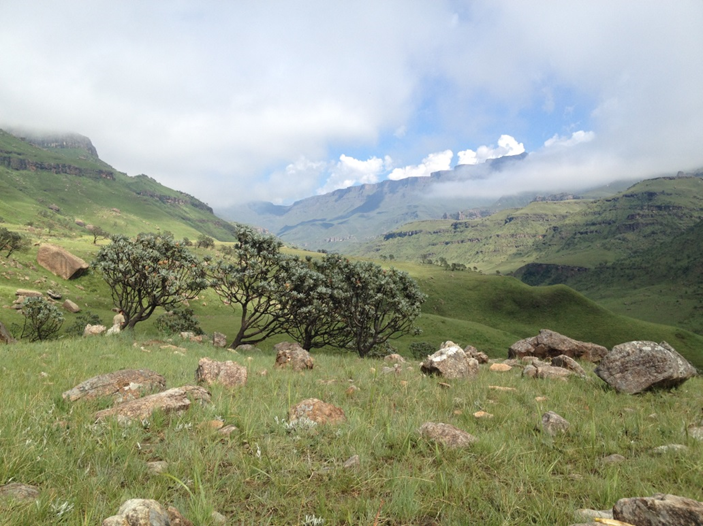
A recent study by C·I·B and University of Liverpool student Tom Bishop and supervisors Mark Robsertson, Berndt Janse van Rensburg and Catherine Parr has asked how the composition of ant groupings changes across environmental gradients.