C·I·B and OneSTOP partnership celebrates first year of progress
C·I·B and OneSTOP partnership celebrates first year of progress
Comments Off on C·I·B and OneSTOP partnership celebrates first year of progress
12 March 2026

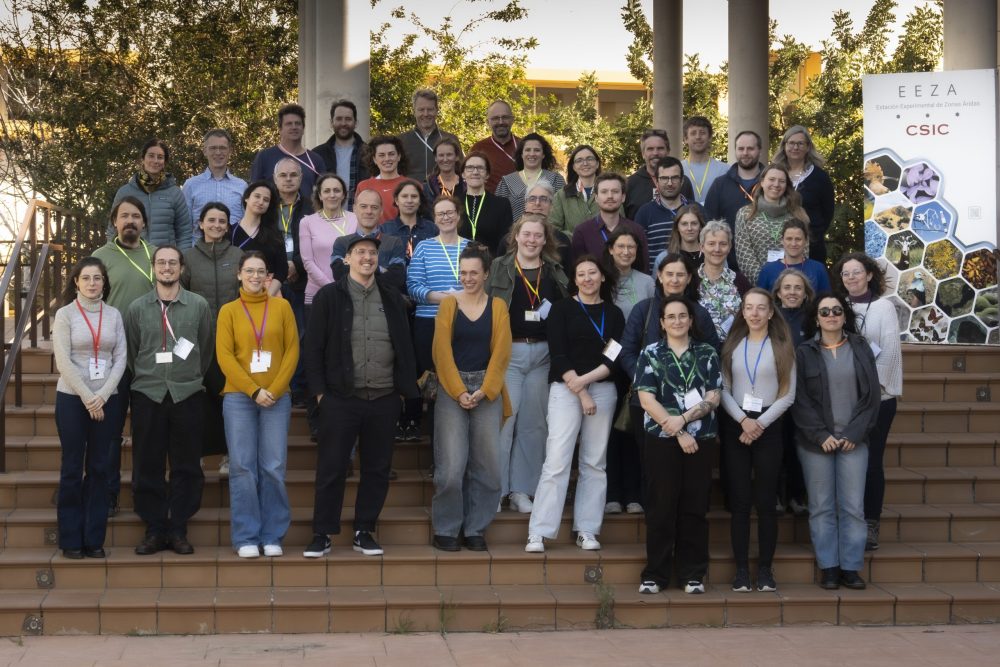
C·I·B and OneSTOP partnership celebrates first year of progress
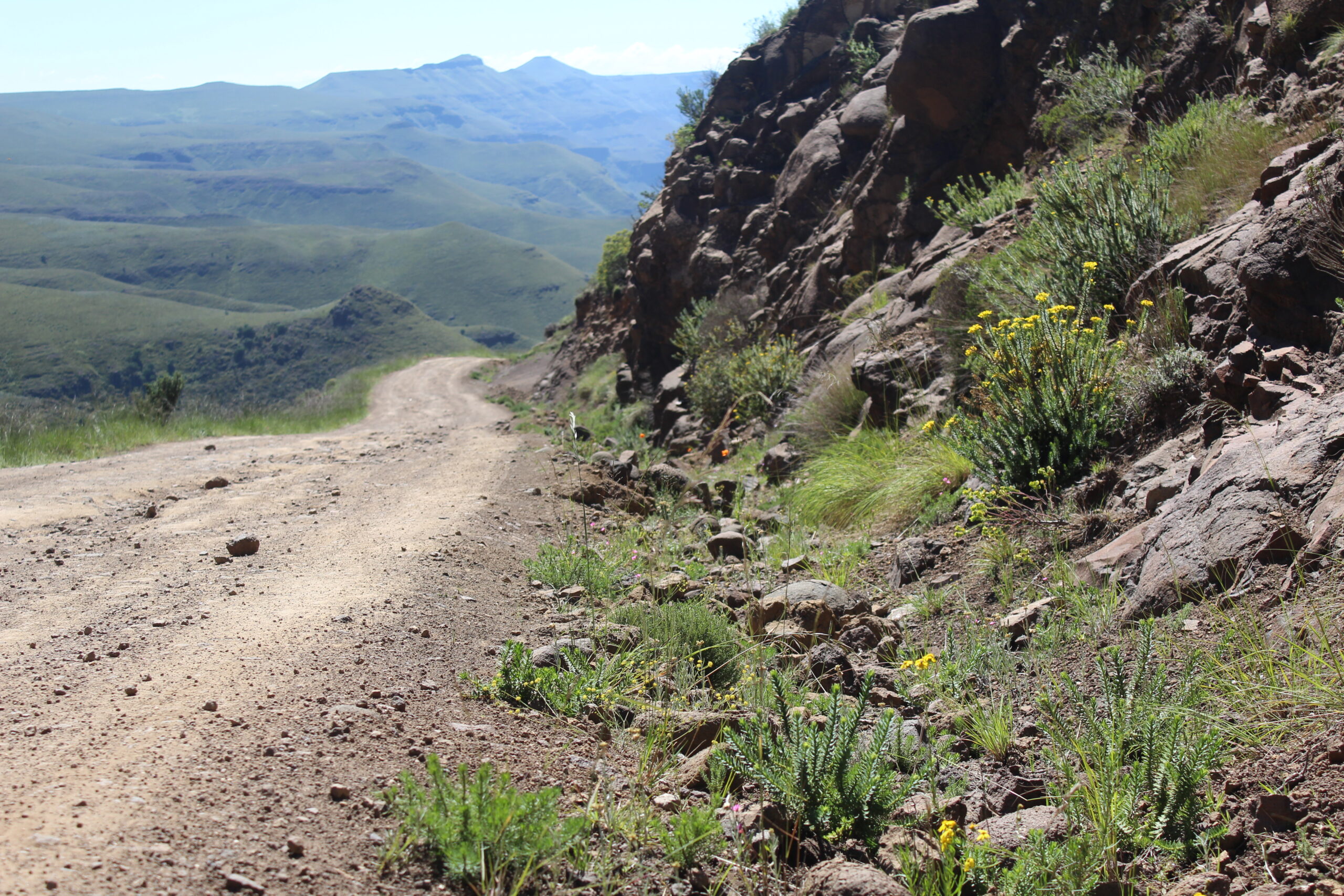
A study by Jesse Kalwij, former C∙I∙B MSc student, Sophia Turner, and C∙I∙B Core Team member, Karen Esler, shows that human activities are the primary cause of exotic species introduction and expansion up the Sani Pass, as well as from the disturbed road verges into the adjacent natural area.
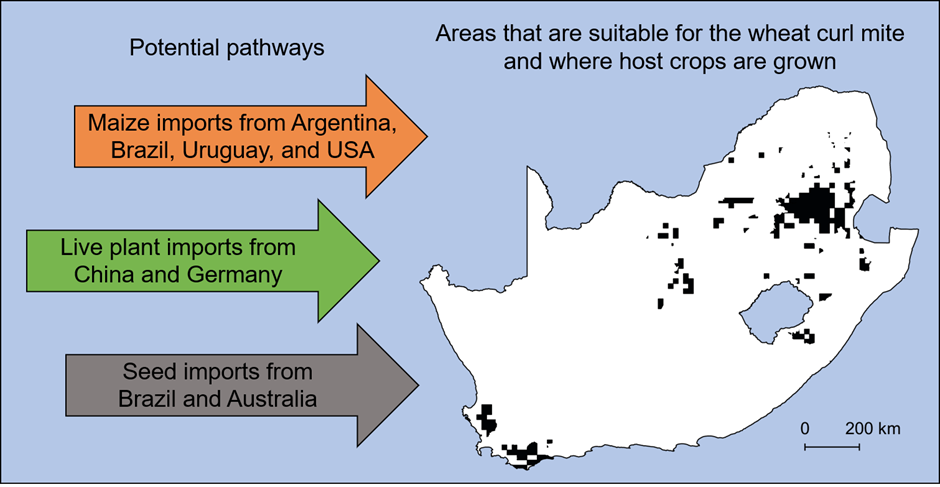
Alien pests of agriculture cause billions of Rands’ worth of damage to South African crops every year. Knowledge on which pests could pose a threat in the future is vital to inform South Africa’s biosecurity.
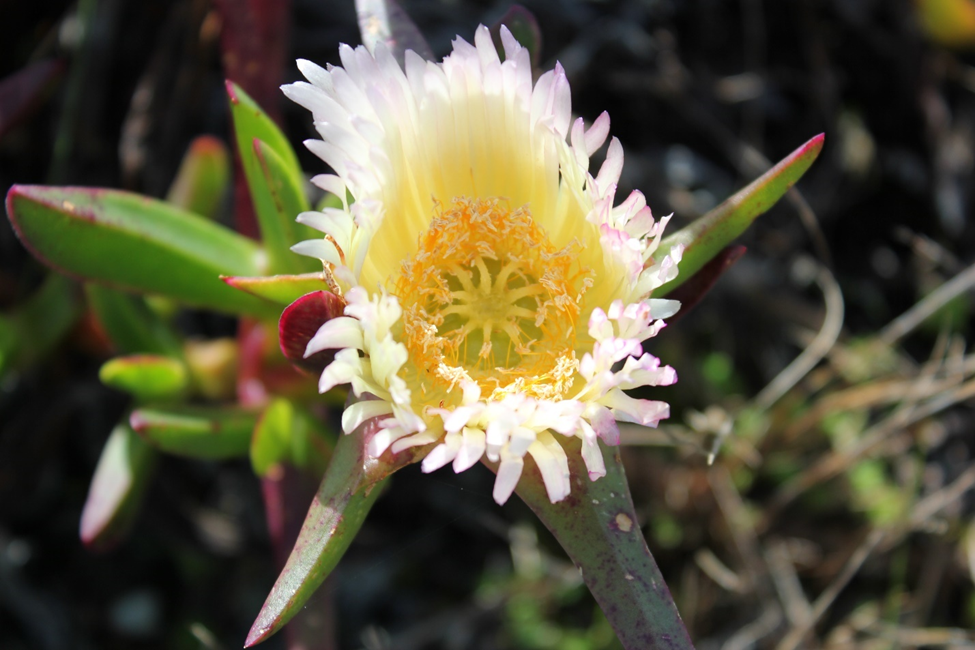
The invasive plant sour fig (Carpobrotus edulis: also known as Hottentot-fig, ice plant, highway ice plant, or pigface) can have a clear impact reducing the abundance of native invertebrates, with substantial effects on herbivores.
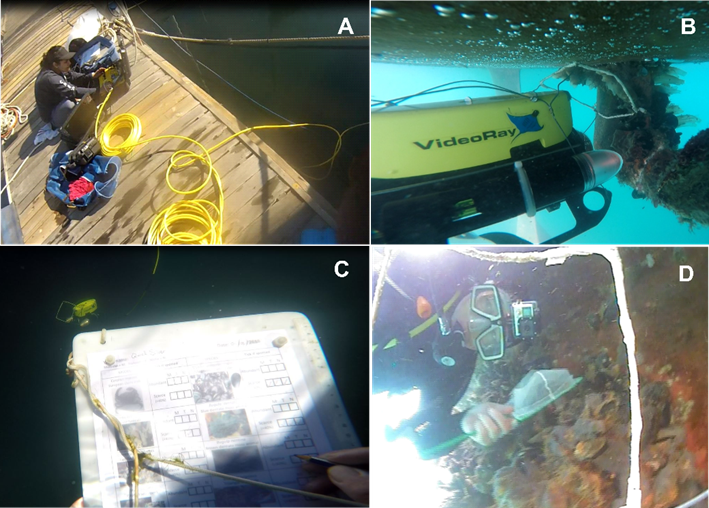
The most effective method to sample recreational vessels for marine alien fouling species is to combine diver-based and lab-based methods, a study reported. Published in the Journal of Environmental Management, the study was conducted by C·I·B Post-doctoral associate, Koebraa Peters, C·I·B Core Team Member, Tammy Robinson and SANBI’s Marine Programme Manager, Kerry Sink.
