Read more about the article Being an efficient dispersal vector in birds
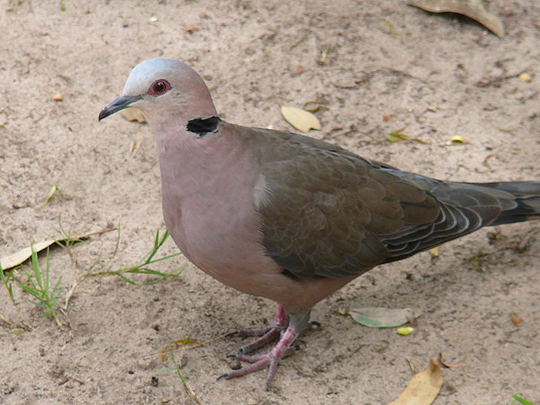
One of the bird species in the study, the red-eyed dove (Streptopelia semitorquata) (Photo credit: Wikimedia Commons, Atamari)

Being an efficient dispersal vector in birds

A recent study by Thabiso Mokotjomela (Research Fellow, University of the Witwatersrand) and colleagues at the C·I·B (core team members Karen Esler & Colleen Downs) found that a few garden birds, such as the red-winged starlings can help the spread of alien invasive plants.

Comments Off on Being an efficient dispersal vector in birds

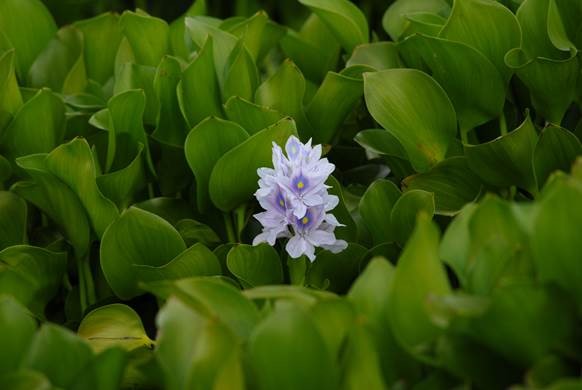
Barriers to the management of Prosopis (mesquite), a widespread invasive tree

Species have been moved around the world for many reasons and have led to the rise of biological invasions which are a major driver of ecological and social change globally. One such species, Prosopis (mesquite), has been introduced to over 100 countries globally, both accidently and purposefully to act as an agroforestry tree.

Comments Off on Barriers to the management of Prosopis (mesquite), a widespread invasive tree
Read more about the article New approaches to compile “100 of the worst” lists
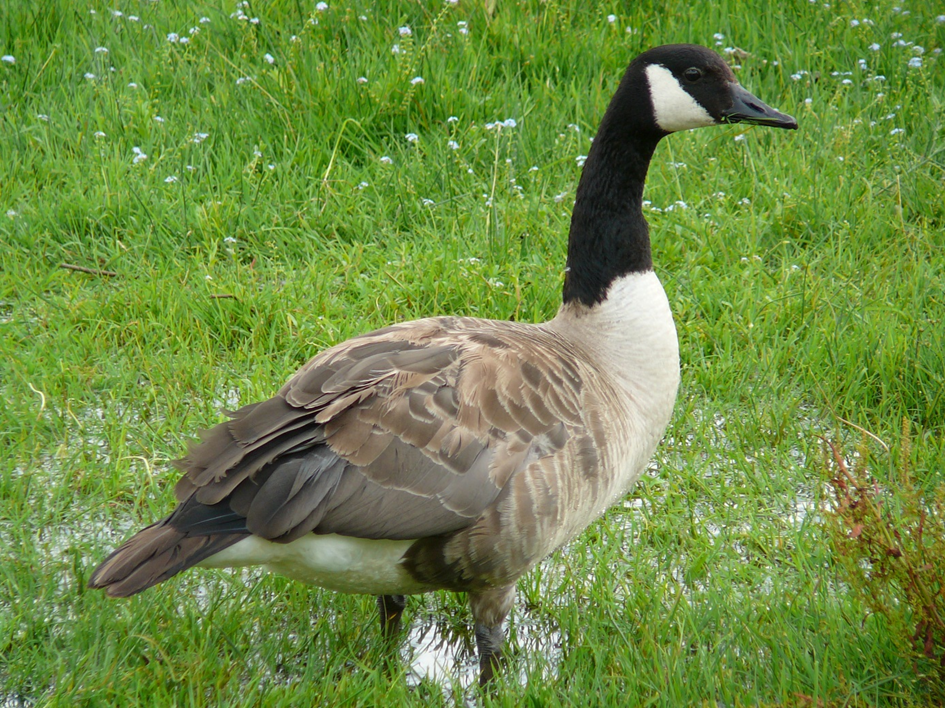
The Canada goose (Branta canadensis), reaching the highest impact score amongst the birds so far assessed.

New approaches to compile “100 of the worst” lists

A recent paper by Sabrina Kumschick, C·I·B Core Team Member, together with C·I·B Director Dave Richardson and C·I·B Associate Tim Blackburn investigated whether the birds on the “100 worst” lists are indeed worthy of this honour.

Comments Off on New approaches to compile “100 of the worst” lists
Read more about the article Study shows invasive species can have cross-ecosystem impacts
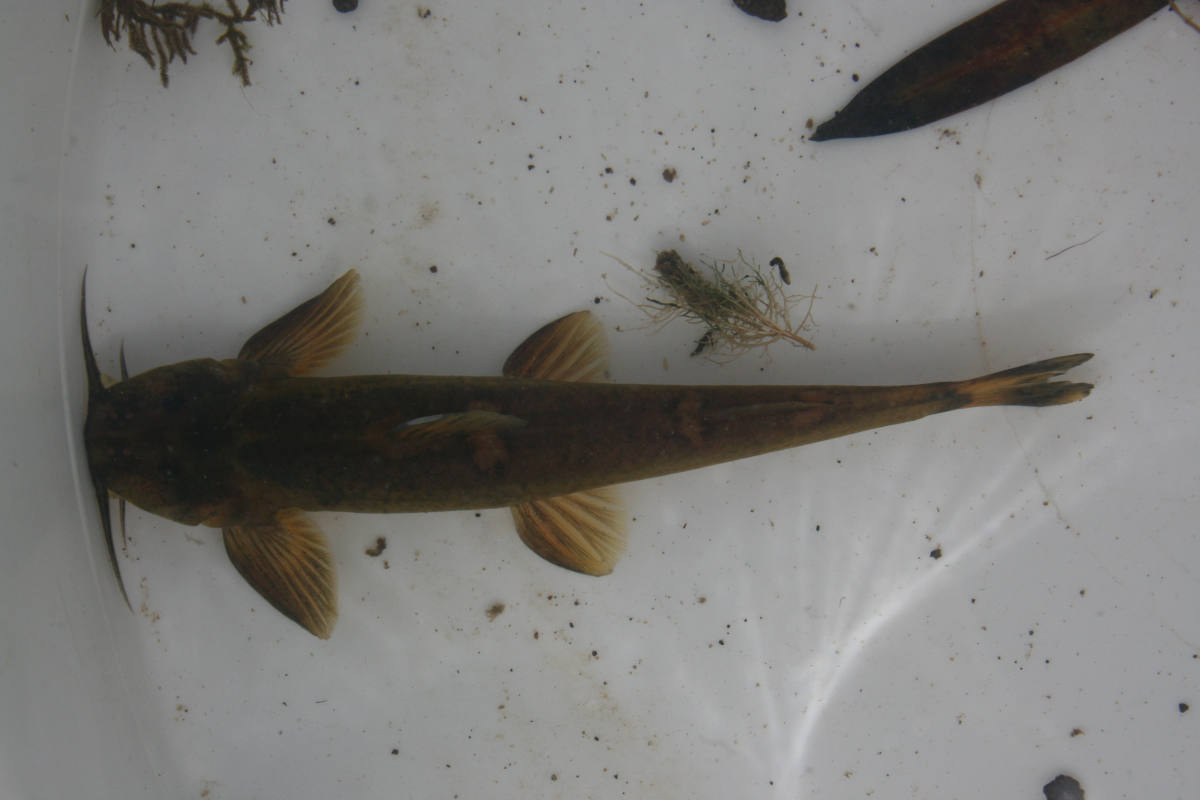
The native fish species, the mountain catfish (Amphilius natalensis)

Study shows invasive species can have cross-ecosystem impacts

A recent study by C·I·B post-doctoral fellow, Michelle Jackson, found that invasive species can have effects that reach across different ecosystems.

Comments Off on Study shows invasive species can have cross-ecosystem impacts