And a river runs through it
What would researchers at the Centre for Invasion Biology and students of the UCT’s new Environmental Humanities MPhil course have to say to each other?
Comments Off on And a river runs through it
25 May 2015

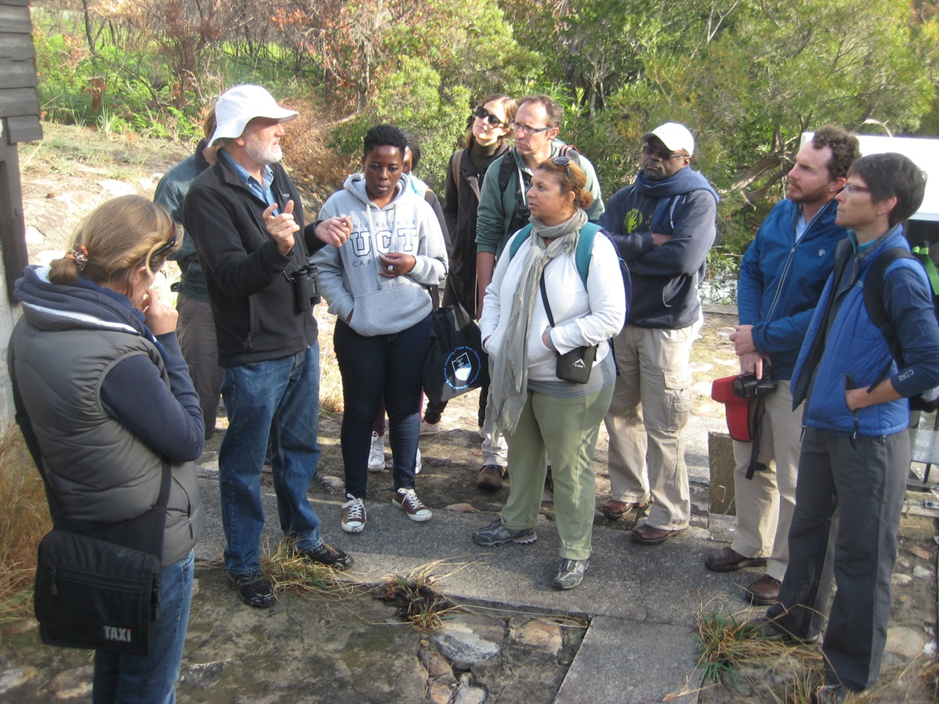
What would researchers at the Centre for Invasion Biology and students of the UCT’s new Environmental Humanities MPhil course have to say to each other?
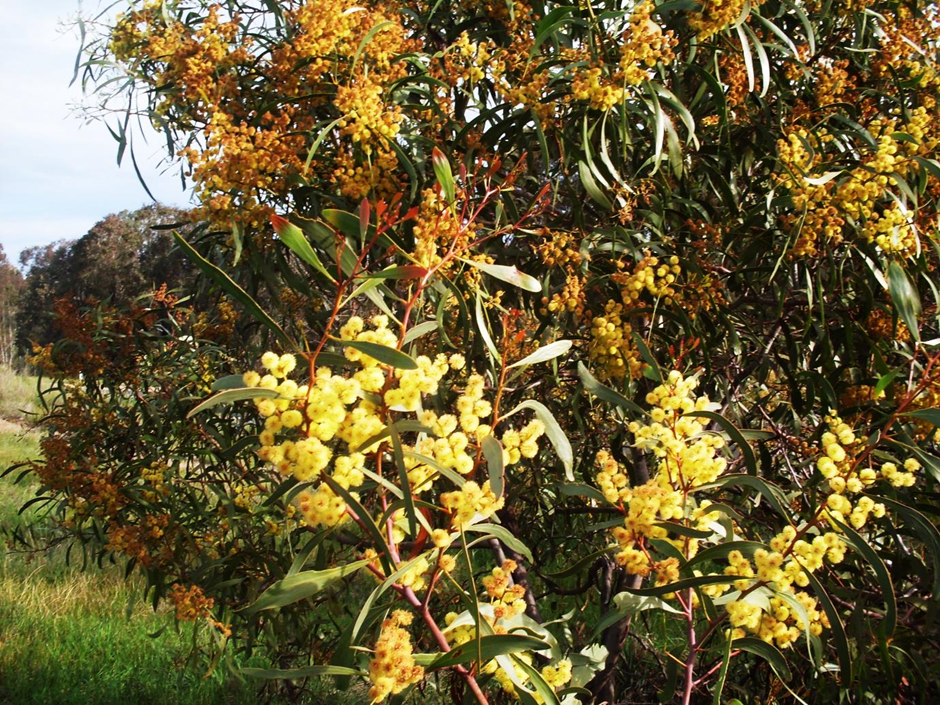
Making decisions about the clearing of invasive alien plants is not an easy process. Despite a plethora of academic literature and practical examples, managers continue to rely on experience and anecdotes instead of using scientific findings.
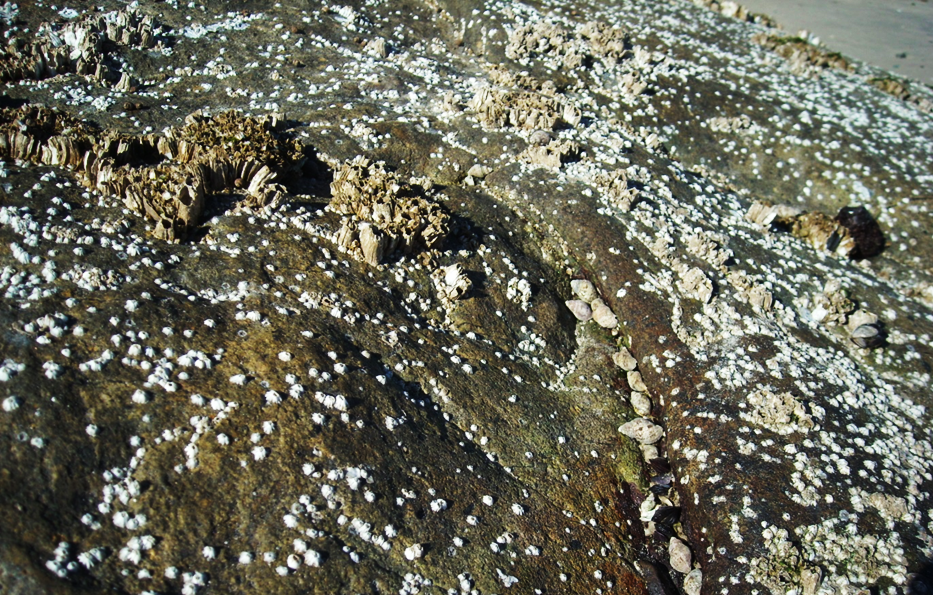
The alien barnacle Balanus glandula has been rapidly spreading down the South African west coast and recently moved east around Cape Point. This left researchers wondering how it is able to spread so far and why it is spreading so fast.
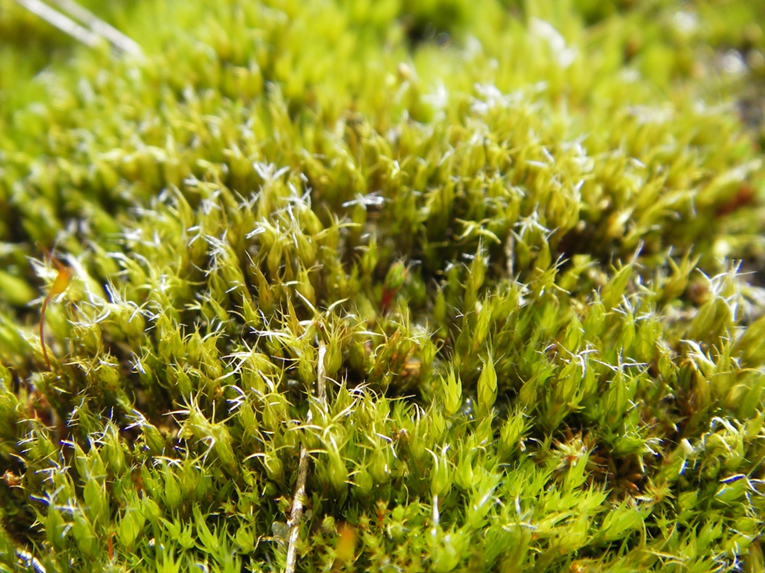
A new study led by C·I·B associate Franz Essl (University of Vienna) and published in Ecography provides the first comprehensive assessment of the environmental and anthropogenic (caused or produced by humans) factors driving bryophyte invasions worldwide.
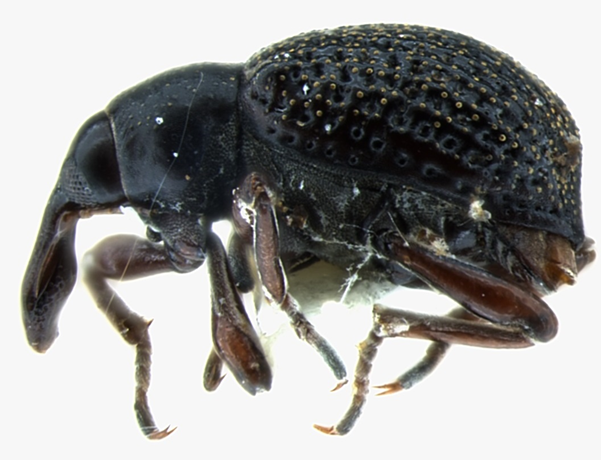
The water fern (Salvinia molesta) is an aggressive invader of freshwater systems where it affects the services that these ecosystems deliver. Fortunately, the use of a natural enemy of the water fern (a biological control agent), the weevil (Cyrtobagous salviniae) has been highly successful in many countries, including South Africa where the water fern is no longer considered to be problematic.
