Read more about the article Bumblebees, stay out!
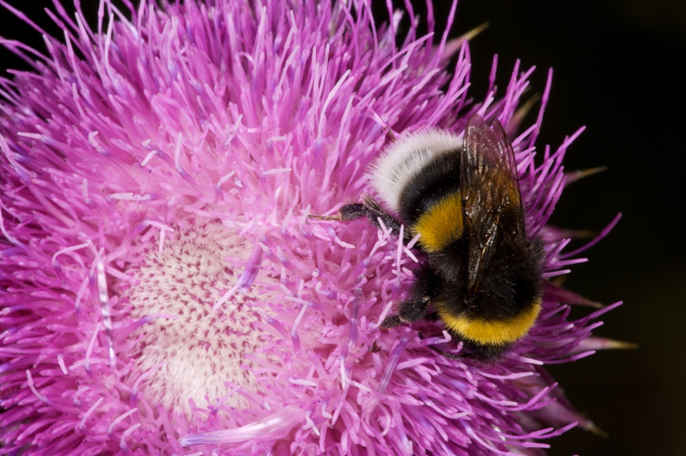
The large earth bumblebee Bombus terretris pollinating the nodding thistle Cardus nutans in Argentina where it is invasive (Photo credit: Anton Pauw)

Bumblebees, stay out!

An article in Farmers weekly on the use of bumblebees for applying pesticide to flowers stimulated a response from several South African scientists, including C·I·B researchers Dave Richardson, Steven Johnson and C·I·B PhD graduate James Rodger. Although the pesticide has not been approved for use in South Africa, the article said, quite incorrectly, that nothing stops South African farmers from using bumblebees for pollination in the meantime.

Comments Off on Bumblebees, stay out!

Ecological Footprint and biocapacity: the misconception of unsustainable development

Since the concept of sustainable development was put forward by the World Commission on Environment and Development in 1987, it has become an ideal development approach and policy goal. Among the indicators of sustainable development is the ecological footprint methodology.

Comments Off on Ecological Footprint and biocapacity: the misconception of unsustainable development
Read more about the article The impact of human activity on biodiversity may be greatly underestimated
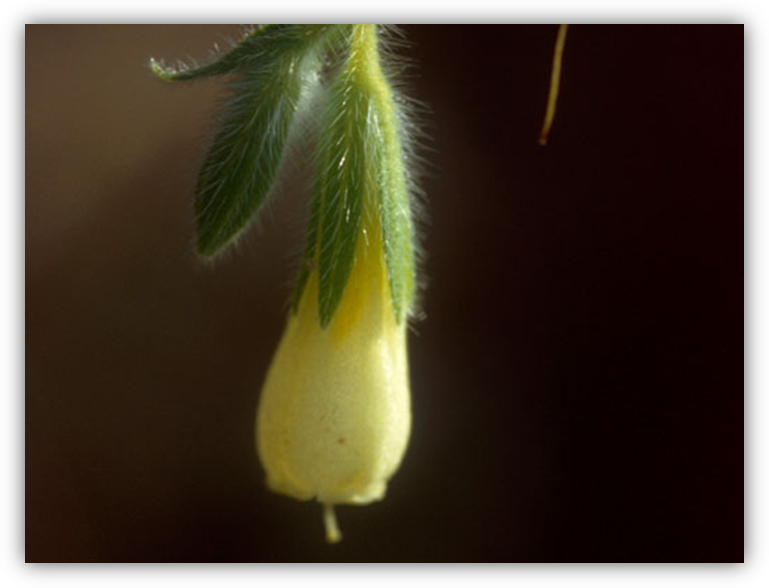
Onosma helvetica ssp. austriaca is an Austrian endemic restricted to dry rocky grasslands in the Wachau region near Vienna. Formerly, it‘s habitats were extensively grazed, but after World War II this extensive land use has been abandoned. Since then, most of its former habitats have been lost due to succession, and currently only three populations are left. Thus, ongoing losses of populations have been triggered by land use changes occurring more than 60 years ago. © F. Essl

The impact of human activity on biodiversity may be greatly underestimated

The effects of environmental pressures on biological extinctions may not be evident for decades after the events, a study finds. Stefan Dullinger, Franz Essl (C·I·B Research Associate), Petr Pyšek (C·I·B Research Associate) and colleagues compared the current number of threatened species in 22 European countries, with contemporary and historic levels of human-caused environmental pressures on biodiversity.

Comments Off on The impact of human activity on biodiversity may be greatly underestimated
Read more about the article Invasion patterns of an invasive agricultural weed
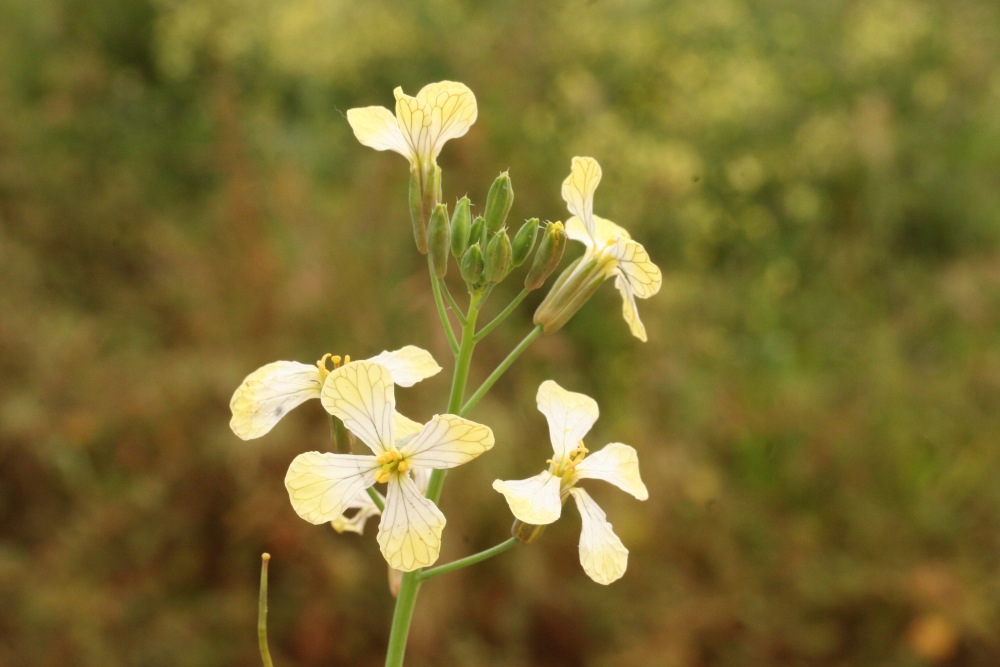
Flowers of wild radish, Raphanus raphanistrum

Invasion patterns of an invasive agricultural weed

The process of biological invasion involves the movement of propagules, be they individuals, seeds or pollen, from one area to another area. The success and rate of introduced species establishment and reproduction in the new area rest, among other factors, on existing landscape features and anthropogenic disturbance, for example, agricultural activities.

Comments Off on Invasion patterns of an invasive agricultural weed
Read more about the article C·I·B researchers make waves at European aquatic invasions conference
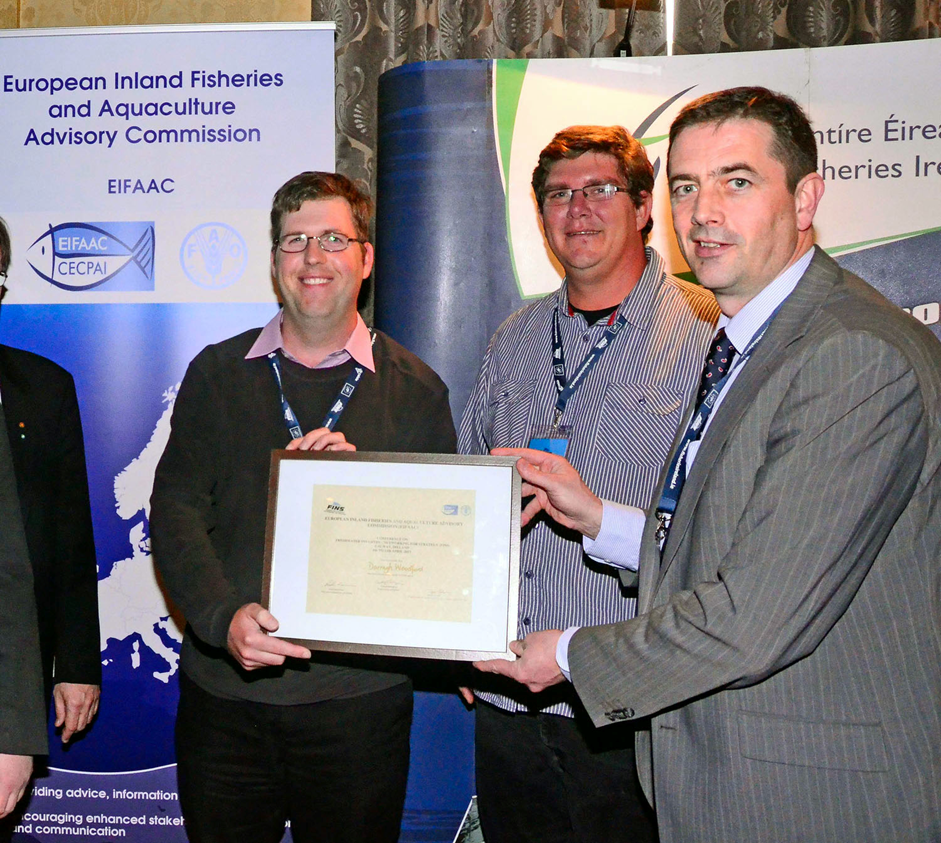
SAIAB/CIB Postdoctoral fellow Dr Darragh Woodford (left) is presented the EIFAAC award for best poster at the FINS conference by EIFAAC chairperson Dr Cathal Gallagher (right). C·I·B core team member Dr Olaf Weyl (centre) was an invited keynote speaker at the conference.

C·I·B researchers make waves at European aquatic invasions conference

The European Inland Fisheries and Aquaculture Advisory Commission (EIFAAC) and Inland Fisheries Ireland (IFI) recently hosted a conference for scientists, managers and policy makers across the European Union. Entitled Freshwater Invasives: Networking for Strategy (FINS), the conference took place in Galway, Ireland from 8-12 April 2013.

Comments Off on C·I·B researchers make waves at European aquatic invasions conference