Read more about the article The role of self-pollination in plant invasion
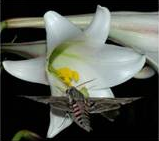
The hawk moth Agrius convolvuli pollinating the Taiwanese lily species Lilium formosanum. (Photo credit: Steve Johnson)

The role of self-pollination in plant invasion

Plants that can self-fertilise are more likely to become invasive than those that cannot and among invasive plants, those that can self-fertilise have invaded larger areas. While this is intuitive, it has not yet been shown that this is a causal relationship, as many introduced plants receive visits from pollinators in the novel range.

Comments Off on The role of self-pollination in plant invasion
Read more about the article Indicators for invasive species’ impact
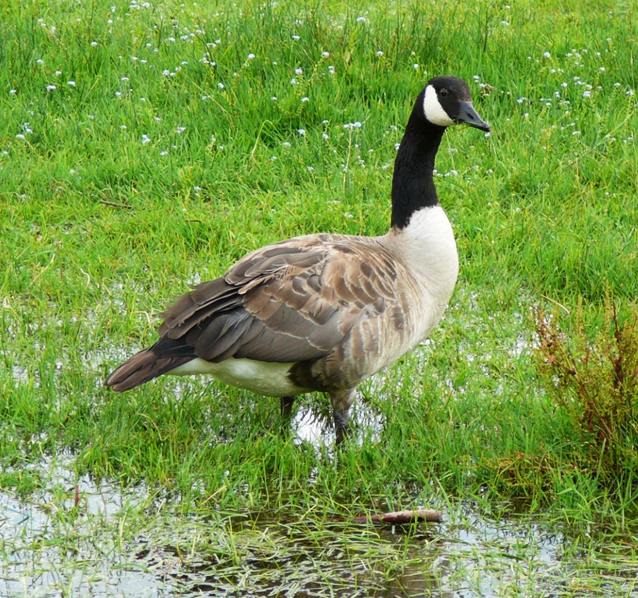
The highest impact invasive bird species in Europe is the Canada goose (Branta canadensis)

Indicators for invasive species’ impact

A central goal of invasion biology is to prevent or reduce the impacts of invaders on the environment, economy and society. One highly effective way to reduce invasive species impacts in a country is to prevent the introduction of harmful species in the first place.

Comments Off on Indicators for invasive species’ impact

Insights on invasions from down under

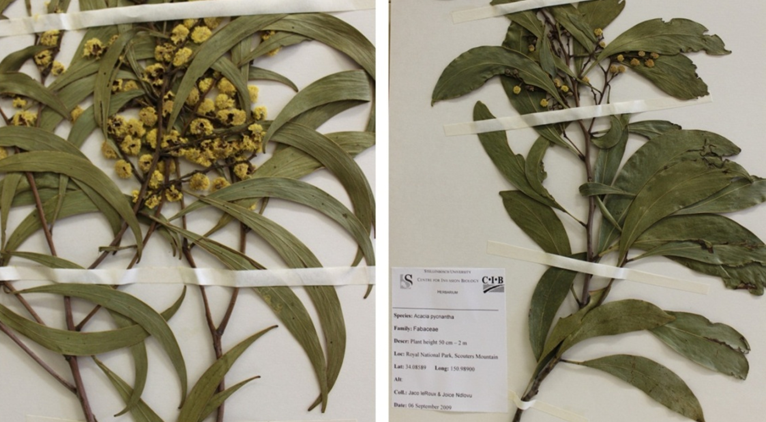
Invasive plants compete with native plants for important resources like water and nutrients, often outcompeting or even causing local extinction of indigenous plants. Australian acacias are one such group of plants in South Africa...

Comments Off on Insights on invasions from down under
Read more about the article C·I·B associate assist with reindeer eradication on Falkland Islands
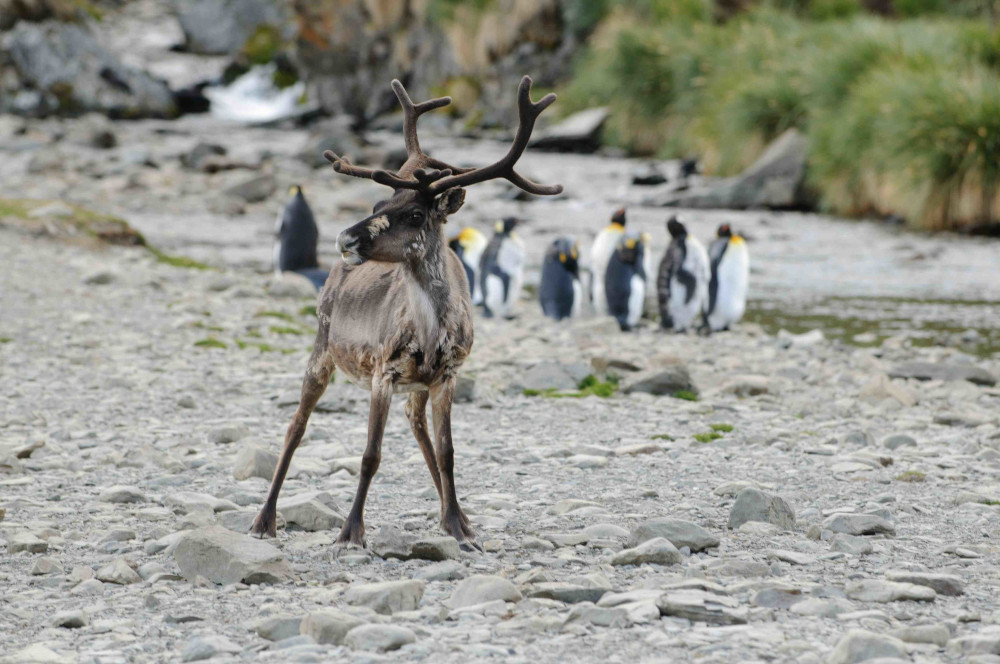
Reindeer with King Penguins in the background. Photo credits: Alastair Wilson

C·I·B associate assist with reindeer eradication on Falkland Islands

The island of South Georgia is a British oversees territory situated to the north of the Antarctic Peninsula. Despite being a wildlife heaven, human activities have had profound impacts on the flora and fauna of the island.

Comments Off on C·I·B associate assist with reindeer eradication on Falkland Islands
Read more about the article C·I·B represented at 11th Savanna Science Network Meeting
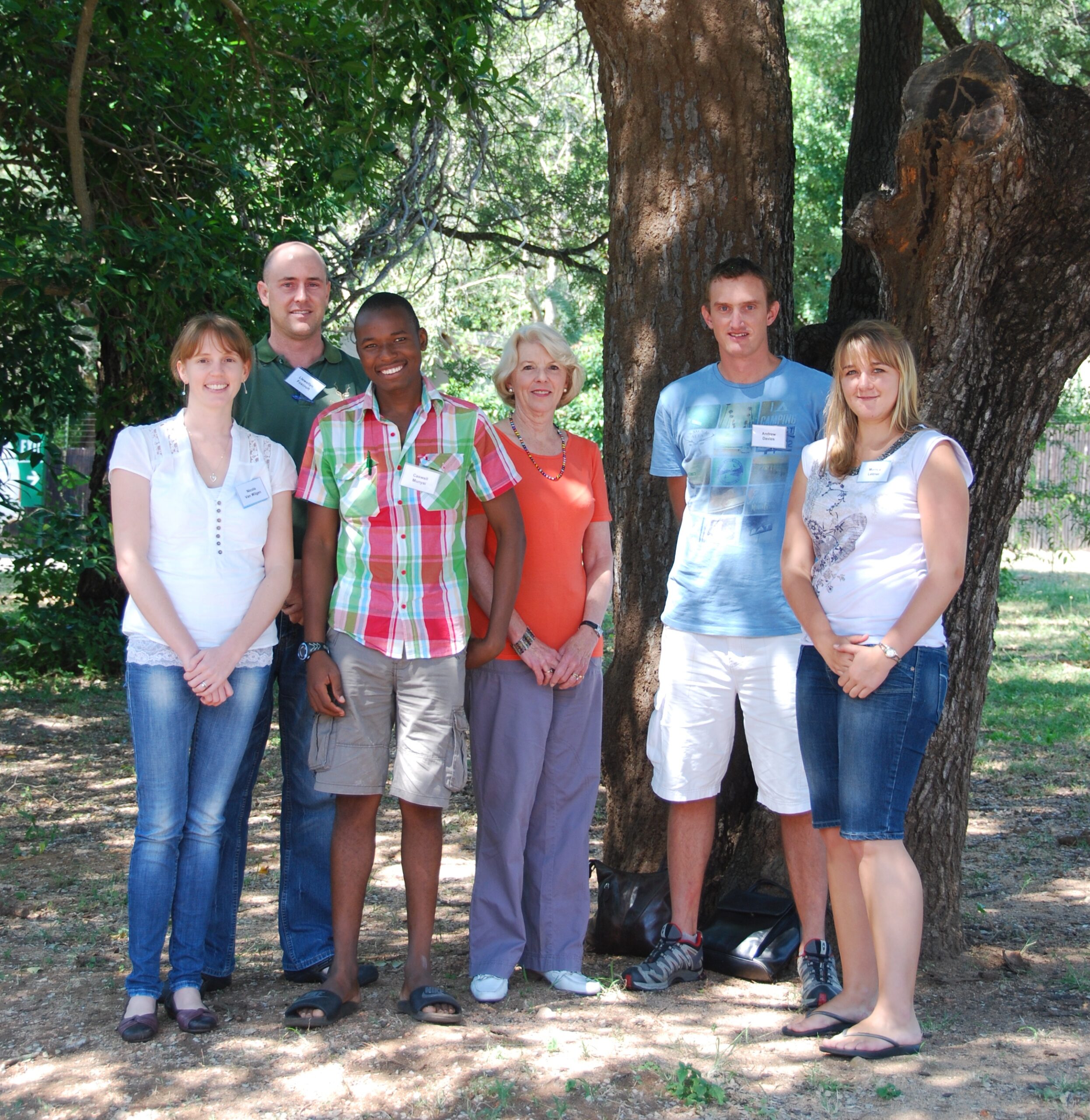
The C·I·B team at the 11th Savanna Science Network Meeting. From left to right: Nicola van Wilgen (SANPArks, C•I•B research associate), Llewellyn Foxcroft (SANParks), Caswell Munyai (UniVen), Jane Carruthers (UNISA), Andrew Davies (UP), Monica Leitner (UP).

C·I·B represented at 11th Savanna Science Network Meeting

The 11th Savanna Science Network Meeting was again held in Skukuza between 3 and 8 March 2013. Over the last decade, this has become one of the premier conservation and ecology conferences in South Africa, attracting many of the world’s most prominent savanna ecosystem scientists, and is supported by the Andrew W. Mellon Foundation.

Comments Off on C·I·B represented at 11th Savanna Science Network Meeting