Read more about the article Invasive plants are more phytochemically diverse than native counterparts
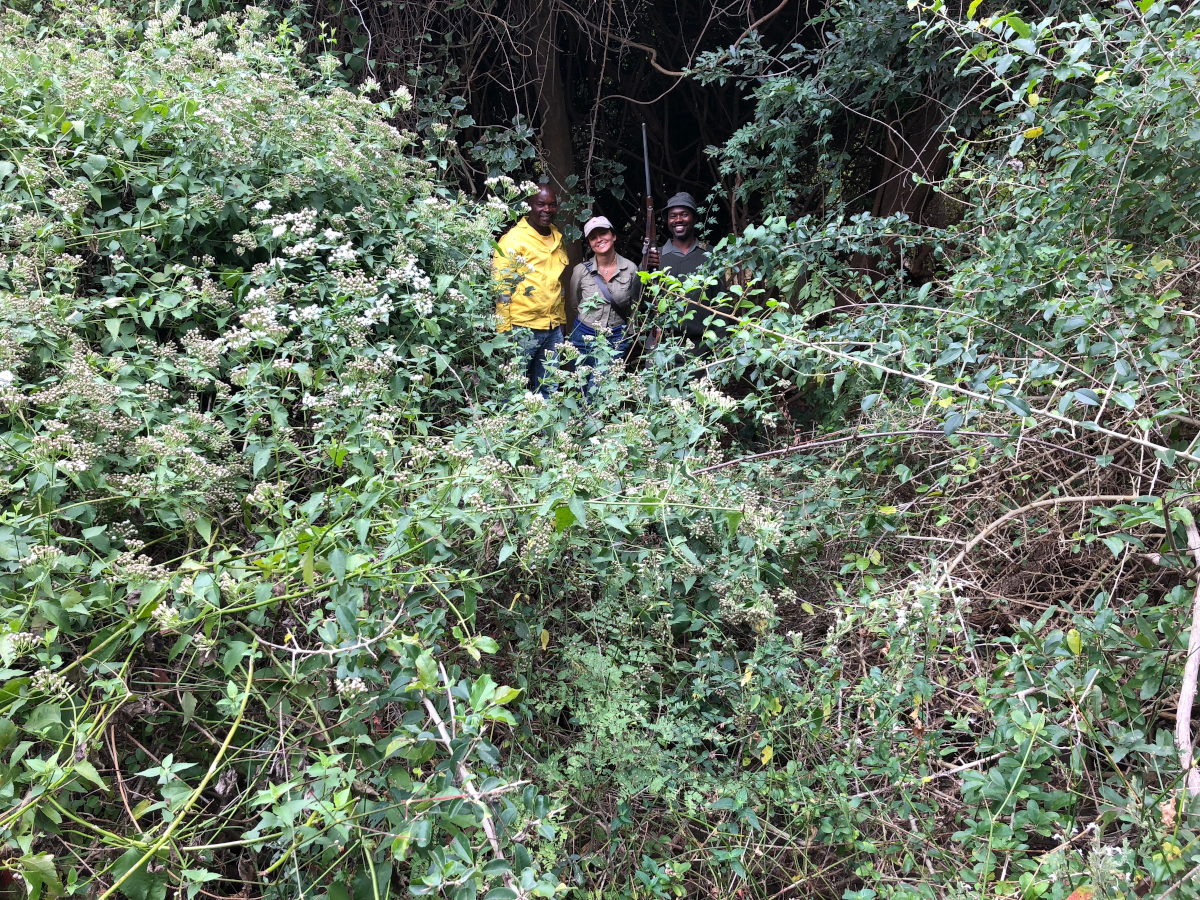
Triffid weed (Chromolaena odorata) - one of the invasive alien plants that pose severe ecological threats in the Kruger National Park, South Africa. (Photo credit: Llewellyn Foxcroft)

Invasive plants are more phytochemically diverse than native counterparts

When comparing three invasive alien plants (IAP) in South Africa to their native counterparts in the United States, a clear increase in phytochemical diversity in the invaded region was found, highlighting the role of secondary metabolites in plant invasions.

Comments Off on Invasive plants are more phytochemically diverse than native counterparts
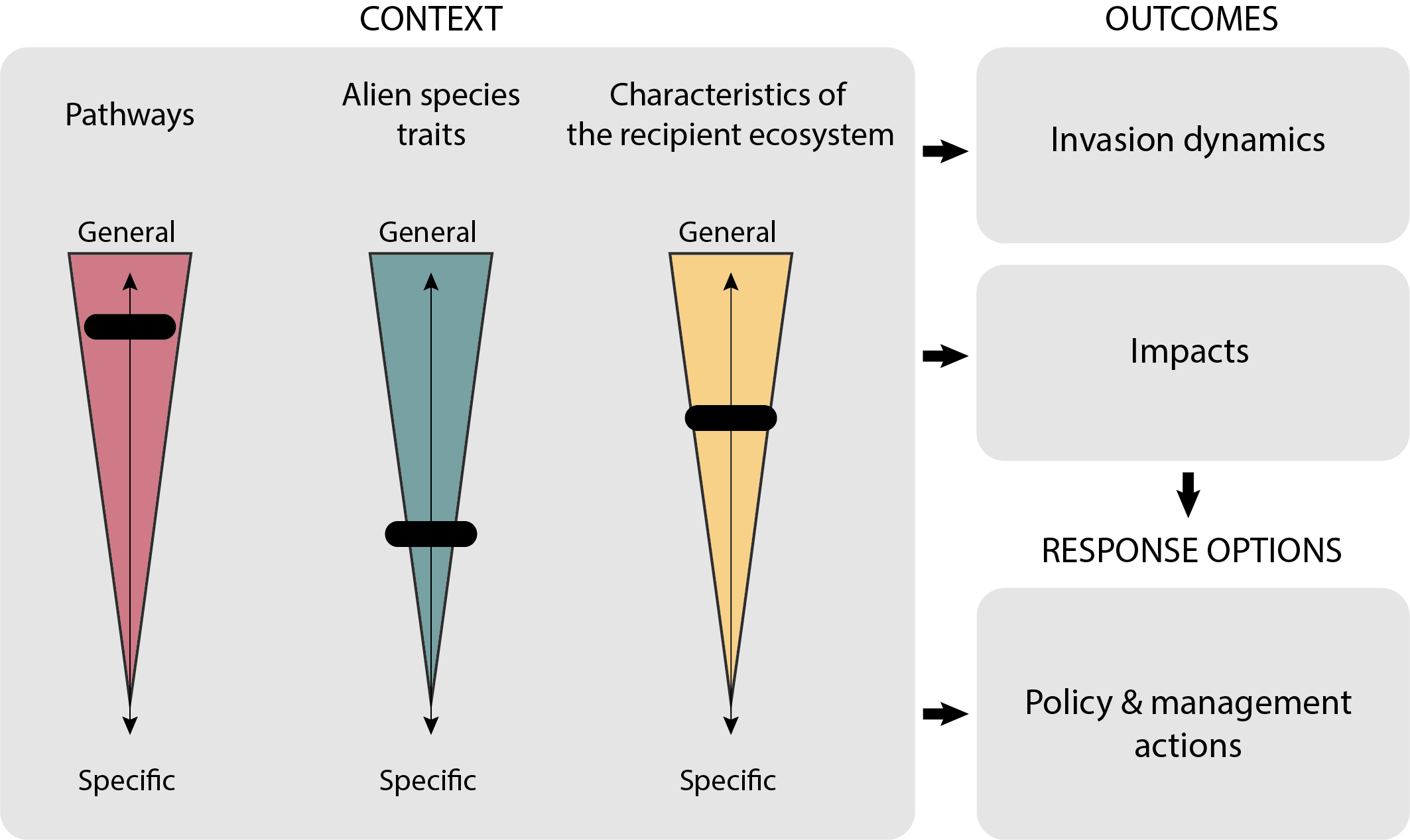
Read more about the article Identifying invasion syndromes to improve our capacity of understanding and managing biological invasions
Framework explaining the concept of invasion syndromes

Identifying invasion syndromes to improve our capacity of understanding and managing biological invasions

For decades, invasion scientists have been trying to identify generalisations that can allow us to understand which species will become invasive in the future, where and how they will be introduced, which impacts they will have in the invaded areas, and how we can efficiently manage them.

Comments Off on Identifying invasion syndromes to improve our capacity of understanding and managing biological invasions

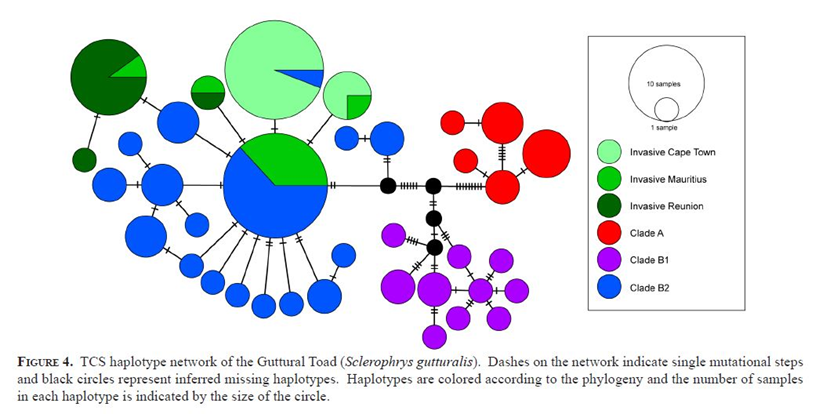
Where did the invasive Guttural Toads come from?

Guttural toads (Sclerophrys gutturalis) have been invasive in Mauritius and Reunion for nearly 100 years (since ~1922), and have been in Constantia (near Cape Town) for another 20 years, but where did those colonising toads come from?

Comments Off on Where did the invasive Guttural Toads come from?
Read more about the article One thing often leads to another: the case of secondary invasion
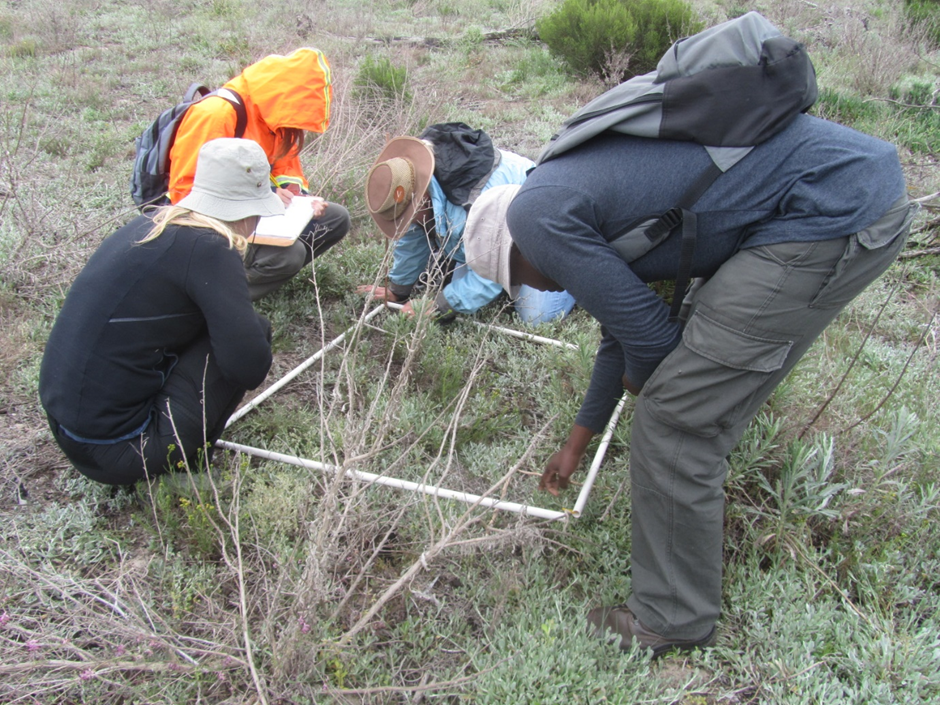
Measuring the species richness and cover of secondary invaders in the field (Photo credit: Mashudu Mashau)

One thing often leads to another: the case of secondary invasion

Clearing the invasive alien tree Port Jackson (Acacia saligna) doesn't necessarily lead to the recovery of native plant communities because secondary invaders may be dominant and persist up to three years after clearing at levels similar to, or higher than the first year after clearing.

Comments Off on One thing often leads to another: the case of secondary invasion
Read more about the article AC21 Postgraduate course: Invasions Science for society
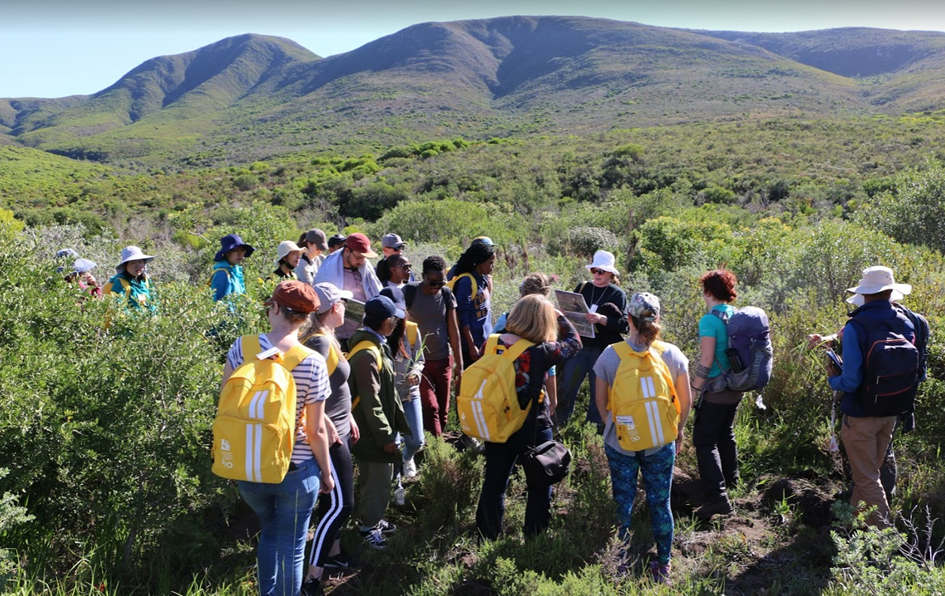
At a site of habitat restoration, AC21 students look at images of the site before it was restored 12 years ago, and learn about the need for continuing work

AC21 Postgraduate course: Invasions Science for society

Invasive species offer many important challenges to society. Their presence is intrinsically linked to human actions, but their impacts are felt across a wide range of environmental and socio-economic levels.

Comments Off on AC21 Postgraduate course: Invasions Science for society