Botanical gardens and biosecurity
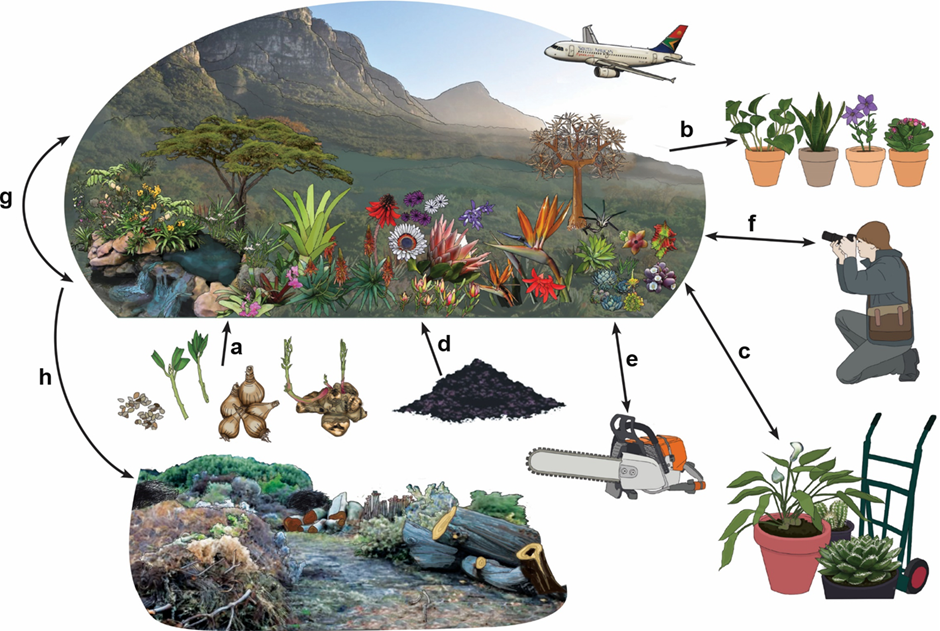
A recent paper, led by Dr Mesfin Gossa and published in Biodiversity and Conservation, reviews the value as well as the hazards associated with botanical gardens for biosecurity at a global scale.
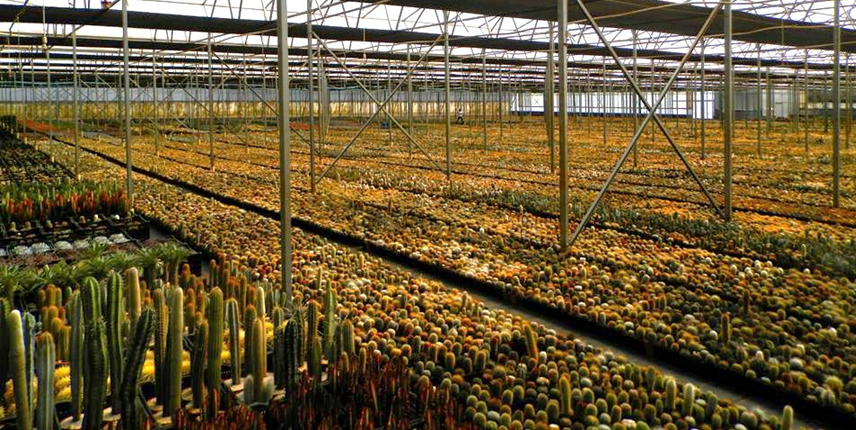
A recent study provides a large number of genome size estimates for species within the cactus family (Cactaceae), offering great opportunities for studying the evolution of genome size in this family. The study, which was published in Biological Invasions, has been carried out at the University of Coimbra (Portugal), with the collaboration of C·I·B Director David Richardson and former C·I·B post-doc Ana Novoa.
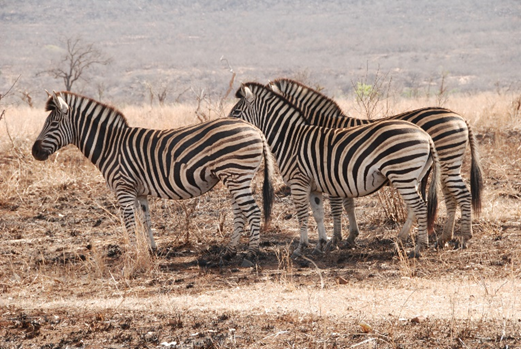
African herbivores respond differently to recently burnt environments, and these differences can be heavily dependent on body size. This was the finding from a recent literature review conducted by PhD student Willem Nieman and Dr Alison Leslie (Department of Conservation Ecology and Entomology, Stellenbosch University), Prof. Brian van Wilgen (C∙I∙B Core Team Member) and Dr Frans Radloff (Department of Conservation and Marine Science, Cape Peninsula University of Technology) in which they describe the responses of medium- to large-sized African mammals to fire.
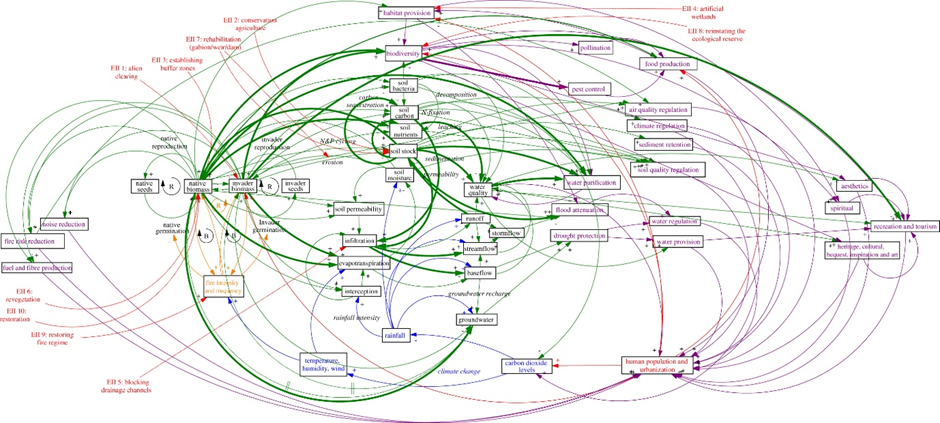
In a study of three South African river catchments (the Berg, Breede and uMngeni) that have received significant investment into ecological infrastructure (e.g. clearing invasive alien trees), the evidence base for the benefits of these investments was found to be empirically weak.
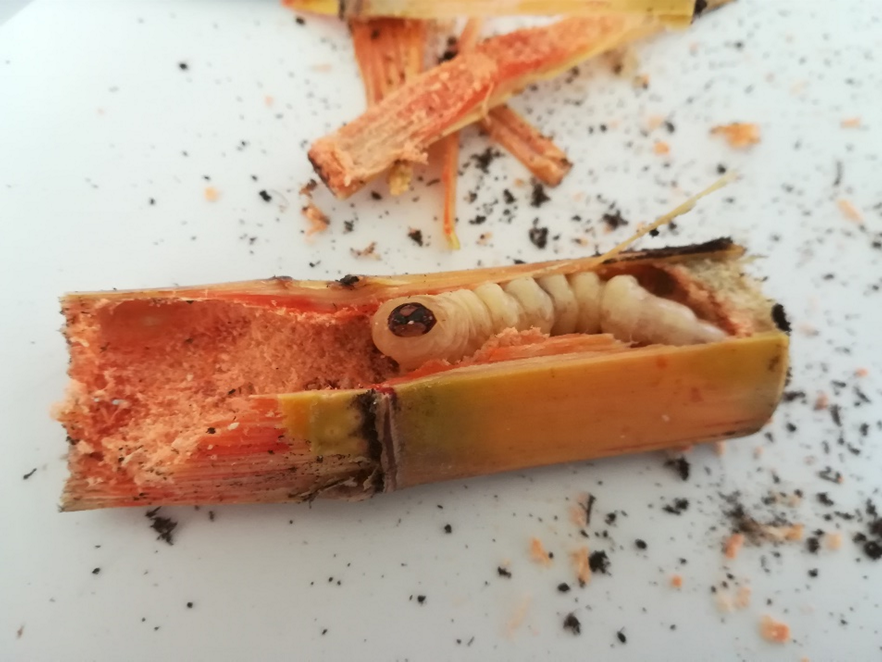
Identifying agricultural crop pests quickly and reliably is critical to track their spread and to apply suitable control measures where needed. However, the identification of insect pests is often hampered by the lack of taxonomic expertise, especially in complex and poorly known tropical groups. DNA barcoding is often used as a supporting tool to identify species in the context of invertebrate pest management but relies on comprehensive and well-curated molecular databases.